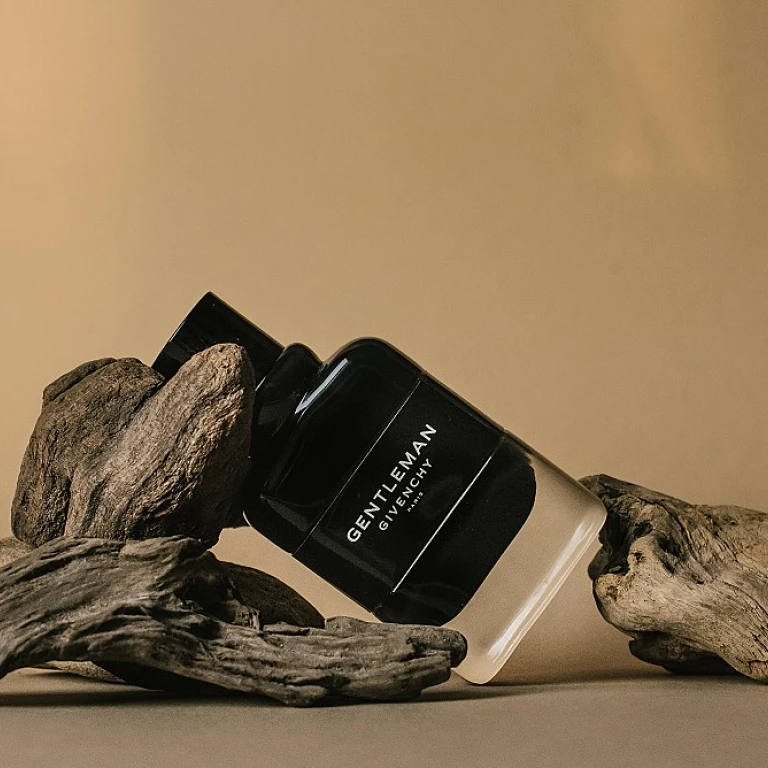

Why perfume bottle measurements matter
The importance of understanding perfume bottle sizes
For fragrance lovers, the size of a perfume bottle is more than just a number on a label. It shapes how you experience your scent, how long your signature fragrance lasts, and even how you display or travel with your collection. Brands offer bottles in a range of sizes, from tiny vials for sampling to large, luxurious glass bottles meant for long-term enjoyment. Knowing the differences between these sizes helps you make the best choice for your needs and lifestyle.
- Usage and longevity: A larger bottle might seem like the best value, but if you enjoy switching perfumes or have a growing collection, a medium sized or smaller bottle could be more practical. Smaller bottles are also ideal for travel or for trying out a new scent without a big commitment.
- Packaging and design: The design of a bottle can affect how much fragrance it holds and how many sprays you get. Some glass bottles are thick and heavy, making them feel substantial, but the actual fill might be less than you expect. Understanding the difference between fluid ounces and milliliters fluid is key to comparing bottle sizes across brands.
- Display and storage: The size and shape of your bottles will influence how you store and showcase your collection. Larger bottles can be statement pieces, while smaller bottles or travel sizes are easier to organize and protect from light and heat.
Whether you’re choosing perfume for daily wear, special occasions, or travel, understanding bottle size is essential. It’s not just about the amount of fragrance you get, but also about how the bottle fits into your lifestyle and collection. For those who appreciate the artistry of fragrance packaging, exploring the timeless elegance of crystal scent bottles can offer inspiration for both collecting and displaying your favorite scents.
Common perfume bottle sizes and their uses
Exploring the Range of Perfume Bottle Sizes
When it comes to perfume, the size of the bottle is more than just a matter of aesthetics. Perfume bottles are available in a wide variety of sizes, each serving different needs and preferences. Understanding these options can help you make the best choice for your fragrance collection, daily use, or travel plans.
- Miniature bottles (5-15 ml): These smaller bottles are perfect for sampling a new scent or carrying your signature fragrance in your bag. They are also ideal for travel, as they comply with most airline liquid restrictions.
- Standard sizes (30 ml, 50 ml, 100 ml): The most common perfume bottle sizes fall within this range. A 30 ml bottle is great for those who like to switch scents often, while 50 ml and 100 ml bottles are popular choices for daily wear and for those who have found their signature scent.
- Larger bottles (150 ml and above): Larger bottles are often chosen by enthusiasts or those who want to invest in a big perfume for long-term use. They can be more economical per milliliter, but require careful storage to preserve the fragrance quality.
Perfume sizes are typically labeled in both ounces and milliliters, with 1 fluid ounce equaling approximately 30 milliliters. Brands may offer unique packaging, such as refillable glass bottles or limited edition designs, which can influence your choice. Medium sized bottles strike a balance between portability and value, making them a popular option for many perfume lovers.
When choosing perfume, consider how often you wear the scent, how many sprays you use per application, and whether you prefer to display your bottles or keep them tucked away. If you enjoy expressing your style through your collection, custom cologne bottles can add a personal touch to your display. For more inspiration on how to showcase your fragrance, explore how to express your style with custom cologne bottles.
Ultimately, the best perfume bottle size for you will depend on your lifestyle, fragrance habits, and the way you like to experience scent. Whether you opt for smaller bottles for travel or larger bottles for your favorite perfumes, understanding the options will help you build a collection that fits your needs.
How to read and interpret perfume bottle labels
Decoding Perfume Bottle Labels: What the Numbers and Terms Mean
When you pick up a new bottle of perfume, the label can seem packed with numbers and terms. Understanding these details is essential for making the best choice, whether you’re shopping for your signature scent or selecting a travel-friendly option. Let’s break down what you’ll find on most perfume bottles and how it impacts your fragrance experience.
- Volume: The most prominent number on a perfume bottle is usually the volume, expressed in milliliters (ml) or fluid ounces (fl oz). Common perfume sizes include 30 ml (1 fl oz), 50 ml (1.7 fl oz), and 100 ml (3.4 fl oz). Larger bottles are ideal for daily wear, while smaller bottles or travel sizes are perfect for sampling or carrying in your bag.
- Concentration: Terms like "Eau de Parfum," "Eau de Toilette," and "Parfum" indicate the concentration of fragrance oils. Higher concentrations generally mean a stronger, longer-lasting scent, but also a higher price point and sometimes a different bottle size. Brands often use distinct packaging to differentiate these concentrations.
- Sprays and Application: Labels may specify if the bottle is a spray or splash. Sprays offer controlled application and are common in both large and medium sized bottles. Splash bottles, often found in vintage or niche perfumes, require more careful handling to avoid over-application.
- Batch Codes and Ingredients: Authentic perfume bottles will include a batch code and a list of ingredients. The batch code helps verify the product’s authenticity and freshness, while the ingredients list is crucial for those with sensitivities.
Some brands use unique glass bottles or creative packaging, which can make the actual fill level appear different from the stated size. Always check the label for the precise milliliters fluid or fluid ounce measurement, especially when comparing large and small bottles. This is particularly important if you’re choosing perfume for travel or building a collection with a variety of bottle sizes.
For those interested in the artistry behind fragrance, understanding how to read a perfume bottle label is just the beginning. To dive deeper into how scents are crafted and blended, explore the art of blending scents and discover what makes each bottle unique.
The impact of bottle design on measurements
The Role of Shape and Material in Accurate Measurement
When it comes to perfume bottles, the design goes far beyond aesthetics. The shape and material of a bottle can directly influence how you perceive and use your fragrance. Glass bottles are the industry standard, offering durability and clarity for showcasing the scent inside. However, not all glass bottles are created equal—some are thick and heavy, while others are thin and delicate. This can make a medium sized bottle appear larger or smaller than its actual capacity in fluid ounces or milliliters.
How Sprayer Mechanisms Affect Usage
The type of sprayer or atomizer installed on a perfume bottle also impacts how much fragrance is dispensed with each spray. Some brands opt for a fine mist, which uses less perfume per spray, while others deliver a more generous burst. This means that two bottles of the same size may last for different durations, depending on the sprayer design. If you’re choosing perfume for daily use, consider how the spray mechanism aligns with your scent preferences and usage habits.
Packaging Choices and Perceived Value
Packaging plays a significant role in how we judge bottle sizes. Larger bottles often come in more elaborate packaging, which can make them seem even bigger than their actual volume. On the other hand, smaller bottles or travel sizes are designed for convenience, but may look deceptively tiny next to their larger counterparts. Brands use these visual cues to influence your choice, so it’s important to check the actual size in ounces or milliliters fluid before making a purchase.
- Large bottles: Often chosen for signature scent lovers or collectors, but can be heavy and less practical for travel.
- Smaller bottles: Ideal for sampling new perfumes or carrying in a bag, but may offer less value per ounce.
- Medium sized bottles: A balanced choice for most users, offering enough fragrance without being cumbersome.
Design Trends and Brand Identity
Perfume bottle design is also a reflection of brand identity. Some brands favor minimalist, sleek glass bottles, while others opt for ornate shapes and bold colors. These choices can affect how easy it is to store, display, or refill your bottle. For collectors, the design may be just as important as the scent itself. Always consider both the functional and aesthetic aspects of bottle design when selecting your next fragrance.
Traveling with perfume: choosing the right size
Smart Choices for Perfume on the Go
Traveling with your favorite fragrance can be a challenge, especially when considering bottle sizes, packaging, and airline regulations. The right perfume bottle size not only ensures you stay within travel guidelines but also keeps your signature scent fresh and safe. Here’s what fragrance lovers need to know about choosing perfume for travel:
- Check Airline Rules: Most airlines allow liquids in containers of up to 100 milliliters (about 3.4 fluid ounces) in carry-on luggage. Larger bottles should be packed in checked baggage or left at home.
- Opt for Smaller Bottles: Miniature bottles, travel sprays, or decants are ideal for trips. These smaller bottles are less likely to break and are easy to refill from larger bottles at home.
- Consider Packaging: Glass bottles look elegant but can be fragile. For travel, plastic atomizers or sturdy glass bottles with secure caps are safer choices. Some brands offer travel-exclusive packaging designed for durability and convenience.
- Plan for Your Needs: Think about how long you’ll be away and how often you’ll use your scent. A 10 to 30 milliliter size perfume is usually enough for a week or two, while a medium sized bottle (50 milliliters) might suit longer journeys.
- Protect Your Fragrance: Keep your bottle in a padded pouch or wrapped in clothing to prevent breakage. Avoid exposing your perfume to extreme temperatures, which can alter the scent.
Choosing the best perfume bottle for travel is about balancing size, convenience, and the desire to carry your favorite scent wherever you go. Whether you prefer a big perfume bottle for extended trips or a small, refillable atomizer for daily touch-ups, understanding bottle sizes and packaging options will help you make the right choice. This attention to detail not only preserves your fragrance but also enhances your overall travel experience.
Storing and displaying your perfume collection
Organizing Your Perfume Collection for Longevity
Proper storage and display of your perfume bottles can make a significant difference in preserving the quality and longevity of your favorite scents. Whether you own a few signature fragrances or a diverse collection of bottles in various sizes, how you store and showcase them matters. The right approach helps maintain the integrity of the fragrance, prevents unnecessary waste, and enhances your daily experience with each spray.
Key Storage Tips for All Bottle Sizes
- Keep bottles away from direct sunlight: Light can degrade the scent and alter the color of perfumes, especially in clear glass bottles. Store your collection in a cool, shaded area to help preserve the original fragrance profile.
- Maintain a stable temperature: Fluctuations in temperature can cause the liquid inside to expand and contract, potentially damaging the packaging and affecting the scent. Aim for a consistent, moderate climate, avoiding places like bathrooms where humidity and heat can be high.
- Store upright: Most perfume bottles are designed to stand upright. This prevents leaks and minimizes the risk of evaporation, especially for larger bottles or those with intricate packaging.
- Limit air exposure: Always ensure the cap is tightly closed after each use. This simple habit helps prevent oxidation, which can alter the scent and reduce the lifespan of your perfumes.
Displaying Your Collection: Balancing Beauty and Practicality
Displaying your perfumes can be a joy, especially if you appreciate the artistry of bottle design and packaging. However, it’s important to balance aesthetics with preservation. Consider using shelves or trays in a bedroom or dressing area, away from windows and heat sources. For collectors with a mix of smaller bottles, medium sized, and larger bottles, grouping by size or brand can create a visually appealing and organized display.
| Bottle Size | Best Storage Method | Display Tip |
|---|---|---|
| Smaller bottles (5-30 ml / 0.17-1 fluid ounce) | Keep in a drawer or box to minimize light exposure | Arrange in a decorative tray for easy access |
| Medium sized bottles (30-75 ml / 1-2.5 fluid ounces) | Store upright on a shelf, away from heat | Group by scent family or brand for a cohesive look |
| Larger bottles (75 ml+ / 2.5+ fluid ounces) | Display on lower shelves to prevent falls | Highlight unique glass bottles as statement pieces |
Preserving Your Signature Scent
Whether you prefer to fill your space with a big perfume bottle or keep a selection of smaller bottles for travel, thoughtful storage ensures every spray delivers the intended scent. Brands often design packaging to protect the fragrance, but your own storage habits play a crucial role. By following these guidelines, you’ll enjoy the best from your perfume collection, no matter the bottle size or style.