
What sets perfume oil apart from eau de parfum
Core Composition: Oil Versus Alcohol-Based Fragrances
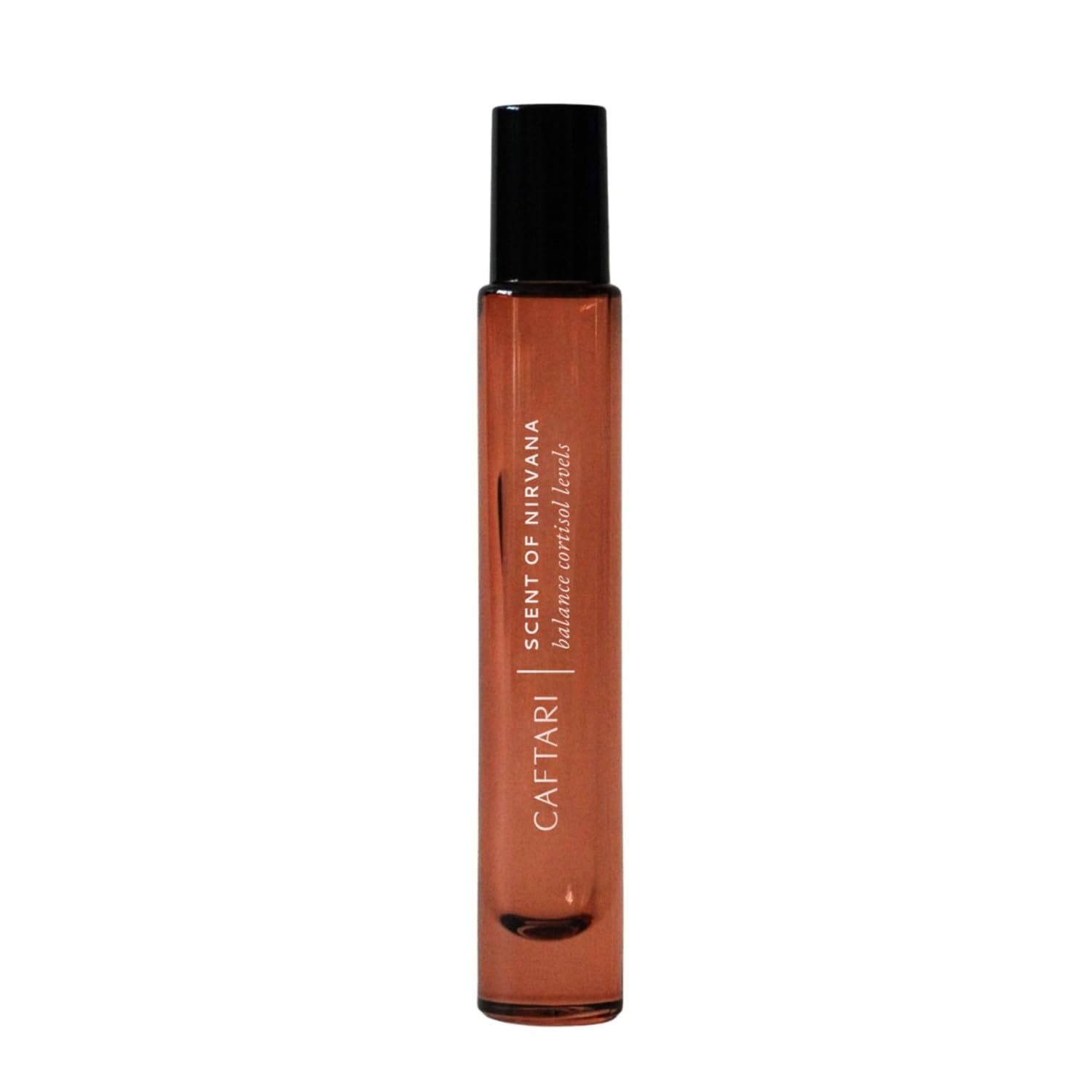
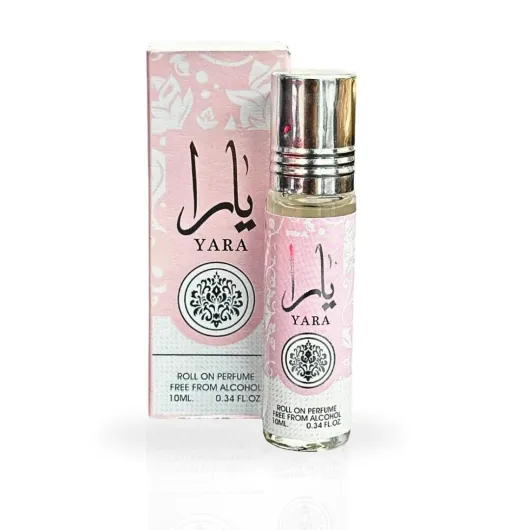
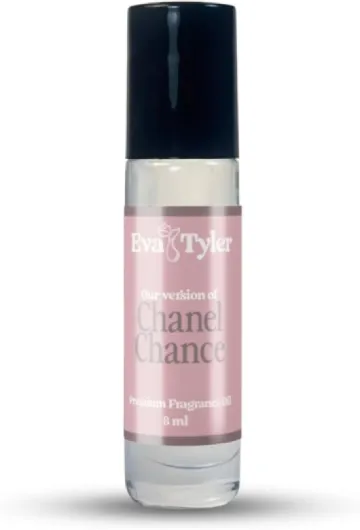
When exploring the world of fragrance, one of the first distinctions enthusiasts encounter is between perfume oil and eau de parfum (EDP). The difference lies primarily in their composition. Perfume oils are typically made by blending essential oils or fragrance oils with a neutral carrier oil, resulting in an oil-based formula. In contrast, eau de parfum contains a blend of aromatic compounds dissolved in a mixture of alcohol and water. This fundamental difference in base ingredients impacts not only the scent experience but also how the fragrance interacts with your skin chemistry.
Concentration and Lasting Power
Perfume oils usually have a higher concentration of fragrance compared to most spray perfumes, including EDP. This means that, drop for drop, perfume oils deliver a more intense scent. Eau de parfum, while also highly concentrated, is diluted with alcohol, which can influence both the lasting fragrance and how the scent develops over time. The concentration level is a key factor in the difference perfume lovers notice when comparing these two formats.
Price and Value Considerations
Another aspect that sets these formats apart is price. Perfume oils are often sold in smaller bottles and may seem more expensive per milliliter, but their higher concentration means you need less product per application. Eau de parfum, typically available in larger spray bottles, offers a different value proposition, especially for those who prefer to shop for fragrances that can fill a room with their sillage and projection.
Format and Personal Preference
Choosing between perfume oil and eau de parfum often comes down to personal preference and lifestyle. Some people enjoy the ritual of applying an oil directly to the skin, appreciating its subtlety and intimacy. Others prefer the convenience and diffusion of a spray perfume. Each format offers unique benefits, which we will explore further in terms of lasting power, application techniques, and suitability for sensitive skin.
For a deeper dive into the structure and artistry behind these fragrance types, explore the layers of the perfume iceberg and discover how each element contributes to your scent experience.

How scent longevity varies between perfume oil and eau de parfum
How Long Does Each Format Last on Skin?
When comparing perfume oil and eau de parfum, one of the most important factors for fragrance lovers is how long the scent will last on the skin. The difference in longevity comes down to the concentration of fragrance oils and the presence of alcohol or water in the formula.
- Perfume oils are typically more concentrated, containing a higher percentage of essential oils and fragrance oils. Because they are oil based, they adhere closely to the skin and release their scent gradually. This makes them a popular choice for those seeking a longer lasting fragrance experience.
- Eau de parfum (EDP) contains a blend of alcohol, water, and fragrance oil. While EDPs are known for their strong projection and sillage, the alcohol content can cause the scent to evaporate more quickly compared to oil based perfumes. However, EDPs still offer a longer lasting scent than lighter formats like eau de toilette.
Skin chemistry also plays a crucial role in how long a fragrance lasts. Oily skin tends to hold onto perfume oils and EDPs longer, while dry or sensitive skin may experience faster evaporation. For those with sensitive skin, perfume oils are often preferred, as they are less likely to cause irritation due to the absence of alcohol.
Price and concentration are also factors to consider. Perfume oils, with their higher concentration fragrance, can seem more expensive upfront, but their lasting power often means you use less product over time. EDPs, while sometimes more affordable, may require reapplication throughout the day to maintain their presence.
For those interested in exploring how to personalize their fragrance wardrobe for maximum longevity and impact, consider reading about crafting the perfect scented gift for more insights into choosing the right format for your needs.
Ultimately, whether you choose perfume oil or eau de parfum depends on your personal preferences, skin type, and how long you want your fragrance to last. Both formats have their unique strengths, and understanding these differences can help you shop smarter and fill your collection with lasting fragrances that suit your style.
Application techniques for perfume oil and eau de parfum
How to Apply for Maximum Effect
When it comes to applying perfume oil and eau de parfum, the approach can make a real difference in how your fragrance develops and lasts on your skin. Both formats have unique characteristics due to their concentration, base ingredients, and how they interact with your skin chemistry.
- Perfume oils are typically dabbed or rolled onto pulse points. Because they are oil based and contain little to no alcohol, they sit closer to the skin and release their scent gradually. Apply a small amount to warm areas like the wrists, inside elbows, or behind the ears. This method helps the fragrance oil blend with your natural oils, creating a longer lasting and more personal scent experience.
- Eau de parfum (EDP) is usually sprayed. The alcohol and water base allows for a fine mist that covers a larger area. Spraying EDP on pulse points, hair, or even clothing can enhance projection and sillage. However, spraying directly on sensitive skin may cause irritation for some, especially if you have sensitive skin or allergies to certain ingredients.
One key difference perfume lovers notice is that perfume oils tend to be more intimate, while EDPs offer more noticeable projection. If you want a fragrance that lingers subtly, oil based perfumes are a great choice. For a more pronounced presence, spray perfumes like eau de parfum or even eau de toilette will fill the air around you more effectively.
Remember, the lasting fragrance of both types depends on the concentration fragrance, your skin type, and even the climate. If you’re curious about how storage affects your scent, check out this guide on what happens if you leave a cologne bottle open. Proper storage can help preserve the quality and lasting power of your favorite fragrances.
Whether you choose perfume oils for their essential oil richness or prefer the classic spray of an eau parfum, experimenting with application techniques will help you get the most from your fragrance wardrobe. Adjusting how and where you apply can reveal new facets of your favorite perfumes and ensure a longer lasting, more enjoyable scent experience.
Sillage and projection: what to expect
Scent Trail and Presence: Comparing Oil and Eau Formats
When it comes to sillage and projection, the difference between perfume oil and eau de parfum (edp) is quite noticeable. Sillage refers to the scent trail left behind as you move, while projection is about how far your fragrance radiates from your skin. Both are key factors for those who want their fragrance to be noticed—or prefer it to stay close. Perfume oils, with their high concentration of essential oils and absence of alcohol, tend to sit closer to the skin. Their scent is intimate, making them ideal for personal enjoyment or for those with sensitive skin. The oil-based format means the fragrance oil doesn’t evaporate quickly, so the scent lingers longer on your skin, but it won’t fill a room. This subtlety is perfect if you prefer a long lasting, personal fragrance experience. Eau de parfum, on the other hand, contains a mix of alcohol and water, which helps the scent project further. The alcohol in edp allows the fragrance to diffuse into the air, creating a more noticeable sillage. Spray perfumes like eau de parfum are designed to make a statement, and their projection is often stronger, especially in the first few hours after application. If you want your fragrance to be noticed by others, edp is usually the better choice. Here’s a quick comparison for clarity:| Format | Sillage | Projection | Best For |
|---|---|---|---|
| Perfume Oil | Soft, close to skin | Low | Personal use, sensitive skin, longer lasting scent |
| Eau de Parfum | Moderate to strong | High | Making an impression, noticeable fragrance, layering |
Skin sensitivity and personal preferences
How Your Skin and Preferences Influence Fragrance Choice
When it comes to choosing between perfume oil and eau de parfum, your skin chemistry and personal preferences play a crucial role. The way a fragrance interacts with your skin can dramatically change how it smells, how long it lasts, and even how comfortable it feels throughout the day.
- Sensitive Skin: If you have sensitive skin, perfume oils or oil-based fragrances might be a better fit. These typically contain fewer irritants because they lack the high alcohol content found in many spray perfumes like eau de parfum or eau de toilette. Alcohol and water in traditional perfumes can sometimes cause dryness or irritation, especially for those with delicate skin.
- Allergies and Reactions: Fragrance oils and essential oils are often less likely to trigger allergies, but always check the ingredient list. Some essential oils can still cause reactions, so patch testing is recommended before committing to a new scent.
- Personal Preference: The choice between oil and eau formats often comes down to how you like your fragrance to perform. If you prefer a long lasting, close-to-skin scent, perfume oils or oil edp might suit you. For those who enjoy a more pronounced sillage and projection, eau de parfum or spray perfumes deliver a noticeable trail.
- Concentration and Lasting Power: Perfume oils generally have a higher concentration of fragrance, making them longer lasting on the skin. Eau parfum, while still concentrated, may evaporate faster due to its alcohol base, but offers a lighter feel and easier reapplication.
- Price and Value: The difference in price between perfume oil and eau de parfum can be significant. Oils often come in smaller bottles but are highly concentrated, so a little goes a long way. Eau de parfum is usually more affordable per milliliter, but you may use more product per application.
Ultimately, your skin type, sensitivity, and personal taste will guide you toward the right format for your fragrance wardrobe. Whether you shop for oil-based perfumes, fragrance oils, or classic eau de parfum, understanding these factors will help you fill your collection with scents that truly suit you.
Choosing the right format for your fragrance wardrobe
Finding Your Ideal Fragrance Format
When building a fragrance wardrobe, understanding the difference perfume formats make is essential. The choice between perfume oil and eau de parfum (EDP) can shape your daily scent experience, influence how long your fragrance lasts, and even affect your skin's comfort.
- Concentration and Lasting Power: Perfume oils and oil-based fragrances typically offer a higher concentration fragrance than eau parfum or eau toilette. This means they are often more long lasting on the skin, especially if you have dry or sensitive skin that tends to absorb scent quickly.
- Alcohol Content: Eau de parfum contains a blend of alcohol water and fragrance oils, which can create a stronger initial projection but may not be ideal for those with sensitive skin. Perfume oils and essential oils are generally gentler, making them a good choice for those who react to alcohol-based sprays.
- Application Style: If you prefer a discreet, close-to-skin scent, perfume oil or fragrance oil is a great fit. For those who love a more noticeable sillage and projection, spray perfumes like eau de parfum or perfume eau are often preferred.
- Price and Value: Perfume oils can be more cost-effective due to their higher concentration and longer lasting nature. However, EDP offers the classic experience of a fine mist and the ritual of spraying, which some fragrance lovers cherish.
- Skin Chemistry: Your unique skin chemistry will interact differently with oil edp, fragrance oils, and alcohol-based perfumes. Testing both formats on your skin before you shop can help you find the most lasting fragrance for your needs.
Ultimately, the right format depends on your lifestyle, skin type, and personal scent preferences. Some fragrance enthusiasts fill their collection with both perfume oils and eau de parfum to enjoy the best of both worlds. Whether you seek the intensity of essential oils or the classic allure of eau parfum, your fragrance wardrobe can be as versatile as your mood and occasion.