

Origins and extraction of neroli
From Bitter Orange Blossoms to Precious Oil
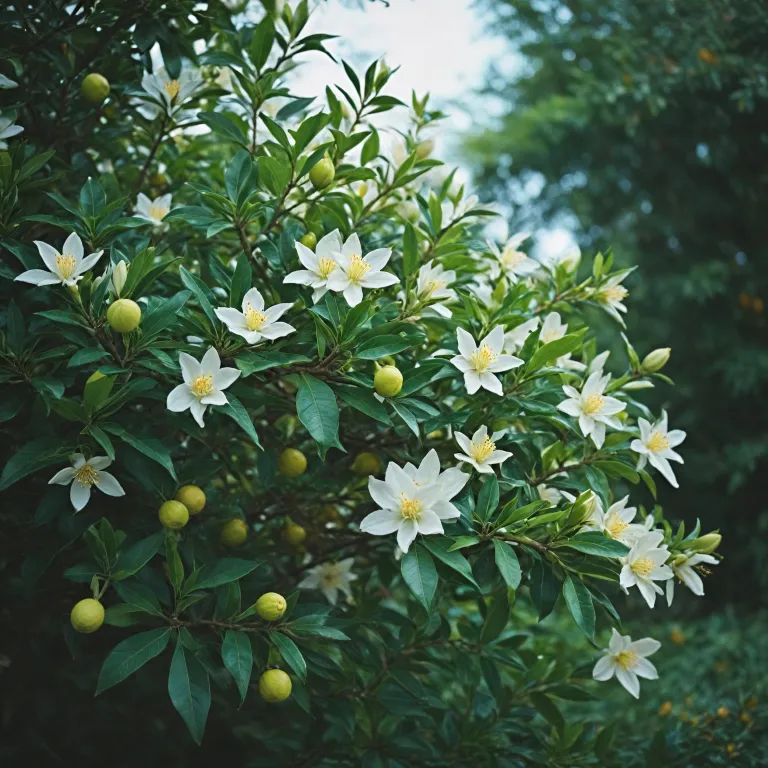
Neroli is a fragrance note with a story rooted in the sun-drenched groves of the Mediterranean. The essential oil known as neroli is extracted from the delicate white blossoms of the bitter orange tree (Citrus aurantium). These blossoms, sometimes called orange blossoms, are handpicked in spring when their scent is at its peak. The extraction process is meticulous, often involving steam distillation to capture the purest neroli oil. This method preserves the fresh, green, and slightly bitter citrus character that defines neroli’s unique scent profile.
What makes neroli essential oil stand out among other citrus notes is its balance of floral and green facets. While the orange tree also gives us orange blossom absolute—a richer, more indolic material—neroli oil is prized for its lighter, fresher, and more sparkling aroma. The difference in extraction methods and the part of the blossom used result in distinct olfactory experiences, which you’ll notice when comparing neroli to other orange blossom notes in fragrances.
Today, neroli is a sought-after ingredient in both classic and modern perfumery. Its fresh, luminous scent is often used as a top note, bringing a burst of brightness to eau de parfum and other fragrance compositions. The essential oil is also valued in aromatherapy for its uplifting qualities, making it a favorite among those who appreciate natural essential oils and botanical scents.
For fragrance lovers interested in exploring rare and refined uses of neroli, the Atelier Cologne Rare Collection offers a fascinating look at how this note can be elevated in modern perfumery. Whether you are drawn to neroli for its fresh, citrusy brightness or its subtle floral complexity, understanding its origins and extraction is the first step in appreciating what neroli brings to the world of fragrance.
The scent profile of neroli
What Does Neroli Smell Like ?
Neroli essential oil is prized for its unique scent, which is both fresh and complex. When you first encounter neroli, you notice a luminous, sparkling citrus note reminiscent of the bitter orange tree from which it is derived. But neroli is not just about citrus. Its aroma unfolds with delicate white blossoms, offering a soft, floral heart that feels both clean and slightly green. This makes neroli stand out among other orange blossom notes, as it balances the bitterness of the orange with a gentle sweetness and a subtle, almost soapy freshness.
Key Characteristics of Neroli's Scent
- Citrus: A bright, zesty opening, thanks to the bitter orange fruit and its essential oils.
- Floral: A soft, powdery floral character, evoking the scent of fresh white blossoms.
- Green: A hint of leafy, green undertones that add a natural, dewy quality.
- Bitter: A subtle bitterness, distinguishing neroli from sweeter orange blossom absolute.
- Fresh: An overall clean and uplifting impression, making it a favorite top note in many fragrances.
Neroli in the Fragrance Pyramid
Neroli oil is most often used as a top note in perfumery. Its fresh and volatile nature means it is one of the first scents you notice when you spray an eau de parfum. This initial burst of neroli can be compared to other citrus notes like bergamot, but neroli brings a softer, more floral nuance. As the fragrance develops, neroli's green and bitter facets linger, giving depth and complexity to the composition.
How Neroli Differs from Other Orange Blossom Notes
While both neroli and orange blossom absolute come from the blossoms of the bitter orange tree, their scents are distinct. Neroli essential oil is lighter, fresher, and more citrusy, while orange blossom absolute is richer, sweeter, and more indolic. This difference is due to the extraction method and the part of the blossom used. Neroli's fresh, green, and slightly bitter profile makes it a versatile choice for both men’s and women’s fragrances.
Discover More on Scent Complexity
If you are fascinated by the multi-layered nature of fragrance notes, you may also enjoy learning about the allure of oud scent in perfumery, another ingredient known for its depth and complexity.
How neroli is used in perfumery
How perfumers use neroli in fragrance creation
Neroli is a cherished ingredient in perfumery, valued for its fresh, floral, and slightly bitter citrus scent. Extracted from the delicate white blossoms of the bitter orange tree, neroli oil is often used as a top note in many fragrances. Its uplifting aroma brings a sparkling, green freshness that can brighten up a composition, making it a favorite for both classic and modern perfumes.
Perfumers love neroli for its versatility. It blends beautifully with other citrus notes like bergamot and orange, as well as with floral and green accords. The essential oil can add a radiant, clean quality to eau parfum, colognes, and even niche creations. Neroli’s unique scent profile—fresh, slightly sweet, and with a touch of bitterness—makes it stand out among other orange blossom notes. This is why you’ll often find it in both men’s and women’s fragrances, especially those aiming for a natural, sunlit character.
- Top note magic: Neroli is commonly used as a top note, providing an immediate burst of freshness when you first spray a fragrance.
- Layering with other notes: It pairs well with green notes, white blossoms, and even creamy or gourmand accords. For a deeper dive into how creamy notes interact with neroli, check out this guide to bianco latte notes in perfumery.
- Signature in colognes: Neroli essential oil is a staple in classic eau de cologne formulas, where its fresh, citrusy character shines alongside other essential oils.
- Modern interpretations: Contemporary perfumers use neroli to evoke feelings of clean linen, sunlit gardens, or Mediterranean breezes.
What does neroli smell like in a finished fragrance? It’s often described as a blend of green, citrus, and floral notes, with a subtle bitterness that sets it apart from sweeter orange blossom or blossom absolute. This makes neroli fresh and vibrant, yet sophisticated. Its ability to harmonize with both light and richer notes ensures it remains a beloved choice for fragrance lovers seeking something both timeless and modern.


Neroli compared to other orange blossom notes
How Neroli Differs from Other Orange Blossom Notes
For fragrance lovers, understanding the nuances between neroli and other orange blossom notes is key to appreciating what makes each scent unique. Neroli, orange blossom absolute, and petitgrain all come from the same bitter orange tree, yet their essential oils and extracts offer distinct olfactory experiences.
| Note | Source | Scent Profile | Common Uses |
|---|---|---|---|
| Neroli | White blossoms of the bitter orange tree | Fresh, green, citrus, slightly bitter, light floral | Top note in eau de parfum, colognes, fresh fragrances |
| Orange Blossom Absolute | White blossoms of the orange tree | Rich, sweet, honeyed, intensely floral | Heart note in floral and oriental fragrances |
| Petitgrain | Leaves and twigs of the bitter orange tree | Green, woody, citrus, slightly floral | Fresh, aromatic compositions, often as a supporting note |
What does neroli smell like compared to orange blossom absolute? Neroli oil is celebrated for its fresh, green, and slightly bitter citrus top notes, making it a favorite for those who love clean and uplifting scents. In contrast, orange blossom absolute is more opulent and sweet, with a creamy, almost honeyed floral character. Petitgrain, while also from the orange tree, leans more towards a green and woody profile, less floral and more aromatic.
Fragrances that feature neroli often highlight its sparkling, fresh qualities, making it a popular choice for spring and summer perfumes. Its ability to blend with other citrus notes like bergamot or lemon, as well as its compatibility with green and floral accords, sets it apart from the richer, more sensual orange blossom absolute. This versatility is why neroli essential oil remains a staple in both classic and modern fragrance compositions.
Why fragrance lovers are drawn to neroli
What Makes Neroli So Irresistible to Fragrance Lovers?
Neroli has a unique way of captivating those who are passionate about fragrance. Its scent is both fresh and complex, blending the crispness of citrus with the delicate sweetness of white blossoms. This duality is rare, and it’s one reason why neroli oil is so cherished among connoisseurs.
- Fresh and Uplifting: The top notes of neroli are instantly recognizable for their sparkling, green, and slightly bitter orange character. This makes neroli essential oil a favorite for those who love fragrances that feel clean and invigorating.
- Versatile Floral Appeal: Unlike some floral notes that can be heavy or overly sweet, neroli stays light and airy. Its floral aspect is subtle, with a touch of green that keeps it modern and wearable for all genders.
- Natural Connection: Neroli comes from the blossoms of the bitter orange tree, and its scent profile carries a sense of nature—think of walking through an orange grove in bloom. This connection to the natural world is deeply appealing to fragrance lovers who seek authenticity in their perfumes.
- Layering Potential: Neroli’s fresh, citrusy top notes blend beautifully with other ingredients like bergamot, orange blossom absolute, and even woody or spicy accords. This makes it a popular choice for layering and for building complex, multi-dimensional fragrances.
- Emotional Resonance: Many people associate neroli with feelings of calm and happiness. The essential oil is even used in aromatherapy for its soothing properties, which adds another layer of appeal for those who love fragrances that do more than just smell good.
Whether you’re drawn to the green, bitter edge or the soft, floral heart, neroli offers a scent experience that feels both timeless and contemporary. Its ability to evoke freshness, elegance, and a touch of the Mediterranean sun is what keeps fragrance lovers coming back to this essential note in their collections.
Tips for enjoying neroli in your fragrance collection
Ways to Experience Neroli in Your Collection
- Layer with Complementary Notes : Neroli’s fresh, citrus, and floral character pairs beautifully with other top notes like bergamot or green elements. Try layering neroli fragrances with scents that highlight its bitter orange or white blossoms facets for a more complex experience.
- Choose the Right Concentration : Neroli appears in many forms, from eau de parfum to lighter eau de toilette. If you want the neroli note to shine, look for fragrances where neroli oil or neroli essential oil is listed among the top notes. These will deliver that distinct, radiant scent neroli is known for.
- Explore Different Perfume Styles : Neroli is versatile. It can be the star in a soliflore (single-note) fragrance, or play a supporting role in a blend with orange blossom absolute, bitter orange, or even green and woody notes. Sampling different styles helps you discover what neroli smell you love most.
- Consider Season and Occasion : The fresh, citrusy, and slightly bitter character of neroli makes it ideal for spring and summer, or for moments when you want a clean, uplifting scent. Its green and floral profile also works well in office settings or daytime wear.
- Try Essential Oils and Body Products : Neroli essential oil is not just for fine fragrances. You can enjoy its scent in body oils, lotions, and even home fragrances. This is a great way to layer the scent and make it last longer throughout your day.
What to Look For When Buying Neroli Fragrances
- Check the Ingredient List : Authentic neroli oil or neroli essential is prized for its quality and price. Some fragrances use synthetic notes or blends of orange blossom and bitter orange to mimic the effect. Knowing what’s in your bottle helps you understand what does neroli really smell like in that fragrance.
- Sample Before You Commit : Because neroli is a top note, its initial burst is often the most intense. Test the fragrance on your skin and let it settle. Notice how the scent evolves—does neroli stay fresh and vibrant, or does it blend into other notes like citrus, green, or floral?
- Explore Different Brands : Each perfumer interprets neroli differently. Some highlight the bitter, green aspects of the orange tree, while others focus on the sweet, white blossoms. Sampling from a variety of houses gives you a broader perspective on what neroli can be.
Making Neroli Last
- Apply to pulse points and moisturized skin to help the scent linger.
- Layer with matching body products or essential oils for a more lasting neroli fresh effect.
- Store your fragrances away from heat and light to preserve the delicate citrus and floral notes.