Cultural depth of arabic fragrances in everyday rituals
Arabic fragrances sit at the crossroads of ritual, identity, and quiet luxury. In the Middle East fragrance industry, a single unit of concentrated parfum often carries more emotional weight than an entire wardrobe, because scent marks hospitality, spirituality, and social status. From the first spray of rich oud to the final whisper of musk, these perfumes trace invisible calligraphy on skin and fabric.
Traditional arabic fragrances rely on oud, amber, rose, and jasmine, yet modern items now blend these notes with airy eau structures for global appeal. Consumers in Saudi Arabia and across the region show high brand loyalty, with premium perfumes holding a dominant share of the market and a stable price structure that rewards quality and longevity. As Chandra Mohan notes, “The demand for premium fragrances is increasing due to rising personal disposable income and surging consumer awareness about the benefits of using extravagant perfumes.”
In this context, the unit price of an eau parfum or parfum spray reflects not only ingredients but also cultural significance and artisanal expertise. Arabic fragrances are sold in ornate bottles that transform a simple spray into a gesture of respect, especially when welcoming guests or preparing for prayer. Whether one chooses intense oud perfumes or softer musk based perfume blends, each unit becomes part of a personal archive of memories and milestones.
Market dynamics, premium positioning, and the rise of niche houses
The Middle East fragrance industry has become a benchmark for premium positioning, with Arabic fragrances shaping global expectations of intensity and longevity. Market research shows that premium perfumes command more than half of regional sales, driven by affluent consumers who value long lasting parfum and eau parfum formats. Specialty perfume stores account for a large share of items sold, while e commerce expands access to niche brands and curated selection full assortments.
Within this landscape, brands such as Lattafa, Ajmal, and Abdul Samad Al Qurashi compete on heritage, quality oud, and innovative parfum spray formats. Collections like Lattafa Asad, Lattafa Yara, Lattafa Angham, Lattafa Eclaire, and Lattafa Khamrah illustrate how arabic fragrances can move from traditional oil based perfume to modern spray Lattafa bottles that suit contemporary routines. Articles on the artistry of niche Middle Eastern perfume houses highlight how these brands balance cultural storytelling with international standards.
Pricing remains stratified, with an accessible unit price for some Lattafa perfumes and higher tiers for rare oud or limited items. Retailers often promote free shipping on shipping orders above a certain price threshold, encouraging collectors to add an extra eau or parfum spray to their cart. For enthusiasts, the appeal lies less in a single perfume and more in building perfumes wardrobes where Lattafa Asad, Lattafa Yara, and Ard Zaafaran creations sit alongside artisanal oud oils.
Oud, intensity, and the sensory architecture of arabic fragrances
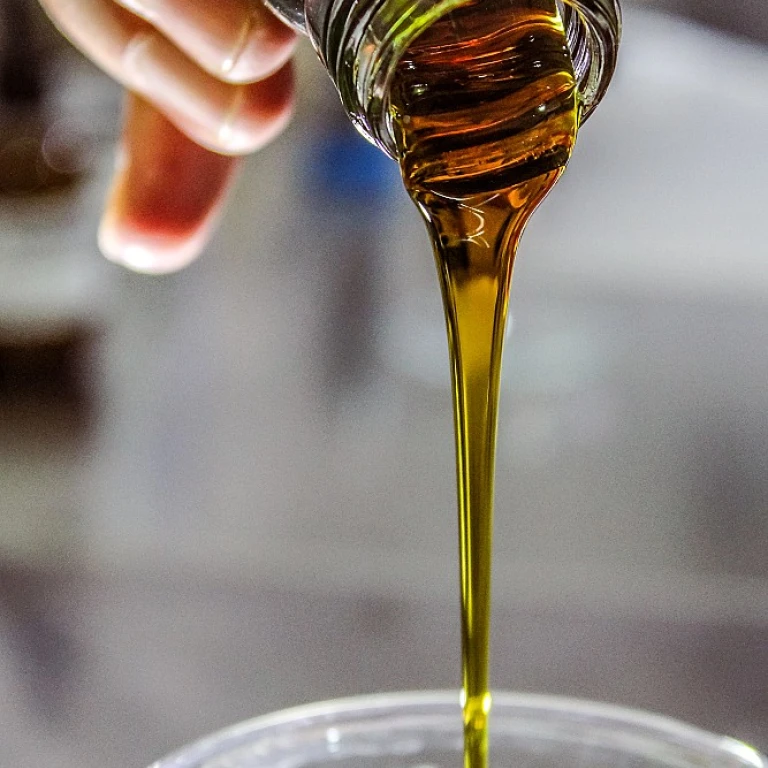
Oud remains the backbone of many arabic fragrances, earning its reputation as liquid gold for its depth and complexity. Natural oud is scarce and costly, which explains the higher unit price of some eau parfum and parfum spray compositions that feature it prominently. In Saudi Arabia and neighboring markets, consumers often prefer intense profiles that project strongly yet dry down to a refined, skin hugging aura.
Collections such as Lattafa Asad and Lattafa Yara show how oud can be framed with vanilla, spices, and florals to create versatile perfumes suitable for both day and night. Flankers like Lattafa Yara Elixir and Lattafa Asad Elixir amplify this intensity, offering more concentrated fragrances that appeal to connoisseurs who enjoy nuit intense experiences reminiscent of club nuit style evenings. For those who appreciate artisanal craft, guides on building fragrant objects mirror the same attention to detail found in carefully layered oud perfume.
Brands such as Ard Zaafaran, often written as Ard Zaafaran, complement Lattafa by offering items that combine oud, amber, and rose at a competitive unit price. Their perfumes and eau parfum sprays are frequently sold in sets, allowing a selection full of options for layering and seasonal rotation. Enthusiasts use each spray as a tool to sculpt personal space, from a single unit of parfum for intimate settings to multiple fragrances for a full refresh of wardrobe and mood.
From concentrated oils to modern spray formats and luxury accessories
Historically, arabic fragrances were worn as concentrated oils, dabbed on pulse points in small, deliberate gestures. Today, the dominance of spray formats has transformed application into a more diffused ritual, with parfum spray and eau parfum bottles designed for even distribution and controlled intensity. Collectors often compare how many sprays a unit of Lattafa Asad or Ard Zaafaran perfume requires to achieve the desired sillage.
The shift from oils to sprays has also influenced packaging, with brands investing in heavy glass, magnetic caps, and atomizers that deliver a fine spray. Articles on enhancing one’s fragrance ritual with a luxury diamond spray bottle show how accessories can elevate even affordable perfumes into a more ceremonial experience. For many enthusiasts, the tactile pleasure of holding a well balanced bottle and feeling the smooth spray mechanism is as important as the perfume itself.
Retailers respond to this demand by offering free shipping on qualifying shipping orders, especially during seasonal sale periods when multiple items are sold together. A selection full of Lattafa Yara, Lattafa Angham, Lattafa Eclaire, and Lattafa Khamrah allows wearers to curate wardrobes that move from office appropriate eau to evening ready nuit intense blends. In this environment, the unit price becomes part of a broader calculation that weighs concentration, spray quality, and the emotional resonance of each perfume.
Consumer behavior, pricing psychology, and the role of sales
Consumers of arabic fragrances tend to be highly informed, comparing note structures, performance, and unit price before committing to a full bottle. Many start with a single unit or travel size eau parfum to test how a perfume behaves in local climate, then upgrade to larger items if the spray proves long lasting. This cautious yet passionate approach helps explain the strong repeat purchase rates seen in the Middle East fragrance industry.
Sales strategies often revolve around curated bundles, where perfumes like Lattafa Asad, Lattafa Yara, and Ard Zaafaran creations are sold together at a favorable unit price. Retailers highlight free shipping thresholds and limited time sale events to encourage larger shipping orders, effectively turning a planned purchase of one perfume into a selection full of complementary fragrances. For many enthusiasts, these promotions are less about saving money and more about gaining access to a broader palette of oud, amber, and floral profiles.
Psychologically, the contrast between the price of affordable eau and the higher cost of intense elixir formats such as Yara Elixir or Asad Elixir reinforces the perception of luxury. Consumers understand that concentrated parfum spray formulas require more raw materials, especially when natural oud is involved, and they are willing to pay a premium for that depth. Over time, this behavior supports a market where both entry level and high end arabic fragrances can thrive side by side.
Building a personal wardrobe of arabic fragrances with depth and intent
For people who adore fragrance, arabic fragrances offer a framework for building a wardrobe that reflects mood, season, and social context. A thoughtful collection might start with a versatile eau parfum such as Lattafa Yara for daytime, an intense oud focused perfume like Lattafa Asad for evenings, and a refined Ard Zaafaran blend for formal occasions. Each unit adds a new facet, allowing the wearer to move from casual freshness to nuit intense drama with just a few sprays.
Enthusiasts often organize their perfumes by function, keeping parfum spray bottles that project strongly for outdoor events and softer eau items for close contact settings. Flankers such as Yara Elixir and Asad Elixir provide additional layers of intensity, enabling a full refresh of signature scents without abandoning familiar DNA. Over time, this approach creates a selection full of options where every spray Lattafa or spray Ard bottle has a clear role in daily life.
When evaluating new perfumes, collectors look beyond price tags to consider concentration, unit price, and the quality of the spray mechanism. They pay attention to how many items are sold in a line, whether free shipping applies to their shipping orders, and how each perfume complements existing arabic fragrances in their wardrobe. In this way, the market’s growth is mirrored in personal shelves, where oud rich bottles stand as quiet testaments to culture, craftsmanship, and enduring olfactory passion.
Key statistics on arabic fragrances and regional perfume markets
- The Middle East fragrance market is valued at approximately 3.76 billion USD, reflecting the strong cultural importance of perfumes and arabic fragrances.
- In Saudi Arabia alone, the perfume market value is estimated at around 1.95 billion USD, underlining the country’s central role in regional demand.
- Premium perfumes represent about 61 % of the market share, confirming the dominance of intense, long lasting fragrances and concentrated parfum formats.
- Specialty perfume stores account for roughly 70 % of retail channel sales, with typical margins near 30 % and seasonal promotions.
- E commerce represents about 30 % of distribution, with platforms such as Amazon and brand websites driving growth in shipping orders and international access.
Questions people often ask about arabic fragrances
What makes arabic fragrances different from Western perfumes ?
Arabic fragrances typically emphasize oud, amber, musk, and rose, creating more intense and long lasting profiles than many Western perfumes. They often appear in higher concentration formats such as parfum and eau parfum, with a focus on projection and longevity. Cultural rituals, from hospitality to religious preparation, also shape how these perfumes are worn and valued.
Why is oud so expensive in arabic fragrances ?
Oud comes from the resinous heartwood of Aquilaria trees, which are rare and slow growing. Only a small percentage of trees naturally develop the resin, making genuine oud scarce and labor intensive to harvest. This rarity, combined with high demand in the Middle East fragrance industry, drives up the price of perfumes that feature real oud.
How should I apply intense arabic fragrances for best effect ?
Apply one or two sprays of parfum spray to pulse points such as wrists, neck, and the back of the knees. For very intense oud based perfumes, start with fewer sprays and evaluate projection after several minutes before adding more. Spraying lightly on clothing can enhance longevity, but always test fabrics first to avoid staining.
Are arabic fragrances suitable for all genders ?
Yes, arabic fragrances are traditionally unisex, with many perfumes designed to be shared across genders. Oud, amber, and musk can lean either warm and comforting or dark and smoky, depending on the composition. Consumers in the region often choose perfumes based on mood and occasion rather than strict gender labels.
How can I start building a wardrobe of arabic fragrances ?
Begin with a versatile eau parfum for daytime, an intense oud focused perfume for evenings, and a softer musk or amber blend for intimate settings. Explore brands such as Lattafa and Ard Zaafaran, paying attention to unit price, concentration, and performance on your skin. Over time, add flankers and elixir versions to create a selection full of options that match your evolving tastes.