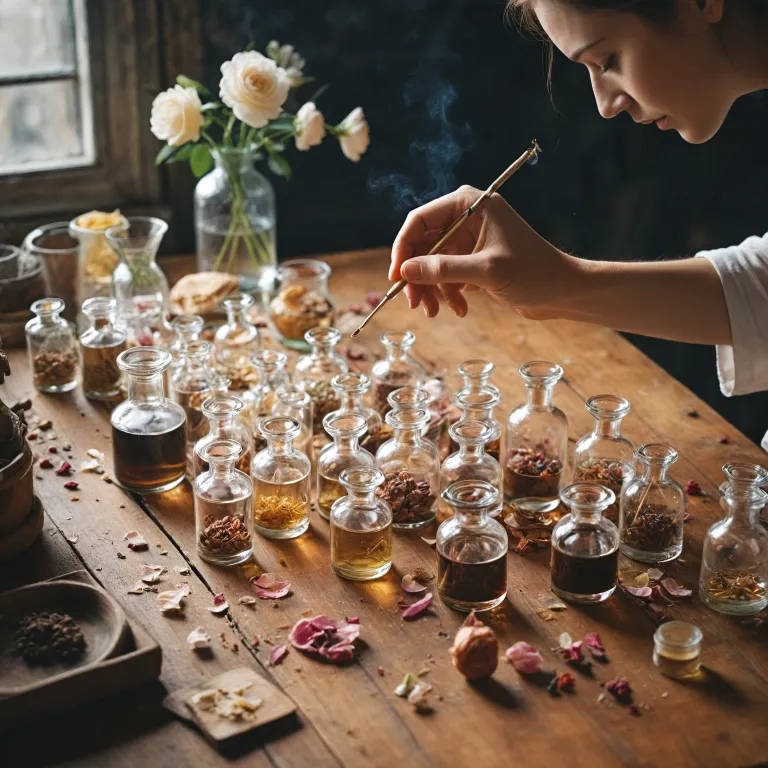
The quiet art of translating a beloved fragrance
Fragrance duplication fascinates perfume lovers who chase nuance and memory. When a perfumer studies an original fragrance, the goal is not imitation but a respectful translation of its scent architecture. This translation must honor the perfume while offering new solutions for different uses and budgets.
In professional labs, the duplication process begins with a detailed evaluation of the fragrance oil and its evaporation curve over several days. Specialists will smell the scent on blotters and skin, then list each perceived type of note, from bright citrus to deep resins. This careful work guides the later use of gas chromatography, which separates volatile molecules and supports precise oil duplication.
Gas chromatography does not replace the nose ; it refines it. The machine generates a list of peaks that correspond to components in the original fragrance oil, but the perfumer must interpret which essential oils, aroma molecules, or accords to add. Only then can a duplicated fragrance approach the emotional effect of the original fragrance while respecting safety and personal care regulations.
For enthusiasts, fragrance duplication offers access to scents that may be out of sale or above their usual price. A well executed duplication service can provide a sample or room spray that captures a favorite perfume’s character for everyday use. When done with integrity, these duplication services support care fragrances, laundry detergent, and private label projects without pretending to replace the creator’s artistry.
How fragrance duplication works from lab bench to bottle
Behind every duplicated fragrance stands a structured duplication process that balances chemistry and aesthetics. After the first smelling sessions, perfumers classify the fragrance into a type fragrance family such as floral, amber, or woody. This type classification guides which fragrance oils and essential oils will form the backbone of the new formula.
Next, technicians run gas chromatography on the original fragrance oil to obtain a detailed analytical list. This list does not reveal proprietary formulas, but it highlights dominant molecules that shape the scent and its behavior over days. The perfumer then decides which fragrance oils and oil duplication choices can recreate the same diffusion, texture, and emotional impact.
Many laboratories offer a structured duplication service with clear stages, from evaluation to sample creation and final order. A typical duplication process includes an initial sample, client feedback, and at least one round of adjustments to refine the fragrance will meet expectations. During this phase, excellent customer service is essential, especially when clients are interested services for private label or personal care ranges.
Fragrance duplication also intersects with sustainability and ingredient transparency, themes explored in depth in articles about green aftershave and nature inspired fragrance. When perfumers choose modern aroma chemicals and responsibly sourced essential oils, the duplicated fragrance can reduce cost without sacrificing quality. For many brands, this approach offers flexible solutions that respect both the original fragrance and contemporary ethical expectations.
Price, value, and ethics in fragrance duplication
For consumers, the first questions around fragrance duplication often concern price and ethics. A duplication service can usually offer a more accessible price per millilitre than a prestige perfume, especially when sold in larger formats for room spray or laundry detergent. However, a responsible sale strategy must avoid misleading comparisons with the original fragrance and instead emphasize type fragrance similarity and functional benefits.
Professional labs typically set a minimum order quantity for duplicated fragrance, especially when producing private label or personal care lines. This minimum helps cover the cost of gas chromatography, formulation time, and stability testing over several days. For individual enthusiasts, some companies offer a smaller sample size so that the customer can test the scent before committing to a full purchase.
Ethical fragrance duplication respects intellectual property while serving genuine consumer needs. Reputable duplication services clearly state that their fragrance oils are inspired by, but not affiliated with, any original fragrance brand. They also provide transparent customer service, clear ingredient lists where possible, and realistic descriptions of how closely the fragrance duplication matches the reference perfume.
For connoisseurs who adore complex florals, reading about the allure of ylang based perfume can deepen appreciation of how a single flower shapes many fragrances. When such a floral accord is the heart of an original fragrance, the duplication process must carefully balance natural essential oils and synthetic notes. Only then can the duplicated fragrance offer a convincing scent while keeping the final price aligned with the target market.
From personal care to room spray: where duplicated fragrances shine
Fragrance duplication is not limited to perfume bottles ; it thrives across personal care and home products. Brands often request a duplication service to translate a beloved fragrance into shower gel, body lotion, or hair mist. In these formats, the fragrance oil must be adapted to different bases, ensuring stability, safety, and pleasant scent release.
Home care fragrances represent another dynamic field for duplicated fragrance solutions. A client might love a perfume and wish to add a matching room spray or laundry detergent to their daily ritual. The perfumer will adjust the type fragrance concentration, solvent system, and supporting fragrance oils so that the scent performs well on fabric, in the air, or on hard surfaces.
Because these applications involve frequent use over many days, the duplication process must consider potential sensitivities. Responsible labs choose allergens carefully, balance essential oils with modern aroma molecules, and test how the fragrance will behave in different temperatures and storage conditions. This attention to detail supports both safety and long term enjoyment.
For niche creators, private label projects using fragrance duplication can extend a signature scent into a full lifestyle line. A single original fragrance can inspire multiple duplicated fragrances tailored to specific uses, from intimate personal care to expansive home ambiance. In this context, duplication services become strategic partners, offering technical solutions and reliable customer service rather than just a one time sale.
Why fragrance lovers turn to duplication services
Passionate fragrance lovers often encounter practical limits, whether budget, availability, or reformulations of a favorite perfume. Fragrance duplication offers a way to preserve a cherished scent profile when an original fragrance changes or disappears from sale. For many, a high quality duplicated fragrance becomes a daily companion, while the remaining drops of the original stay reserved for special days.
Some enthusiasts are also drawn to the creative freedom that duplication services provide. By starting from a known fragrance oil and adjusting certain accords, they can order a type fragrance that feels both familiar and personal. This semi bespoke approach allows them to add nuances, such as extra woods or softened florals, without paying full custom perfumery prices.
In the middle of this landscape, thoughtful commentary on topics like why organic cologne is gaining attention among fragrance lovers highlights how values influence purchase decisions. Some clients request duplication services that prioritize natural essential oils, while others focus on longevity and projection. Skilled perfumers explain how each choice affects the duplication process, the final price, and the performance of the fragrance oils in different products.
Ultimately, fragrance duplication is about access, continuity, and care. It allows people to integrate care fragrances into personal care routines, home rituals, and even professional spaces without sacrificing olfactory identity. When supported by knowledgeable customer service and transparent communication, these interested services build long term trust with a community that values both artistry and practicality.
Practical guidance for evaluating a fragrance duplication offer
For readers considering a fragrance duplication offer, a few practical criteria can guide wise decisions. First, examine how clearly the provider explains their duplication process, from gas chromatography to final stability testing. A serious lab will describe how they handle fragrance oil selection, essential oils, and safety assessments for different product types.
Second, look at the structure of the sale and order conditions, including minimum quantities and sample policies. Reputable duplication services usually provide a reasonably priced sample so that you can test the duplicated fragrance over several days on skin and fabric. This trial period reveals how the fragrance will evolve, whether the type fragrance matches your expectations, and if any adjustments are needed.
Third, evaluate customer service responsiveness and technical knowledge. Teams that handle private label and personal care projects should be able to add clear documentation, ingredient information where possible, and realistic timelines for delivery. When you are interested services for room spray, laundry detergent, or care fragrances, this professionalism reduces risk and supports better long term results.
Finally, compare price not only to the original fragrance but also to the complexity of the requested solutions. A sophisticated oil duplication that closely follows a complex perfume formula will naturally cost more than a simple single note fragrance oil. By aligning expectations with the realities of raw material costs and laboratory work, fragrance lovers can appreciate fragrance duplication as a refined service rather than a shortcut.
Key statistics on fragrance duplication and scented products
- Global demand for fragrance oils and essential oils used in duplication services has grown steadily in recent market analyses.
- Private label and personal care brands represent a significant share of new duplicated fragrance launches worldwide.
- Home care fragrances, including room spray and laundry detergent, show faster growth than traditional fine fragrance segments in several regions.
- Consumer surveys indicate that many fragrance lovers are willing to purchase duplicated fragrances when transparency and quality standards are clearly communicated.
Questions people often ask about fragrance duplication
How close can a duplicated fragrance come to the original scent ?
A well executed fragrance duplication can come remarkably close to the original fragrance in overall impression, especially when gas chromatography and experienced noses work together. However, tiny differences in raw materials, aging, and skin chemistry mean that a duplicated fragrance is best understood as an inspired match rather than an identical copy. The goal is to recreate the emotional and sensory profile, not every molecule.
Is fragrance duplication legal and ethical for brands and consumers ?
Fragrance duplication is generally legal when it avoids using protected trademarks, logos, or misleading claims of affiliation. Ethical providers clearly state that their fragrance oils are inspirations and do not present their duplication service as an official product of the original brand. Transparency, accurate communication, and respect for intellectual property are essential to maintain trust with both clients and creators.
Why do some duplicated fragrances cost less than designer perfumes ?
Duplicated fragrances often cost less because they bypass heavy marketing budgets, prestige packaging, and certain distribution margins. The price reflects mainly the fragrance oil, the duplication process, and the scale of production, especially when minimum order quantities are met. For many fragrance lovers, this structure offers access to familiar scent profiles at a more approachable cost.
Can duplicated fragrances be used safely in personal care and home products ?
Yes, when produced by reputable labs that follow safety guidelines and regulatory standards, duplicated fragrances can be used safely in personal care and home care fragrances. Professionals adjust dosage levels for each product type, from body lotion to room spray and laundry detergent. They also test stability and potential sensitization to ensure that the fragrance will perform reliably over time.
What should I check before ordering a fragrance duplication for private label ?
Before placing a private label order, review the provider’s experience, technical capabilities, and customer service track record. Ask about gas chromatography use, sample policies, minimum quantities, and documentation for each fragrance oil or essential oil blend. Clear communication at this stage helps ensure that the final duplicated fragrance aligns with your brand identity, budget, and long term product strategy.
Sources: International Fragrance Association (IFRA) ; Fragrance Creators Association ; Cosmetics Europe.