
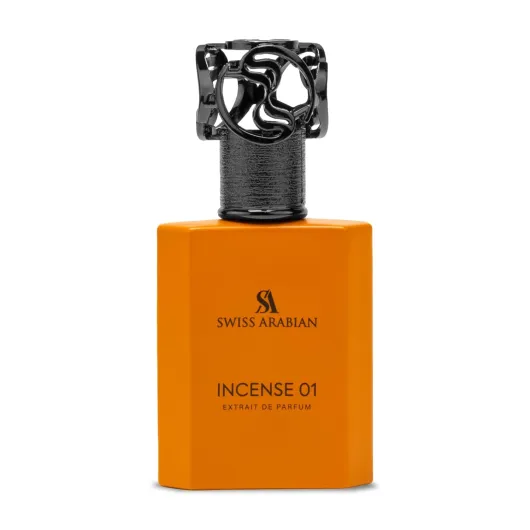
Understanding the essence of incense fragrance
What Makes Incense Fragrance So Captivating?
Incense fragrances have a unique ability to evoke both ancient rituals and modern sophistication. The scent of incense is not just a single note but a complex blend of smoky, resinous, and sometimes sweet or spicy accords. When you spray a perfume or cologne inspired by incense, you’re often greeted by a warm, enveloping aroma that can include hints of vanilla, amber, woody spice, and even green or herbal undertones. These notes create a scent profile that is both mysterious and comforting, making incense fragrances a staple in many scent collections.
What sets incense apart is its versatility. It can be paired with a variety of other notes—think vanilla bean, red apple, brown sugar, or even green floral and violet leaf—to create perfumes that range from dark and smoky to fresh and uplifting. Some best sellers in the incense category feature a blend of white musk, warm amber, and incense leather, offering a smooth transition from the initial spray to the dry down. Others incorporate unexpected elements like blood orange or rose water for a modern twist.
- Incense sticks and bath body products often use similar notes, bridging the gap between personal fragrance and home ambiance.
- Reviews frequently highlight the longevity and projection of incense-based perfumes, especially when layered with body products or used as a cologne spray.
- Some fragrances in this genre are low in stock due to their popularity, so it’s wise to keep an eye on what’s sold and what’s available in your favorite shops.
For those curious about the mysterious world behind these scents, exploring the mysterious world of incense perfumes can offer deeper insight into why these fragrances continue to captivate perfume lovers worldwide.

Cultural roots and historical significance
Incense Through the Ages: Rituals, Trade, and Symbolism
Incense has captivated civilizations for thousands of years, shaping rituals and daily life from ancient temples to modern homes. Its smoky, resinous scent is more than just a fragrance; it carries deep cultural and spiritual meaning. In ancient Egypt, incense was burned during ceremonies to honor deities and purify sacred spaces. Across Asia, sticks of incense became essential in meditation and healing practices, while in Europe, the trade of rare resins like frankincense and myrrh influenced economies and even sparked exploration.
Today, incense notes remain a cornerstone in perfumery, often blended with vanilla, amber, or musk to evoke warmth and mystery. The use of incense in fragrance is not just about the scent itself, but about the stories and traditions it brings with it. Whether you’re drawn to the green, pine-like freshness of certain incense blends or the dark, woody spice of incense leather, these notes connect us to a rich tapestry of human history.
- Spiritual significance: Incense has long been linked to rituals, meditation, and creating a sense of calm.
- Trade and luxury: Rare incense resins were once as valuable as gold, shaping the world’s earliest scent collections.
- Modern interpretations: Today’s best sellers often feature incense paired with vanilla bean, violet leaf, or warm amber for a contemporary twist.
For those who adore fragrance, understanding incense’s cultural roots adds depth to every spray or cologne. It’s not just about what’s sold or in stock; it’s about the centuries-old journey from sacred rituals to your own bath body routine. If you’re curious about how regal scents have evolved and their enduring allure, you might enjoy this in-depth view on imperial perfume and its connection to incense’s mystique.
How perfumers craft incense-inspired scents
From Ancient Ritual to Modern Bottle
Transforming incense from its smoky, spiritual origins into a wearable perfume is a fascinating process. Perfumers draw inspiration from the age-old tradition of burning incense sticks, cones, and resins, translating that mystique into liquid artistry. The challenge lies in capturing the complexity of incense—its dark, resinous, and sometimes green or woody spice facets—while ensuring the scent remains wearable and appealing for daily use.
Crafting the Incense Accord
To evoke the sensation of incense, perfumers often blend notes like frankincense, myrrh, and labdanum with supporting ingredients. Vanilla, amber, and musk are frequently added to smooth the edges and add warmth, while hints of pine, herbs, or even apple and blood orange can introduce a modern twist. Some fragrances lean into the smoky, leathery side, while others highlight green floral or violet leaf nuances for a lighter take.
- Woody spice: Sandalwood, cedar, and patchouli create a grounding base.
- Warm amber: Adds depth and a soft glow to the incense heart.
- Vanilla bean and vanilla vetiver: Lend a creamy, smooth finish.
- Jasmine and rose water: Bring a floral lift, balancing the darker elements.
- White musk: Offers a clean, airy counterpoint to the richness.
Modern Interpretations and Best Sellers
Today’s incense fragrances come in many forms—cologne spray, eau de parfum, and even bath body products. Reviews often highlight how these scents can feel both ancient and contemporary, with some best sellers featuring unexpected notes like red apple or brown sugar for added intrigue. Limited stock and low products in certain scent collections can make these perfumes highly sought after, especially among those who appreciate the mystique of incense leather or the subtlety of green nuances.
For a deeper view into how obsession with fragrance shapes the market and influences what gets sold, you can explore this insightful article on perfume obsession.
Popular incense fragrance notes and their profiles
Key Incense Notes and Their Unique Signatures
Incense fragrances are celebrated for their complexity and depth, often blending a tapestry of notes that evoke both ancient rituals and modern sophistication. Understanding the most popular incense notes and their profiles can help fragrance lovers appreciate the artistry behind each scent and make informed choices when adding to their scent collection.
- Classic Incense: The heart of many incense perfumes, this note is typically derived from resins like frankincense and myrrh. It delivers a smoky, slightly sweet aroma that feels both meditative and mysterious. Reviews often highlight its calming effect and its ability to linger on the skin.
- Woody Spice: Sandalwood, cedar, and pine are frequently paired with incense to create a warm, grounding base. These woody notes add smoothness and depth, making the scent suitable for both body and cologne spray formats.
- Amber and Musk: Warm amber and white musk are common companions to incense, adding a creamy, sensual layer. Amber brings a golden, resinous sweetness, while musk provides a soft, skin-like finish. Together, they enhance longevity and projection, making these scents best sellers in many collections.
- Green and Herbal Accents: Green floral notes, violet leaf, and herbs smooth out the smokiness of incense, introducing a fresh, uplifting dimension. Perfumes featuring green or herbal nuances are often described as modern takes on traditional incense, appealing to those who prefer lighter, more wearable options.
- Sweet and Fruity Contrasts: Vanilla, vanilla bean, vanilla vetiver, and brown sugar are sometimes blended with incense for a gourmand twist. Red apple and blood orange can also be found in niche creations, offering a juicy, vibrant counterpoint to the darker, resinous core. These combinations are especially popular in bath body products and limited stock releases.
- Floral and Exotic Touches: Jasmine, rose water, and even hints of dark, spicy leather can elevate incense fragrances, adding complexity and intrigue. These elements are often found in perfumes that aim to balance tradition with innovation.
When exploring incense scents, pay attention to how these notes interact. Some perfumes lean into the smoky, meditative side, while others highlight sweet, green, or spicy facets. Whether you prefer a cologne spray with a crisp pine opening or a body scent layered with warm amber and vanilla white, there is an incense fragrance to suit every mood and occasion. For those interested in low products or limited editions, checking current stock and reading reviews can help ensure you don’t miss out on unique blends.
Tips for layering and wearing incense fragrances
Making Incense Fragrances Your Own
Layering incense fragrances can be a rewarding way to express your personal style. The smoky, resinous notes of incense blend beautifully with a variety of other scent profiles, letting you create a signature aroma that stands out in any scent collection. Here are some practical tips for wearing and layering incense-inspired perfumes and colognes:
- Start with the base: Incense notes like frankincense, myrrh, and woody spice often form the foundation of a fragrance. Try pairing them with warm amber or musk for a smooth, enveloping effect.
- Add a touch of sweetness: Vanilla, vanilla bean, or brown sugar can soften the intensity of incense, making the scent more approachable for everyday wear. Vanilla white and vanilla vetiver are especially popular in reviews for their creamy, comforting undertones.
- Experiment with florals and fruits: Jasmine, violet leaf, and green floral notes add a fresh lift to incense-heavy perfumes. For a modern twist, layer with red apple, blood orange, or even a hint of rose water to bring brightness and contrast.
- Explore herbal and green accents: Pine, herbs smooth, and green notes can give incense fragrances a crisp, outdoorsy character. These are ideal for those who prefer a less sweet, more natural scent profile.
- Try different formats: Incense fragrances are available as perfume, cologne, cologne spray, and even bath body products. Sticks and body sprays can be layered for a subtle, long-lasting effect, while a concentrated perfume or cologne spray offers more projection.
Tips for Longevity and Sillage
- Apply to pulse points: Spraying on wrists, neck, and behind the ears helps the scent develop with your body heat.
- Moisturize first: Applying an unscented lotion or bath body cream before your fragrance can help lock in the scent, especially with low products in stock or lighter colognes.
- Mind the weather: Incense, amber, and dark woody notes tend to perform best in cooler temperatures, while green and citrus notes like blood orange or apple shine in warmer months.
Many best sellers combine incense with vanilla, musk, or amber for a balanced, crowd-pleasing effect. If you’re new to incense fragrances, look for reviews that mention how the scent evolves over time, especially in blends featuring incense leather, warm amber, or white musk. Don’t hesitate to sample before you buy, as stock and availability can vary, and some scents may be sold out quickly due to high demand.
Whether you prefer a bold, dark incense or a lighter blend with green and floral notes, layering allows you to skip content that doesn’t suit your taste and discover combinations that feel uniquely yours.
Selecting the right incense fragrance for your collection
Finding Your Signature Incense Scent
Choosing the right incense fragrance for your collection can be both exciting and overwhelming. With so many options—ranging from classic sticks to modern cologne sprays—it's important to consider your preferences, lifestyle, and the notes that resonate with you. Here are some practical tips to help you navigate the world of incense-inspired perfumes and colognes:
- Explore the Notes: Incense fragrances often blend smoky, resinous accords with complementary notes like warm amber, vanilla bean, or woody spice. If you enjoy a sweeter touch, look for scents with vanilla, brown sugar, or red apple. For a fresher profile, green floral, violet leaf, or blood orange can add brightness.
- Consider Longevity and Sillage: Reviews often highlight how long a scent lasts and how far it projects. Incense, musk, and amber notes tend to linger, making them ideal for those who want a fragrance that stays with them throughout the day.
- Match to Your Mood or Occasion: Dark, smoky incense leather or warm amber scents are perfect for evenings or colder months. For daytime or warmer weather, try lighter blends with jasmine, pine, or herbs smooth.
- Check Availability: Some incense fragrances are best sellers and may be low in stock. If you find a scent you love, especially in limited editions or popular cologne sprays, consider purchasing before it’s sold out.
- Layering Possibilities: If you enjoy customizing your scent, look for perfumes that pair well with bath body products like rose water or vanilla white lotions. Layering can enhance the depth and longevity of your chosen incense fragrance.
- Read and Compare Reviews: Before adding to your scent collection, view feedback from others who have tried the perfume. Reviews can reveal how the scent develops on the skin, whether it leans more woody spice, green, or sweet, and if it matches your expectations.
| Fragrance Note | Profile | Best For |
|---|---|---|
| Incense | Smoky, resinous, mystical | Evening, meditation, signature scent |
| Vanilla | Sweet, creamy, comforting | Layering, daily wear |
| Amber | Warm, rich, enveloping | Cool weather, cozy settings |
| Green Floral | Fresh, leafy, uplifting | Spring, daytime, office |
| Musk | Soft, sensual, clean | Skin scents, layering |
| Woody Spice | Earthy, spicy, bold | Statement, evening |
Whether you’re drawn to the dark allure of incense leather or the smooth comfort of vanilla vetiver, your ideal incense fragrance is out there. Take your time to sample, compare, and enjoy the journey—your next favorite scent might be just a spray away.