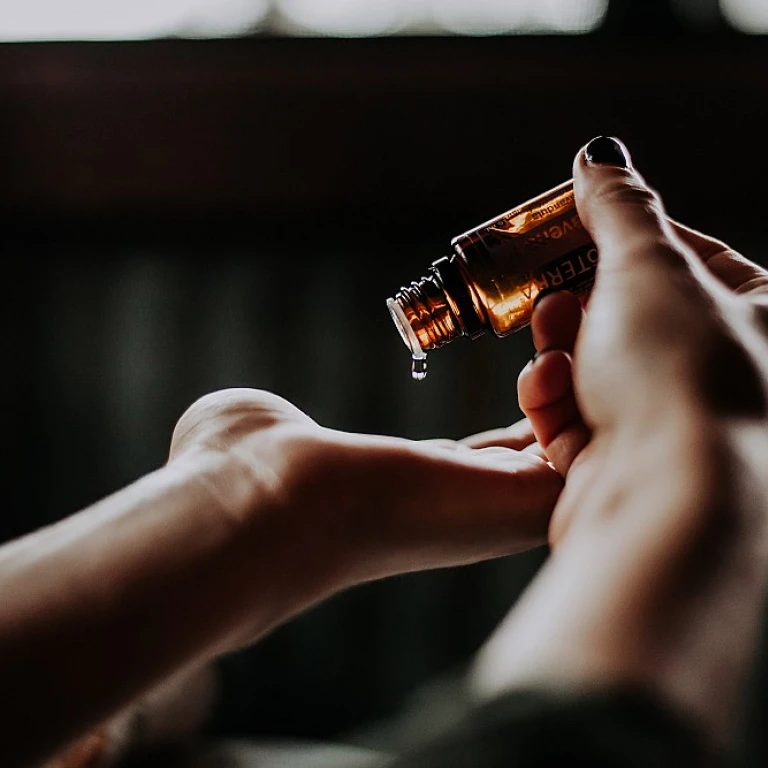
Understanding the origins of oudh perfume
The Precious Origins of Oud
Oud, also known as oudh, is one of the most coveted and mysterious ingredients in the world of fragrance. This rare essential oil is derived from the heartwood of the Aquilaria tree, a species native to Southeast Asia. When the tree becomes infected with a particular type of mold, it produces a dark, aromatic resin as a defense mechanism. This resin-soaked wood, known as agarwood, is the source of the prized oud oil used in many perfumes and personal care products.
The process of harvesting oud is labor-intensive and time-consuming, contributing to its high value. Only a small percentage of Aquilaria trees naturally produce this resin, making oud one of the most expensive raw materials in perfumery. The extraction of oud oil requires careful distillation, often using traditional methods passed down through generations in the Middle East and Asia.
- Natural rarity: Oud is not only rare but also complex, with each batch offering a unique scent profile depending on the tree’s age, region, and extraction method.
- Historical roots: Oud has been treasured for centuries, especially in Arabian oud traditions, where it is used in perfumes, incense, and rituals.
- Global influence: Today, oud fragrances have gained popularity worldwide, with luxury brands and niche perfumers crafting oud perfumes that highlight its woody, smoky, and sometimes sweet notes.
For fragrance lovers, understanding the origins of oud is essential to appreciating its depth and mystique. Its journey from a natural tree resin to a sophisticated eau parfum is a testament to the artistry and heritage behind every bottle. If you’re curious about other unique natural ingredients in perfumery, explore the enchanting world of heliotrope perfume for another fascinating story.
The cultural significance of oudh in perfumery
The Symbolism and Rituals Surrounding Oudh
Oudh, also known as oud, has a deep-rooted significance in the world of fragrance, especially in the Middle East and South Asia. This precious ingredient is more than just a scent; it is woven into the fabric of cultural rituals, religious ceremonies, and personal care traditions. For centuries, oudh has been used to mark important occasions, from weddings to spiritual gatherings, where its smoky, woody aroma fills the air, symbolizing luxury and reverence.
In many Arabian cultures, burning oud wood chips or using oud essential oil is a gesture of hospitality and respect. Guests are welcomed with the lingering notes of oud, often blended with rose, musk, or vanilla, creating a warm and inviting atmosphere. The act of scenting garments and hair with oudh is a cherished tradition, passed down through generations, and is still practiced today with modern eau parfum and oud perfumes.
Oudh’s Influence on Modern Perfumery
The mystique of oudh has inspired countless perfumers to create fragrances that capture its unique character. From classic Arabian oud to contemporary blends by renowned houses, the presence of oud notes in a perfume signals sophistication and depth. In the United States and Europe, oud fragrances have become best sellers, with brands crafting products that balance the intensity of oud wood with floral, woody, or even gourmand notes like vanilla and musk.
Oud perfumes are often associated with opulence and exclusivity, making them highly sought after by collectors and enthusiasts. Whether found in a pure essential oil or as a note in a complex eau parfum, oudh continues to shape the landscape of modern perfumery, bridging the gap between tradition and innovation.
- Oud is a symbol of status and refinement in many cultures.
- It is commonly layered with other notes such as rose, musk, and woody accords for a multidimensional scent.
- Oud fragrances are popular choices for special occasions and personal care rituals.
For a deeper exploration of the interplay between rose and oud in perfumery, discover the allure of rose oud perfume and how these notes create a timeless woody floral elegance.
How oudh perfume is crafted
The Art of Extracting Oudh: From Tree to Essence
Oudh, also known as oud, is one of the most precious and complex ingredients in the world of fragrance. The journey from raw wood to the final perfume is intricate and requires deep expertise. Oudh is derived from the resinous heartwood of the Aquilaria tree, which is native to Southeast Asia and the Middle East. When the tree becomes infected by a specific mold, it produces a dark, aromatic resin as a defense mechanism. This resin is what gives oud its signature scent profile, making it highly sought after in both traditional Arabian oud and modern niche perfumes.Traditional and Modern Extraction Methods
The process of crafting oud perfume begins with harvesting the resin-rich wood. The wood is carefully selected, often by hand, to ensure only the best quality is used. There are two main methods for extracting the essential oil:- Distillation: The most traditional method, where the wood chips are soaked in water and then slowly distilled. This process can take days and yields a concentrated oud oil, prized for its depth and complexity.
- CO2 Extraction: A more modern technique that uses pressurized carbon dioxide to extract the oil. This method is efficient and preserves the natural woody and smoky notes of the oud.
Crafting Unique Oud Fragrances
Oud fragrances are often crafted in small batches due to the rarity and cost of the raw material. Perfumers may combine oud with floral notes like rose, or with spices and resins to create woody floral or spicy oud scents. Popular products include eau de parfum and parfum concentrations, which offer a more intense and long-lasting oud scent experience. Some of the best sellers in the United States and the Middle East feature oud as a central note, often paired with vanilla or musk for added warmth and sensuality. For those interested in exploring how oud is layered with other ingredients, the interplay between vanilla and woody notes is particularly fascinating. You can discover more about this harmonious blend in the article on the allure of vanilla and patchouli in modern perfumery.Quality and Authenticity
Not all oud products are created equal. Authentic oud oil is rare and expensive, so some perfumes use synthetic oud notes to mimic the natural aroma. When choosing an oud perfume, look for reputable brands that source their oud responsibly and transparently. Maison Francis and Tom Ford are known for their high-quality oud fragrances, offering both classic and innovative interpretations of this iconic note. Whether you are drawn to the deep, woody character of oud wood or the softer, more floral rose oud blends, understanding the craftsmanship behind each bottle can deepen your appreciation for this legendary ingredient in personal care and perfumery.The scent profile of oudh: what makes it unique
The Intricate Layers of Oudh’s Aroma
Oudh, also known as oud, is celebrated for its complex scent profile. This natural essential oil, derived from the resinous heartwood of the Aquilaria tree, offers a fragrance experience unlike any other. The scent of oudh is often described as woody, smoky, and slightly sweet, with nuances that can range from leathery to balsamic. These layers make oud perfumes some of the most sought-after products in the world of personal care and fine fragrance.
What Sets Oudh Apart in Perfumery
What truly distinguishes oudh from other woody notes is its depth and richness. While many woody fragrances rely on cedar or sandalwood, oud wood brings a unique intensity. The best oud perfumes balance this powerful note with supporting accords. For example, rose oud combinations are popular, blending the floral elegance of rose with the dark, resinous character of oud. Vanilla and musk are also frequently used to round out the composition, adding warmth and softness to the overall scent.
- Top notes: These are the first impressions, sometimes featuring citrus or spicy elements to brighten the initial oud scent.
- Heart (middle) notes: Here, the woody floral character emerges, with rose, jasmine, or spices mingling with the oud.
- Base notes: The drydown is where oud’s true nature shines, often supported by amber, vanilla, or musk for a lasting impression.
Oudh in Modern Fragrance Collections
Oud fragrances have become a staple in both niche and mainstream perfume houses. From the Middle East to the United States, brands are offering their own interpretations. Maison Francis and Tom Ford, for instance, have developed best sellers that showcase the versatility of oud eau parfum. Whether you prefer a pure oud scent or a blend with woody floral or spicy notes, there is an oud product to suit every taste.
When exploring oud perfumes, consider how the note interacts with your skin and other fragrances in your collection. The natural complexity of oud wood means each perfume can evolve uniquely, making every wear a new experience. Whether you’re drawn to the intensity of Arabian oud or the modern elegance of western blends, oud remains a symbol of luxury and mystique in the world of perfumes.
Tips for wearing and layering oudh perfume
Making the Most of Oudh: Application and Layering Techniques
Wearing oudh perfume is a unique experience, thanks to its rich, woody character and deep, lingering scent. Whether you are new to oud fragrances or a seasoned collector, a few thoughtful tips can help you enjoy the best of what this essential oil offers.
- Start with Less: Oudh perfumes, especially those with high concentrations of natural oud wood, are powerful. Begin with a light application on pulse points—wrists, behind the ears, and the base of the throat. This allows the fragrance to develop gradually and prevents it from overwhelming your senses.
- Layering for Depth: Oudh pairs beautifully with other notes, such as rose, vanilla, and musk. Try layering a woody floral or rose oud eau parfum with a softer vanilla or musk-based scent. This enhances the complexity and longevity of your fragrance, creating a signature scent that evolves throughout the day.
- Consider the Occasion: Oudh perfumes are often bold and long-lasting, making them ideal for evening events or special occasions. For daytime wear, opt for lighter oud eau formulations or blend with fresh, citrusy top notes to soften the intensity.
- Mind the Weather: In warmer climates or during summer, oudh’s richness can feel heavier. Choose oud fragrances with airy, woody, or floral notes for a more balanced effect. In cooler weather, the warmth of oud wood and spice notes comes alive, offering a comforting, enveloping scent.
- Personalize Your Routine: The best way to wear oud perfume is the one that feels right for you. Experiment with different products, from eau parfum to pure essential oil, and discover which combinations suit your personal care routine and style.
Expert Tips for Lasting Sillage
- Apply fragrance to moisturized skin for better longevity.
- Spray or dab on clothing (test first to avoid stains) for a subtle, lasting oud scent.
- Store your perfumes away from direct sunlight and heat to preserve the integrity of the notes oud and other ingredients.
Oud perfumes have become best sellers in the United States and the Middle East, celebrated for their mystique and versatility. Whether you are drawn to the classic Arabian oud style or modern interpretations from renowned houses like Maison Francis, exploring different layering and application techniques will help you make the most of your oud fragrance collection.
Choosing the right oudh perfume for your collection
Finding Your Signature Oud Perfume
Choosing the right oud perfume for your collection is a personal journey. With so many oud fragrances on the market, from woody floral blends to rich, spicy compositions, it’s important to consider your preferences and the context in which you’ll wear the scent.
- Understand the Scent Profile: Oudh, also known as oud, is renowned for its deep, woody, and sometimes smoky aroma. Some perfumes highlight the natural intensity of oud wood, while others blend it with notes like rose, vanilla, or musk for a softer effect. If you enjoy a more floral touch, look for rose oud or woody floral compositions.
- Consider Concentration: Oud perfumes come in various concentrations, such as eau de parfum or pure parfum. Higher concentrations offer a more intense and longer-lasting scent, while eau de parfum provides a balanced projection suitable for daily wear.
- Explore Regional Influences: Oudh has a rich heritage in the Middle East, but many modern fragrances blend Arabian oud traditions with Western perfumery. This fusion creates a diverse range of oud eau and oud perfumes, from classic to contemporary interpretations.
- Test Before You Buy: Sampling is essential. The same oud scent can smell different on each person due to skin chemistry. Try samples or discovery sets before investing in a full-size product, especially with best sellers or niche releases.
- Check the Notes: Pay attention to the composition—top notes, heart notes, and base notes. Some oud fragrances open with citrus or spice, then reveal woody or musky undertones. Reading the note pyramid helps you anticipate how the perfume will evolve on your skin.
- Reputable Brands and Ingredients: Look for brands known for quality, such as those using natural oud essential oil or responsibly sourced oud wood. Maison Francis and Tom Ford are recognized for their oud perfumes, offering both classic and innovative takes on the oud note.
Curating Your Oudh Collection
Building a collection means balancing versatility and uniqueness. You might want a lighter oud eau for daily personal care and a richer, more complex oud scent for special occasions. Consider how each fragrance complements your existing perfumes and the seasons in the United States or your region.
Whether you’re drawn to the allure of Arabian oud, the elegance of woody floral blends, or the intrigue of oud and vanilla, the best oud perfume is the one that resonates with your style and story. Take your time exploring, and let your senses guide you to the oud fragrances that feel truly yours.