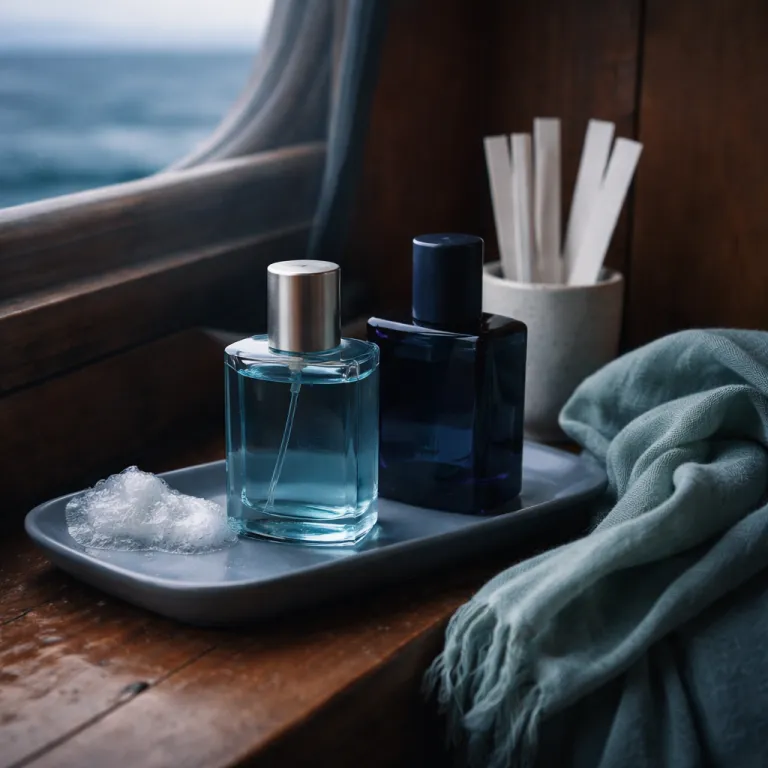
How to layer fragrances on real skin: a quick 4‑step guide
TL;DR – How to layer two fragrances in 4 steps
- Prep your skin: Shower, then apply an unscented or lightly scented body lotion so perfume adheres evenly.
- Choose your base: Pick the richer scent (eau de parfum, extrait, or perfume oil) and spray it on chest and inner elbows.
- Wait 10 minutes: Let the alcohol lift and the heart and base notes warm into your skin before adding anything else.
- Add the topper: Mist a lighter, fresher fragrance (citrus, airy floral, or cologne style) on neck, wrists, and hair for a soft halo—then stop.
Why layering fragrances works on real skin, not just on paper
Learning how to layer fragrances starts with understanding how perfume behaves on skin. A fragrance is built in layers of top notes, heart notes, and base notes that evaporate at different speeds and interact with your body chemistry. When you practice thoughtful fragrance layering rather than random spraying, you are essentially composing a new scent on your own body in real time.
Top notes are the bright opening of most perfumes, often citrus, green, or very fresh accords that vanish within 15 to 30 minutes. Beneath them sit the heart notes, which carry the character of many scents, while the base notes are heavier materials such as woods, resins, musks, and vanilla that cling to skin for hours. When you layer fragrances, you are stacking these fragrance notes and base notes from different bottles, so the order of application and the strength of each layer matters more than the marketing copy.
Think of your body as the canvas and each perfume as a transparent wash of colour. A rich eau parfum or eau de parfum with dense base notes makes a better base layer than a fleeting body mist or hair mist, because the heavier fragrance oil concentration anchors everything. This is why most perfumers advise using two or three perfumes at most for perfume layering or layering perfumes, rather than building a confusing tower of scents that fight for space on your pulse points.
The base to top rule: how to layer fragrances without chaos
The simplest rule for how to layer fragrances is this: start with the heaviest scent and finish with the lightest. A dense oud, amber, or gourmand eau parfum should sit closest to the skin, while a citrus, airy white floral, or very fresh cologne style perfume can be misted lightly on top. If you spray a light citrus first and then drown it under a thick smoky parfum, the delicate top notes are crushed and your layering fragrance experiment will feel muddy rather than luminous.
On a practical level, apply the richest formula as your base, which usually means an eau de parfum, extrait, or concentrated fragrance oil. This base layer should go on clean, moisturised skin, ideally after a neutral body lotion so that the fragrance families you choose can project evenly and cling to the body instead of dry patches. Over that, you can add a compatible eau parfums spray, then finish with a whisper of body mists or a body mist on hair if you want a halo of scent that moves when you do.
Give each layer 10 to 15 minutes to settle before adding the next, because that window lets the alcohol lift, the top notes bloom, and the base notes begin to warm into your skin. During that time, the scent will shift from sharp and volatile to smoother and more blended, which makes it easier to judge whether your next layer should be more fresh, more vanilla, or more floral. If you are unsure about concentration, read the label or consult a guide on the difference between perfume oil and eau de parfum so you know which bottle deserves the base position in your perfume layering routine.
Building a signature scent: three starter layering recipes
Once you grasp the base to top logic, you can start using fragrance layering to shape a signature scent that feels personal rather than generic. Think of three axes when you layer fragrances: texture, temperature, and contrast between fragrance families such as citrus, floral, woody, and gourmand. Below are three concrete layering perfumes ideas at different price points, each using no more than three scents so beginners can stay in control.
Soft vanilla and citrus glow (entry level):
- Base care: A simple vanilla body lotion on damp skin (look for vanilla, tonka bean, or benzoin in the ingredients list).
- Core scent: A vanilla focused eau parfum such as The 7 Virtues Vanilla Woods on pulse points (wrists, inner elbows, chest).
- Top mist: After ten minutes, a bright citrus body mist with notes like lemon, bergamot, or grapefruit, sprayed lightly over hair and shoulders for a clean, juicy top that does not drown the creamy base notes.
Woody floral polish (mid range):
- Base layer: A sandalwood leaning fragrance oil or woody eau parfums with cedar, sandalwood, or cashmere woods as the foundation.
- Floral veil: A white floral perfume such as Estée Lauder Beautiful Magnolia or a similar luminous floral on top notes areas like the neck and décolletage.
- Movement layer: A discreet hair mist in the same floral family or a coordinating body mists spray on the back of the body to create movement; you can even pair this with a personalised perfume gift experience later if you want to refine your favorite combination with a professional.
The 10 minute rule and what really happens on your skin
Those quiet 10 to 15 minutes between sprays are where layering fragrance either succeeds or collapses. When you first apply a perfume, the alcohol lifts quickly, pushing the brightest top notes into the air while the heart and base notes are still half asleep on your skin. If you rush to add another scent immediately, you are judging the combination on a cloud of alcohol and citrus rather than the true blended fragrance notes that will stay with you all day.
As the minutes pass, your body heat pulls the heavier molecules upward, so the base notes of vanilla, woods, amber, or musk begin to hum more clearly. At the same time, your skin chemistry can soften sharp edges or amplify sweetness, which is why the same perfumes smell different on different bodies. Waiting before you layer fragrances lets you hear this first verse properly, so you can decide whether your next layer should add freshness, deepen the base, or introduce a contrasting white floral or green accent.
Use this window to test on a small area such as the inner elbow or a single wrist, rather than committing your whole body to an untested combination. Spray your base perfume on one pulse point, wait 10 minutes, then add the second scent and give it another 10 minutes before smelling from a little distance. This simple discipline turns how to layer fragrances from guesswork into a repeatable method, and it helps you avoid the common mistake of over applying best selling perfumes just because they felt light in the first 30 seconds.
Combinations that work, and pairings that fail in real life
Some pairings are almost foolproof when you are learning how to layer fragrances, because they mirror structures perfumers already use inside a single bottle. Vanilla with citrus is a classic: a vanilla base layer on skin, topped with a zesty eau parfum rich in bergamot or mandarin, gives you a scent that feels both comforting and fresh. Woody plus floral also works beautifully, where a cedar or sandalwood base supports a white floral perfume so the bouquet feels grounded rather than shrill.
Fresh plus amber is another reliable axis, especially if you enjoy clean but sensual scents that move from day to night without changing your entire wardrobe of perfumes. Start with an amber leaning eau de parfum or fragrance oil on pulse points, then add a sheer, fresh body mist or one of your favorite crisp eau parfums over the chest and hair. The result is a layering fragrance effect where the fresh top notes greet the room while the amber base notes stay close to the body, revealing themselves only when someone leans in.
Two combinations often sound appealing but disappoint on real skin: heavy gourmand plus heavy gourmand, and loud white floral plus dense incense or oud. When you stack two thick, sugary scents with similar notes, you lose contrast and end up with a flat, cloying cloud that feels sticky rather than delicious, no matter how expensive the parfums are. With big white floral perfumes and smoky resins, the clash of powerful fragrance families can create a harsh, almost plastic effect, so if you love both, keep them on separate days or separate parts of the body instead of forcing them into one layer.
Practical technique: where, how much, and when to stop layering
Good technique matters as much as good taste when you layer fragrances, especially if you are new to perfume layering and still learning your limits. Start with moisturised skin, using an unscented or lightly scented body lotion so you do not accidentally add a fourth hidden scent to the mix. Then choose two or three perfumes at most, decide which will be your base, and map out your pulse points before you spray.
For most people, the best approach is to apply the base scent on the chest and inner elbows, then add the second layer on the neck and wrists, leaving hair and clothing for the lightest mists. If you enjoy hair products, a dedicated hair mist is safer than regular eau parfums on hair, because it is usually formulated with less alcohol and conditioning ingredients that respect the fibre. You can also use a subtle body mist across the back of the body for a soft trail, but avoid stacking full strength parfums on every pulse point unless you want to overwhelm yourself and everyone in the lift.
Test new combinations on a quiet day at home, using blotter cards or the inside of your arm before wearing them to work or a crowded event. Remember that your signature scent does not have to involve fragrance layering at all, and many of the best selling perfumes are designed to be worn alone with no extra layer. If you already love how a single fragrance smells on your skin and in your space, you might prefer to explore a matching candle or a natural reed diffuser for your home rather than adding more bottles to your daily routine.
Extending layering beyond the bottle: body care, space, and restraint
Layering does not start and end with two sprays of perfume, because every scented product on your body contributes to the final scent. A fragranced shower gel, a rich body lotion, a hand cream, and even a strongly perfumed hair product can all act as a hidden layer, especially if they belong to different fragrance families. If you want control, keep most of your body care neutral and let one or two intentional layers of perfumes or parfums do the talking on your skin.
For a subtle, all day effect, you can build a quiet base with a matching body lotion and body mists from the same line as your favorite eau parfum, then add a contrasting but compatible scent on top notes areas only. Someone who loves clean, fresh scents might use a citrus body mist and lotion set as the base, then add a small amount of vanilla or amber fragrance oil on pulse points to deepen the dry down. This approach keeps the overall fragrance light while still giving you the pleasure of layering perfumes and playing with different fragrance notes.
Finally, remember that your environment also has a scent, and it can either complement or fight your signature scent. A natural reed diffuser or room spray in a similar mood to your daily fragrance can create a coherent aura, while a clashing home fragrance might make even the best composed layering fragrance feel off balance. Above all, treat how to layer fragrances as a tool rather than an obligation, and give yourself permission to wear a single, beautifully chosen scent on days when silence speaks louder than any extra layer.
Key figures on fragrance layering and perfume habits
- Industry trend reports from major fragrance retailers such as Sephora and Ulta Beauty, along with NPD Group fragrance market analyses, describe a steady rise in customers experimenting with some form of fragrance layering, reflecting a clear shift toward personalised scent routines.
- Internal consumer testing by several brands, shared in press briefings and launch presentations for layering friendly collections, often finds that two layer combinations are preferred by a majority of participants, while three or more layers are more frequently described as overwhelming or confusing on the skin.
- Sales updates from niche maisons regularly highlight that sets designed for layering perfumes, such as duos and trios of compatible scents, are growing faster than many single bottle launches in recent seasons, a trend echoed in quarterly reports from groups like Estée Lauder Companies and LVMH.
- In blind evaluation sessions run by fragrance houses and reported in trade publications such as Perfumer & Flavorist and BeautyMatter, combinations that follow the base to top rule, with heavier base notes applied first and fresher top notes added later, are typically rated as more balanced and wearable by test panels.
How many fragrances should I layer at once ?
For most people, two fragrances are enough to create interest without chaos, and three is the upper limit before the scent becomes confusing. Start with a heavier base on the skin, then add a lighter, fresher layer on top and stop there. If you feel tempted to add a fourth spray from another bottle, it is usually a sign that the first combination was not right for you.
Should I layer fragrances from the same brand or mix maisons ?
Layering perfumes from the same brand can be easier because many maisons design their collections to share compatible fragrance families and base notes. However, mixing houses is perfectly valid as long as you respect the base to top logic and test combinations on a small area first. Focus less on logos and more on how the individual fragrance notes interact on your body.
Can I layer a strong white floral with anything else ?
A bold white floral can be layered, but it needs a calm partner rather than another loud scent. Try placing it over a soft woody or musky base that has minimal sweetness, so the floral notes can shine without becoming shrill. Avoid pairing it with very sugary gourmands or heavy incense, which often creates a dense, plastic effect on the skin.
Is it safe to spray perfume on my hair for layering ?
Regular eau de parfum on hair can be drying over time because of the alcohol content, especially if you spray it close to the scalp. A dedicated hair mist is formulated to be gentler and is a better choice when you want your scent to move with your hair. If you must use standard perfumes on hair, keep the bottle at a distance and limit it to occasional use.
Do I need scented body lotion and body mist to layer properly ?
You do not need scented body lotion or body mist to practice how to layer fragrances, but they can help extend longevity and create a softer aura. An unscented or lightly scented moisturiser is enough to keep skin hydrated so the perfume clings better. If you enjoy matching body products, treat them as part of the base and keep the rest of your layering simple so the overall scent stays coherent.
