From garden iris to perfumery iris: why the root matters
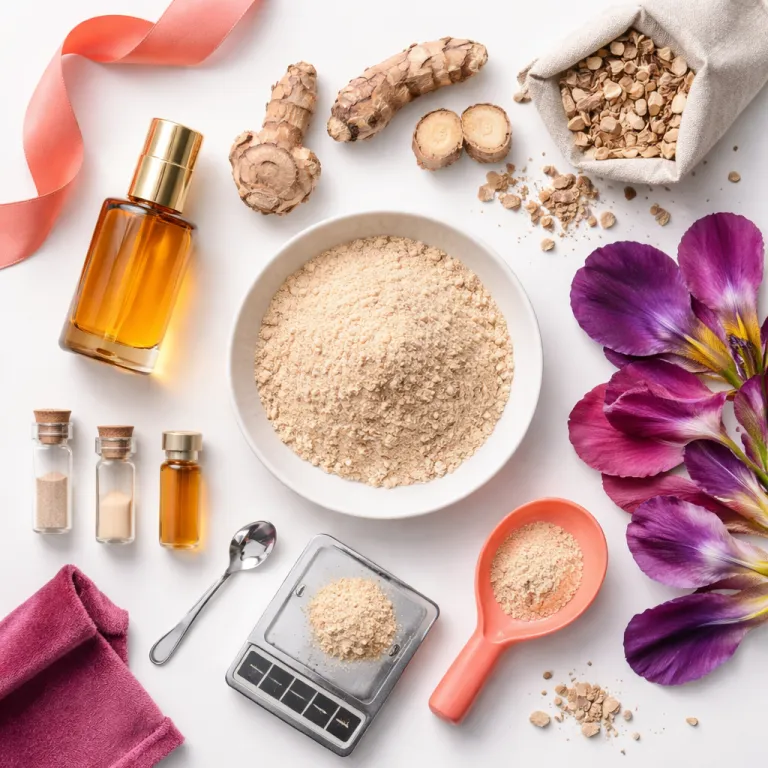
The elegant iris in your garden barely hints at its secret. Beneath the petals, the rhizome of the species Iris pallida and Iris germanica slowly concentrates the molecules that shape the most refined iris note in perfumery. This hidden architecture of the plant is where fragrance work begins, not with the fleeting flower but with the stubborn, soil bound root.
Perfumers work with orris, the dried and aged rhizome of iris, because the prized irones only develop after years of quiet oxidation. These irones are the aromatic compounds that give the iconic powdery, suede like iris smell which defines so many iris fragrances and anchors their scent profile. When you read about an iris accord in a perfume, you are really reading about a root that has waited several years to speak.
Most high grade orris root comes from Tuscan hillsides near Florence, Moroccan fields, and long tended plots around Grasse in France. Growers plant the species iris in rows, harvest the rhizomes after about three years, then dry and store them for another two to five before extraction. By the time an iris raw material reaches a perfumer’s organ, it has lived a longer pre history than almost any other floral woody ingredient in modern perfumery.
The six year wait and the price of powdery elegance
Behind every refined iris accord sits a brutal economic equation. From roughly one tonne of carefully dried orris root, distillers obtain around one kilogram of dense, waxy orris butter, the concrete like material that holds the highest concentration of irones. Industry estimates and trade reports place that kilogram of iris butter in the same price bracket as the most expensive naturals, often quoted in the tens of thousands of euros per kilo, which puts top grade iris alongside or even above some oud in the hierarchy of costly fragrance ingredients.
During the long aging, starches in the rhizome slowly transform into irones, and this chemical patience is what gives iris its unmistakable powdery and slightly woody profile. Alpha, beta, and gamma irones each contribute nuances, from cool carrot like facets to a soft violet and suede effect that makes many iris fragrances feel tailored and urbane. When a perfumer speaks of an iris note that smells expensive, they are really describing this layered irone architecture rather than any overt floral sweetness.
For growers, committing land to perfumery iris for six to eight years means tying up capital and labour with no quick return. That span covers planting, three years in the ground, then several more years of drying and storage before the rhizomes are finally processed. This is why iris cultivation remains concentrated in a few regions with deep expertise in handling this fragile crop and why natural iris in an eau parfum is often used sparingly. After aging, the rhizomes are usually steam distilled to obtain orris butter, which can then be further processed with solvents into an iris absolute for fine fragrance work.
These long cycles also create sustainability and labour pressures. Farmers must rotate crops carefully to avoid soil exhaustion, manage water use on sloping plots, and cope with fluctuating demand from luxury brands that can make or break a harvest. Seasonal workers handle planting, digging, trimming, and drying by hand, so wage costs and labour shortages directly affect the final price of an iris extract and help explain why a seemingly minimalist iris scent can feel luxurious.
For a broader context on how such raw materials shape finished compositions, a detailed guide to complex floral perfume ingredients helps frame iris alongside other iconic blooms without reducing it to marketing shorthand.
What irones actually smell like on skin
On a blotter, a concentrated iris accord can feel almost austere. The first impression is often dry, powdery, and slightly woody, with a cool, rooty iris smell that recalls pencil shavings, clean paper, and faintly buttery carrots. Give it a minute, and a more floral, violet tinged softness emerges, turning the scent profile from strict to strangely intimate.
Irones rarely shout, which is why iris fragrances often sit close to the skin yet feel textural and enveloping. In a well built floral woody composition, the iris note acts like a soft focus lens over sharper notes, blurring citrus, green, or herbal edges into a more polished fragrance profile. This is where iris violet nuances come into play, not as a literal violet flower but as a whisper of lipstick, face powder, and worn leather gloves in an old dressing room.
Perfumers often pair iris with sandalwood and amber to extend its creamy, musky trail without drowning its natural elegance. In such structures, the iris material can serve as both heart base and bridge, linking top notes of citrus or aldehydes to deeper woods and resins. If you want to see this architecture in action, reading about the layered notes in a classic marine citrus fragrance can sharpen your nose for how iris might be used in contrast rather than in the spotlight.
Five benchmark iris fragrances and how they use the note
On the mainstream side, Dior Homme remains the clearest primer on how an iris accord can feel both modern and plush. Here, the iris note leans into a cosmetic, almost lipstick like iris violet accord, wrapped in cocoa, leather, and a gentle woody base that flatters most skin. The result is a fragrance that proves iris can be sensual without shouting, and that a powdery nuance can read as tailored rather than old fashioned.
At the other extreme, Serge Lutens Iris Silver Mist is the reference point for iris purists. In this silver mist of a composition, perfumer Maurice Roucel amplifies the rooty, earthy facets of orris root, creating a perfume that feels like walking through a cold, damp iris field at dawn. Many collectors consider this perfumery iris benchmark the closest you can get to smelling a concentrated iris extract in a bottle, stripped of easy sweetness.
Chanel No. 19 uses iris as a cool, green spine, threading through galbanum and vetiver to create a flinty, almost metallic floral woody structure. Prada Infusion d’Iris, by contrast, softens the iris note with musks and citrus, giving a clean linen, eau parfum effect that still honours the natural orris profile. Heeley Iris de Nuit adds a transparent, inky twist, pairing iris with woods and a shadowy amber glow, showing how iris fragrances can feel nocturnal rather than powder room bright.
Layering, milky trends, and why iris feels quietly expensive
One reason iris has become a core textural note in contemporary perfumery is its ability to behave like fabric on skin. Layer a dry iris accord over a milky sandalwood or cashmere musk, and you get the olfactory equivalent of brushed suede over silk. This is why many iris fragrances pair so well with lactonic accords, turning the powdery facets into something that feels like warm, lived in skin rather than talc.
For layering at home, try misting a sheer eau parfum built around iris over a separate sandalwood or amber focused perfume. The iris note will often rise in the heart base, smoothing rough edges and adding a subtle violet and floral halo that reads as quietly expensive. Because iris sits between floral and woody territories, it can bridge gourmand, citrus, and even incense fragrances without clashing, especially when the underlying scent profile is not overly sweet.
If you are curious about how iris sits among other raw materials, a detailed perfume ingredients guide can help map its role alongside resins, woods, and musks. What matters most is that iris teaches patience, both to growers who wait years for orris and to perfumers who commit to a six year horizon before their perfumery iris ever reaches your wrist. When a fragrance feels inexplicably polished for its price, there is a good chance a quiet thread of iris is doing the heavy lifting in the background.
FAQ
Why does iris in perfume smell powdery rather than floral ?
Iris in perfumery comes from the aged rhizome, called orris root, not from the fresh flower. During several years of drying, starches in the rhizome transform into irones, the molecules that create a powdery, slightly woody and violet like iris smell. This is why an iris accord often feels more like fine cosmetic powder or suede than a typical floral bouquet.
Is natural iris always used, or are there synthetic alternatives ?
Because natural iris butter is extremely expensive and low yielding, many fragrances rely on synthetic irones or related aroma chemicals to recreate the iris note. High end iris perfumes may blend a small amount of natural orris with synthetics to balance cost, stability, and nuance. Fully natural iris perfumery exists, but it is rare and usually reserved for niche compositions with higher price points.
How can I recognise an iris note if I am new to fragrance ?
Look for a cool, slightly dusty, and elegant powdery effect that feels like clean paper, vintage lipstick, or soft suede. In many perfumes, the iris note appears in the heart base, emerging after the top notes fade and before the deeper woods or amber dominate. Sampling benchmarks such as Dior Homme, Prada Infusion d’Iris, or Serge Lutens Iris Silver Mist can train your nose to identify different iris profiles.
Does iris work better in men’s or women’s fragrances ?
Iris is inherently androgynous, sitting between floral and woody territories, so it works in both so called masculine and feminine fragrances. In some compositions, iris leans drier and more leathery, which often appears in men’s lines, while in others it leans more cosmetic and violet like, common in women’s launches. The most interesting iris fragrances blur this divide, using the note to create a tailored, gender neutral elegance.
Why do some iris perfumes smell carroty or earthy on my skin ?
The carrot like, earthy nuance comes from specific facets of orris root and certain irones that emphasise rooty, vegetal tones. Skin chemistry can amplify these aspects, especially if your skin tends to mute sweeter notes and highlight woods or spices. If this bothers you, try iris fragrances that are cushioned with musk, amber, or sandalwood, which can soften the rooty character and push the iris toward a more floral woody profile.