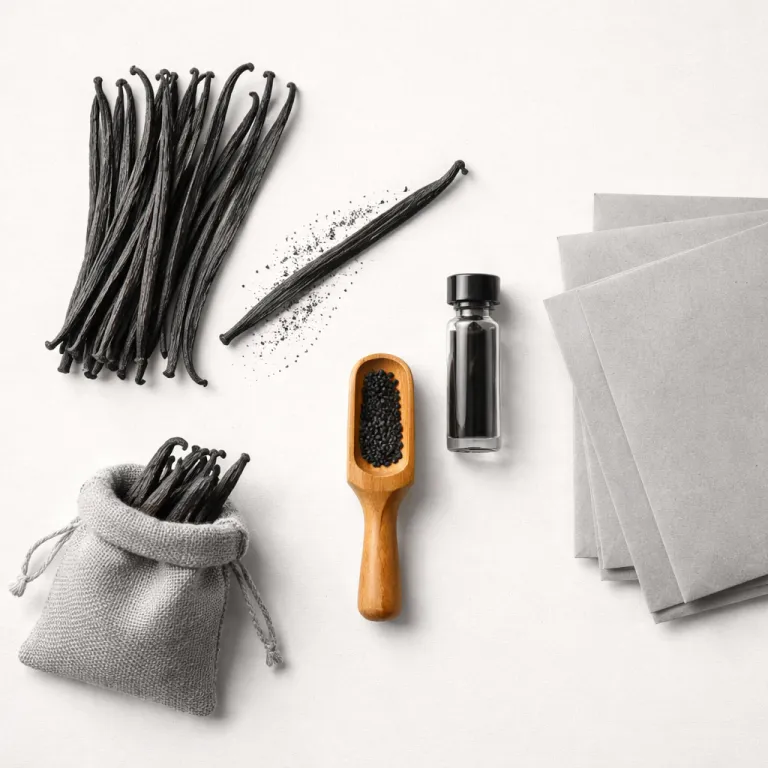

From vanilla orchid to bottle: how Madagascar vanilla becomes perfume
The story of any serious Madagascar vanilla perfume begins in a shaded plot where a fragile vanilla orchid twists around support trees. For nine brief mornings each year, each flower opens for a few hours and must be hand pollinated by skilled farmers, who then wait many months while the green pods swell, darken and finally cure into the supple vanilla beans that perfumers prize. That slow transformation is why a single spray of a rich vanilla parfum can feel like condensed labour, climate and patience on your skin.
Most of the world’s vanilla beans come from a narrow belt in northern Madagascar, where humidity, volcanic soils and coastal winds shape the final scent. After harvest, the pods are blanched, sweated, sun dried and rested for up to nine months, a ritual that coaxes out hundreds of aromatic molecules that give vanilla fragrance its warmth and depth. When you read “vanilla eau de parfum” on a box, you are often smelling this long curing process translated into a modern fragrance structure that layers top notes, heart notes and a base built for elegance and longevity.
In a finished vanilla perfume, that cured material usually sits in the base notes, anchoring lighter facets like citrus or florals. A good Madagascar vanilla perfume opens with a soft, boozy sweetness before settling into creamy, balsamic tones that cling to fabric and body care products for hours. Whether you choose an intimate vanilla eau or a more powerful eau parfum concentration, the product on your dresser is the final chapter of a story that began with a single, hand touched flower.
Why Madagascar matters: geography, history and the real cost of vanilla
Madagascar did not become the reference for vanilla fragrance by accident. Colonial trade routes, French culinary culture and the island’s microclimates converged to make “vanilla Madagascar” shorthand for quality, so perfumers still reach for it when they want a rounded, almost custard like vanilla scent. When a brand highlights Madagascar vanilla on a perfume box, it is signalling both origin and a certain essence sophistication that justifies a higher price.
Concentrating more than three quarters of global supply in one region creates fragility, though. Storms, theft from unsecured crops and farmer cash flow pressures can push growers to harvest early, which flattens the aroma profile and forces fragrance houses to adjust their formulas or their budgets. That volatility explains why two vanilla fragrances from the same brand can sit at very different price points, even when the marketing language and reviews suggest similar warmth and sweetness.
Ethical sourcing programmes are trying to rebalance this equation so that more value reaches farmers instead of disappearing along the supply chain. Initiatives from major houses aim to stabilise income, improve schooling and support local communities, which in turn protects the quality of the vanilla beans that end up in your favourite parfum. When you read that a Madagascar vanilla perfume has been highly rated by customers for both scent and values, it often reflects years of behind the scenes work rather than a simple free gift or clever campaign.
The price paradox and what “vanilla” on a label really means
Vanilla is one of the most labour intensive raw materials in perfumery, yet the word is casually printed on countless boxes. A true Madagascar vanilla perfume built on high quality absolute or CO₂ extract can consume a large share of a formula’s budget, which is why many brands blend natural vanilla with vanillin and other synthetics to balance cost and stability. When you see a very low price for a powerful vanilla fragrance, assume you are mostly smelling lab made molecules rather than a high dose of natural vanilla beans.
There is nothing inherently wrong with that choice, because vanillin and related materials give a clean, consistent vanilla scent that many rated customers actually prefer for everyday wear. Some modern fragrances use biotech vanillin derived from plant sugars, which allows brands to claim a more sustainable profile while keeping the product accessible and compatible with fast shipping orders and day delivery promises. In those cases, the label might still say “vanilla eau de parfum”, but the story behind the bottle is more about green chemistry than about a single region like Madagascar.
Reading an ingredient list will not tell you everything, yet it offers clues. If a perfume highlights vanilla orchid, vanilla eau or vanilla fragrance in the marketing copy but never mentions origin, you are probably smelling a carefully constructed illusion supported by tonka, labdanum and musks. For a deeper dive into how these base note architectures work across woods, resins and gourmands, it is worth exploring a dedicated guide to the essence of fragrance bases, which shows how perfumers build lasting warmth even when natural vanilla plays only a supporting role.
Four ways vanilla is used in real perfumes: from honest beans to clever fakes
On skin, not all vanilla perfumes behave the same, even when they share similar note lists. A Madagascar vanilla perfume that leans heavily on natural extract often opens with a slightly smoky, rum like facet before softening into a plush, almost milky trail that pairs beautifully with body care routines. In contrast, a vanilla perfume built mostly on synthetic vanillin tends to feel brighter, more linear and more “biscuit like”, which some fragrance lovers enjoy for its clarity and full refresh effect during a long day.
Then there are hybrids, where a modest dose of vanilla Madagascar absolute is wrapped in tonka, benzoin and woods to stretch the material without losing its soul. These compositions can offer excellent value, because the brand can keep the price reasonable while still delivering a vanilla scent with real warmth and elegance that earns strong reviews from both casual users and connoisseurs. A well crafted gourmand that “fakes” natural vanilla using labdanum, cocoa and musks deserves respect too, since it shows how perfumers can create the emotional impression of vanilla beans without relying on a volatile crop.
If you enjoy reading about other precious raw materials, the economics of oud provide a useful comparison, with some grades costing more than a small car for a single kilo. That same tension between rarity, cost and creativity shapes how perfumers handle vanilla, whether they are composing niche fragrances or more accessible eau parfum options for wider audiences. The artistry lies not only in the first spray but in what lingers hours later, when the base notes hum quietly on your wrist and the line between real vanilla and illusion feels pleasantly blurred.
How to shop for Madagascar vanilla perfume with ethics and elegance in mind
Standing in front of a selection full of vanilla fragrances can feel overwhelming when you are just starting your perfume journey. One bottle promises free shipping and next day delivery, another highlights Madagascar vanilla and a third leans on minimalist design and a modern, genderless image. To move beyond the noise, begin by choosing a selection based on how you want the vanilla fragrance to feel on your skin, then let ethics and budget refine the options.
Sampling is your best ally, especially when you are unsure how much sweetness or warmth you can live with every day. Many brands now offer paid samples orders that are later deducted from a full bottle price, which lets you test the spray at home, skip content heavy marketing and focus on how the parfum behaves in your real life. Pay attention to how the scent opens in the first minutes, how the vanilla eau settles after an hour and whether the drydown still feels like essence sophistication or veers into cloying territory.
If ethical sourcing matters to you, ask two direct questions whenever a brand promotes Madagascar vanilla. First, request information about the specific sourcing programme or cooperative behind their vanilla beans, rather than accepting vague language about sustainability or free community projects. Second, ask what proportion of the product’s vanilla related cost actually reaches farmers, because brands that engage seriously with these issues usually have clear données and are not afraid of a candid conversation.
FAQ
Is a Madagascar vanilla perfume always made with real vanilla beans?
Not always, even when the label highlights Madagascar vanilla prominently. Many perfumes combine a small amount of natural extract with synthetic vanillin and other notes to control cost and ensure consistent quality. The result can still smell luxurious, but it is not the same as a formula built around a high dose of natural vanilla beans.
How can I tell if a vanilla perfume uses ethically sourced Madagascar vanilla?
Look for clear information about sourcing programmes, cooperatives or long term partnerships with farmers in Madagascar, not just generic sustainability claims. Brands that invest in ethical sourcing usually share details about community projects, income improvements and traceability. If this information is missing, you can email customer service and ask directly about their vanilla supply chain.
Why do some vanilla fragrances smell creamy while others smell sugary?
Creamy vanilla scents often rely on natural extracts blended with woods, musks and resins, which create a rounded, almost milky impression. Sugary vanilla fragrances tend to use higher levels of vanillin and sweet gourmand notes like caramel or praline. Both styles can be beautiful, so the choice depends on whether you prefer subtle warmth or a more dessert like profile.
Are synthetic vanilla notes worse for the environment than natural vanilla?
The answer is nuanced, because both options have trade offs. Natural vanilla supports farming communities but depends on fragile ecosystems and can drive deforestation if demand spikes. Biotech vanillin from plant sugars can reduce pressure on land and offer more stable supply, yet it still requires energy and industrial processes, so the overall impact depends on how each material is produced.
What is the best way to wear a Madagascar vanilla perfume every day?
Apply one or two sprays on pulse points like wrists and the base of the neck, then wait a few minutes before judging the scent. Vanilla based perfumes often bloom with body heat, revealing their warmth and complexity over several hours. For a softer effect, you can layer a lighter vanilla body care product underneath and reserve the stronger parfum for evenings.