
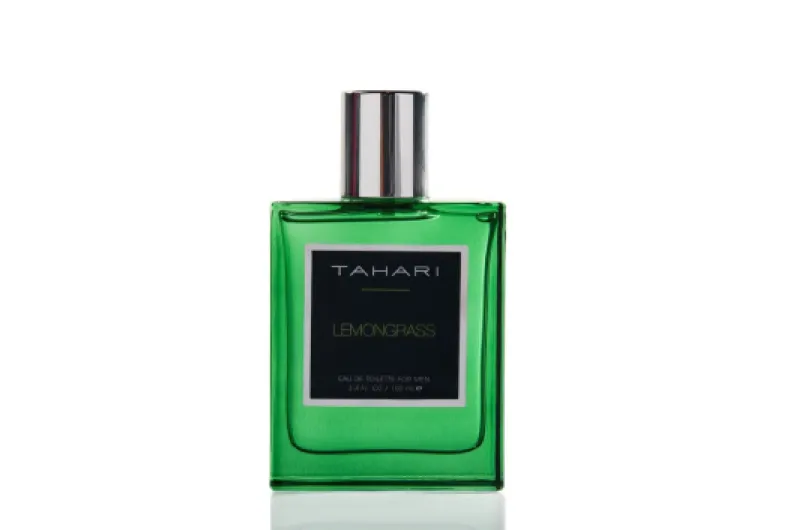
Understanding the aromatic profile of lemongrass perfume
The Vibrant Character of Lemongrass in Perfumery
Lemongrass has become a star ingredient in the world of fragrance, celebrated for its invigorating, citrus notes and unmistakable green freshness. Extracted primarily from the tall, aromatic grass native to regions like Sri Lanka and Southeast Asia, lemongrass essential oil is prized for its clean, uplifting scent profile. This essential oil is a staple not only in perfumes but also in a wide range of personal care products, from hand soap to skin loving body oils.
The aroma lemongrass brings to a fragrance is both sharp and refreshing, with a zesty lemon-like quality that is less sweet and more herbal than traditional citrus. Its essential oils are often described as having a sparkling, almost effervescent effect, making them a favorite among those seeking a natural, phthalate free option in their daily care routines. The scent is also known for its ability to cut through heavier notes, adding clarity and brightness to oil blends and finished fragrances.
- Natural Ingredients: Lemongrass essential oil is often sourced from small businesses and sustainable farms, with a focus on clean, skin friendly production methods.
- Versatility: The lemongrass scent adapts well to both niche and mainstream perfume products, offering a fresh twist in everything from soaps to body care.
- Customer Reviews: Many fragrance lovers in the United States and beyond praise lemongrass scented products for their invigorating and mood boosting qualities.
What sets lemongrass apart from other citrus notes is its subtle earthiness and the way it interacts with other natural ingredients like jojoba seed oil. Its essential oil is often used in oil blends to create a balanced, long lasting effect on the skin. For those interested in the broader context of floral and green notes in perfumery, exploring the most masculine floral essential oils for fragrance lovers can provide further insight into how lemongrass fits into the evolving landscape of modern fragrances.

Why fragrance lovers are drawn to lemongrass
What draws fragrance lovers to lemongrass?
Lemongrass has become a star in the world of fragrance, and it’s easy to see why. The lemongrass scent is instantly recognizable—fresh, green, and citrusy, with a clean, invigorating character. For many, it’s not just about the aroma lemongrass brings, but the entire experience it creates. Lemongrass essential oil, widely used in personal care products, hand soap, and body oils, has a reputation for uplifting the senses and refreshing the skin. Its popularity in the United States and beyond is reflected in glowing customer reviews and the growing number of skin loving, phthalate free, and natural ingredients-based products featuring lemongrass fragrance.
- Invigorating effect: The citrus notes in lemongrass essential oil are known for their energizing and mood-boosting qualities. Many fragrance lovers seek out lemongrass scented products for a burst of freshness that feels both clean and sophisticated.
- Versatility: Lemongrass works beautifully in oil blends, pairing well with other essential oils and natural ingredients like jojoba seed oil. This versatility makes it a favorite for both niche and mainstream perfume brands, as well as small business artisans.
- Clean and green appeal: The green, crisp profile of lemongrass fragrance appeals to those who want a scent that feels pure and uncomplicated. It’s often associated with products that are free from harsh chemicals, aligning with the trend toward clean beauty and personal care.
- Global inspiration: Lemongrass essential is sourced from places like Sri Lanka, adding an exotic touch and a sense of authenticity to the product. This global connection resonates with fragrance lovers who appreciate the story behind their favorite oils and perfumes.
For those interested in the deeper olfactory and cultural context of unique fragrance ingredients, exploring the scent of myrrh offers another fascinating perspective on why certain aromas captivate the senses. Lemongrass, with its bright and uplifting profile, continues to win over fragrance enthusiasts who crave both performance and purity in their skin and body care routines.
Pairing lemongrass with other fragrance notes
How lemongrass transforms fragrance blends
Lemongrass is a star ingredient in the world of fragrance, thanks to its invigorating citrus notes and green, slightly herbaceous aroma. When perfumers work with lemongrass essential oil, they often seek to highlight its uplifting, clean character while balancing its sharpness with complementary notes. This approach is seen in both niche and mainstream products, from body care to hand soap, and even in luxury perfumes.
Pairing lemongrass with other fragrance notes is both an art and a science. Its zesty, lemony scent profile is versatile, making it a favorite for oil blends and skin loving personal care products. Here’s how lemongrass interacts with other elements in a fragrance composition:
- Woody notes: Sandalwood, cedar, and vetiver can ground the brightness of lemongrass, adding depth and longevity to the scent.
- Floral notes: Jasmine, rose, and lavender soften the sharpness of lemongrass, creating a more rounded and approachable fragrance.
- Spices: Ginger, cardamom, and black pepper add warmth and complexity, making the lemongrass scent feel more sophisticated.
- Other citrus: Lemon, lime, and bergamot amplify the fresh, clean aspects, resulting in an invigorating lemongrass experience.
- Herbal notes: Basil, mint, and rosemary enhance the green, aromatic qualities of lemongrass, perfect for products aiming for a natural, phthalate free profile.
Many customer reviews highlight how lemongrass scented products, especially those made with natural ingredients and essential oils, feel refreshing and energizing on the skin. Brands, including small businesses in the United States and Sri Lanka, use lemongrass essential oil in soaps, body care, and perfumes to deliver a clean, uplifting effect. The inclusion of jojoba seed oil or other nourishing oils in these blends can further enhance the skin loving benefits.
For those interested in exploring how lemongrass can shine in a sophisticated blend, this review of Creed Millesime Imperial offers insights into how citrus and green notes, including lemongrass, are expertly balanced in high-end fragrances.
Ultimately, the versatility of lemongrass fragrance makes it a favorite for those seeking clean, invigorating aromas in both personal care and fine perfume. Whether you’re drawn to its essential oil purity or its role in complex blends, lemongrass continues to captivate fragrance lovers worldwide.
Lemongrass in niche and mainstream perfumery
Lemongrass: From Artisan to Everyday Fragrance
Lemongrass has found a unique place in both niche and mainstream perfumery, thanks to its vibrant, green, and citrus notes. The essential oil extracted from lemongrass is celebrated for its clean, invigorating aroma, making it a star ingredient in a wide range of products. Whether you are exploring a luxury niche perfume or a popular hand soap, the lemongrass scent stands out for its versatility and appeal.
In the world of niche fragrances, lemongrass essential oil is often paired with natural ingredients like jojoba seed oil or blended with other essential oils to create sophisticated, skin-loving compositions. These small business creations often highlight the purity of lemongrass, emphasizing phthalate-free formulas and eco-conscious sourcing, sometimes even tracing the origin back to places like Sri Lanka. Customer reviews frequently praise these products for their unique, uplifting aroma lemongrass profile and the way they enhance personal care routines.
Mainstream perfumery, on the other hand, has embraced lemongrass for its broad appeal. You’ll find lemongrass fragrance in body care, soap, and oil blends, often marketed as invigorating and suitable for daily use. The essential oil’s fresh, clean character makes it a favorite for those seeking products that feel both natural and effective. In the United States, lemongrass scented products are popular not only for their fragrance but also for their reputation as skin-friendly and free from harsh additives.
- Niche perfumes: Focus on artisanal blends, often using lemongrass essential oil for its purity and distinctiveness.
- Mainstream products: Feature lemongrass scent in a variety of personal care items, from hand soap to body oils, appealing to a wide audience.
- Natural ingredients: Both sectors highlight the use of natural, skin-loving components, responding to consumer demand for clean and effective products.
Whether you read reviews for a boutique lemongrass fragrance or explore a widely available lemongrass scented soap, it’s clear that this essential oil has become a staple in modern perfumery. Its ability to bridge the gap between luxury and everyday care makes it a true star in the fragrance world.
The sensory and emotional impact of lemongrass perfume
The Sensory Experience of Lemongrass Perfume
Lemongrass fragrance is instantly recognizable for its invigorating, green, and citrus notes. The essential oil extracted from lemongrass is prized in perfumery for its ability to awaken the senses and provide a clean, uplifting aroma. Many fragrance lovers describe the lemongrass scent as both refreshing and energizing, making it a popular choice in personal care products, body oils, and even hand soap. Its crisp, lemony profile stands out in a world of sweet or heavy perfumes, offering a unique sensory experience that feels both natural and modern.
Emotional Resonance and Wellbeing
Beyond its scent, lemongrass essential oil is often associated with feelings of clarity and positivity. Customer reviews frequently mention how lemongrass scented products help create a sense of calm and focus, whether used in a skin loving body oil or a phthalate free soap. The aroma lemongrass brings is not just about smelling good; it’s about feeling good. For many, the fragrance evokes memories of clean spaces, fresh starts, and even travel to places like Sri Lanka, where lemongrass is a star ingredient in both cuisine and traditional care routines.
Lemongrass in Daily Rituals
Incorporating lemongrass fragrance into daily life can be as simple as choosing a lemongrass scented hand soap or as indulgent as wearing a niche lemongrass perfume. Many small businesses in the United States and beyond craft products with natural ingredients, blending lemongrass essential oil with jojoba seed oil or other essential oils for a skin loving, clean experience. These products are often free from harsh chemicals, making them a favorite among those seeking green, phthalate free options for personal care.
- Invigorating lemongrass oil blends are used in aromatherapy for their mood-boosting effects.
- Lemongrass fragrance is a popular choice in body care products for its fresh, clean scent.
- Customer reviews highlight the lasting impression of lemongrass essential oil in both mainstream and niche fragrances.
Whether you read about lemongrass in product reviews or experience it firsthand, its impact on the senses and emotions is undeniable. The essential oil’s ability to blend seamlessly with other oils while maintaining its distinctive character makes it a true star in the world of fragrance and personal care.
Tips for choosing and wearing lemongrass perfume
How to Select a Lemongrass Perfume That Suits You
Choosing the right lemongrass fragrance can be a refreshing journey. The lemongrass scent is known for its invigorating, green, and citrus notes, making it a star ingredient in both niche and mainstream perfumes. When selecting a lemongrass perfume, consider these practical tips:
- Check the ingredient list: Look for natural ingredients like lemongrass essential oil or oil blends. Products labeled as phthalate free and made with skin loving oils such as jojoba seed oil are often gentler on the skin.
- Read customer reviews: Insights from other fragrance lovers in the United States and beyond can help you gauge the longevity, projection, and overall quality of the perfume. Reviews often mention if the lemongrass fragrance leans more citrus or green, or if it blends well with other notes.
- Sample before you commit: Many small businesses and niche brands offer sample sizes or discovery sets. This allows you to test how the lemongrass aroma interacts with your body chemistry and personal care routine.
- Consider the product type: Lemongrass scented products are available as perfumes, body oils, hand soap, and even soap bars. If you love layering, try combining a lemongrass essential oil with a matching body care product for a longer-lasting scent.
- Look for origin and quality: Lemongrass essential oils from regions like Sri Lanka are highly prized for their purity and vibrant aroma. High-quality oils tend to deliver a more authentic and invigorating lemongrass experience.
Making the Most of Your Lemongrass Scent
To enjoy the full sensory and emotional impact of lemongrass, apply perfume to clean, moisturized skin. Layering with lemongrass scented body care products can enhance the fragrance and make it last longer. If you prefer a more subtle effect, try a lemongrass oil blend or a soap with natural ingredients. Remember, the fresh and uplifting character of lemongrass fragrance works beautifully in warm weather and energizing routines.
Whether you are new to lemongrass or a longtime fan, exploring different lemongrass products—from essential oils to hand soap—can help you find your signature scent. Always choose reputable brands, especially those that focus on clean, skin loving formulas and transparent sourcing. Your journey with lemongrass perfume is as much about personal expression as it is about care for your skin and senses.