

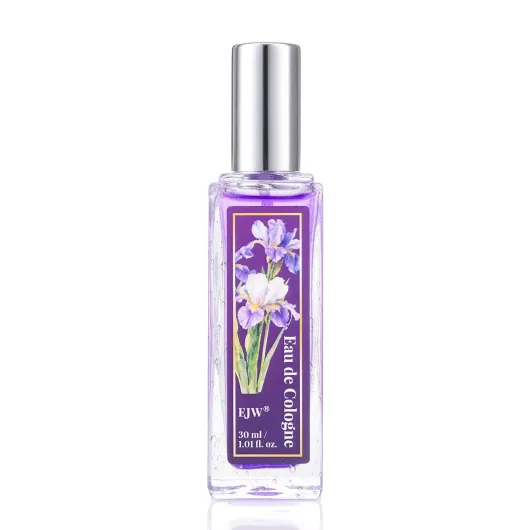
Understanding the violet note in perfumery
Violet’s Place in the Perfume World
Violet is a note that has charmed perfume lovers for generations. When we talk about the violet note in perfumery, we’re not just referring to the flower itself, but to a whole family of scents and impressions. The violet note can evoke memories, open a window to nostalgia, and bring a sense of delicate beauty to a fragrance. It’s a note that’s both pretty and complex, often described as sweet, powdery, and slightly green. But what exactly makes violet so special in perfumes?
In the world of fragrance, violet can be found in many forms. Sometimes it’s the soft, floral scent of violette, reminiscent of parma violet candies or a bouquet of fresh violets. Other times, it’s the crisp, leafy aspect of violet leaf, which brings a green, almost aquatic freshness to a scent. This versatility allows perfumers to use violet in a wide range of creations, from classic floral perfumes to modern, unisex scents.
Violet’s role is not limited to being a solo star. It often shares the stage with other notes, such as rose or iris, adding depth and a touch of sweetness. The note can be found in iconic perfumes from houses like Guerlain and Serge Lutens, as well as in niche creations from scent studios like Sonoma Scent Studio. Whether you love the powdery elegance of Apres L’Ondee or the boldness of a modern violet fragrance, there’s a lot to explore in the world of violet scents.
For those interested in how violet fits into the broader landscape of floral notes, you might enjoy reading about the allure of jasmine in modern cologne. Like violet, jasmine is a beloved floral note that brings its own unique character to perfumes.


How violet smells: key scent characteristics
When a Window Opens: The First Impression of Violet
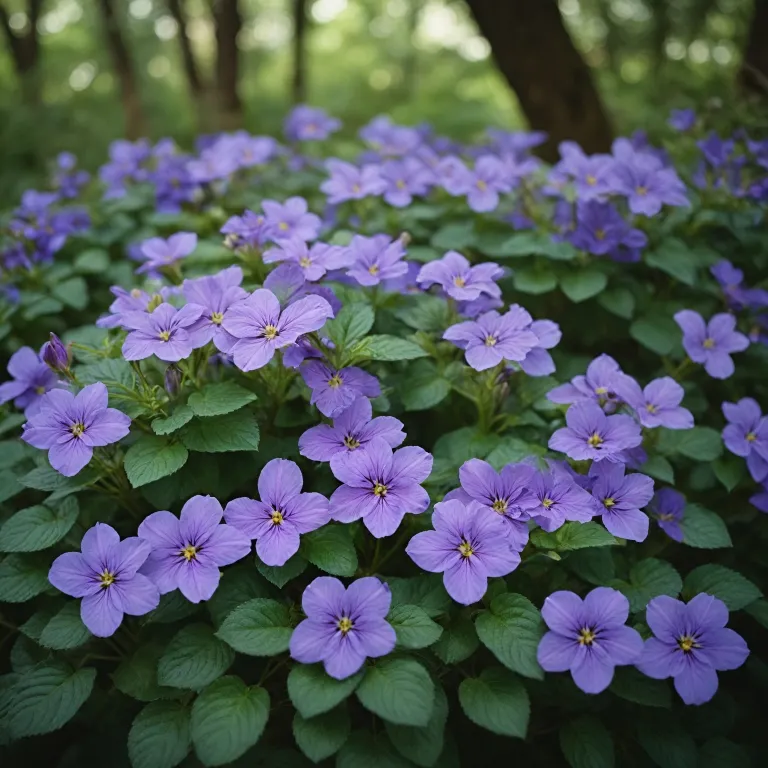
Imagine opening a window on a spring morning and catching the subtle, powdery sweetness of violets drifting in. The violet scent is delicate, yet unmistakable. It’s not loud or overwhelming, but rather soft and inviting, like a gentle floral breeze. This note in perfumes often brings to mind the nostalgic aroma of parma violet candies, blending a sweet, almost candied facet with a fresh, green undertone. The result is a scent that feels both pretty and comforting, never cloying.
Key Scent Characteristics: Sweet, Powdery, and Green
- Sweetness: Violet notes in perfumes are often described as sweet, but not in a sugary way. It’s a refined sweetness, reminiscent of violette pastilles or a soft floral bouquet.
- Powdery Touch: One of the most recognizable aspects of violet is its powdery quality. This gives many violet perfumes a vintage, almost classic feel, similar to the scent of old-fashioned cosmetics or a freshly opened box of face powder.
- Green Nuance: Alongside the floral and sweet elements, there’s a subtle green freshness. This comes from the violet leaf, which adds a crisp, slightly earthy dimension to the overall scent profile.
How Violet Differs from Other Florals
Unlike the boldness of rose or the headiness of tuberose, violet is more understated. It shares some similarities with iris and mimosa, but stands out for its unique powdery and green facets. Many fragrance lovers find violet to be a comforting, almost nostalgic note, evoking memories of classic perfumes and vintage beauty products.
For those curious about how violet interacts with other aromatic notes, exploring the aromatic dance of lavender and peppermint can offer insight into the art of blending soft florals with fresh, herbal elements.
Violet in Modern and Classic Perfumes
Violet scents appear in a wide range of perfumes, from iconic classics like Apres L’Ondee and Guerlain Insolence to modern interpretations by niche brands such as Sonoma Scent Studio and Tom Ford. Whether featured as the star note or as a supporting player, violet adds a touch of elegance and nostalgia to any fragrance composition. Many fragrance enthusiasts share a love for violet perfumes, often citing their favorite violet as a signature scent or a cherished part of their collection.
Natural violet versus synthetic violet
Natural versus lab-created violet: what’s in your bottle?
When you fall in love with a violet perfume, you might wonder: is this delicate, powdery scent coming from real violets, or is it something crafted in a lab? The answer is both fascinating and a bit technical, but it’s key to understanding why violet scents in perfumes feel so unique.
Natural violet flowers, especially the beloved viola odorata, have a beautiful, sweet, and slightly green aroma. But here’s the twist: extracting the true scent from violet petals is nearly impossible. The natural oil yield is tiny, making it rare and expensive. Instead, most perfumes use violet leaf absolute, which brings a green, crisp, almost cucumber-like note, quite different from the powdery floral scent people often associate with violette.
To capture that classic, powdery violet fragrance, perfumers rely on synthetic molecules, mainly ionones and methyl ionones. These lab-created notes mimic the soft, sweet, and slightly woody character of violet petals. They’re what give iconic violet perfumes their signature “window opens” freshness and nostalgic charm. This approach also allows for more creativity and consistency in scent studio formulations, letting perfumers share opens and blend violet with other notes like rose, iris, or even gourmand accords.
- Natural violet leaf: Green, crisp, fresh, sometimes earthy. Found in niche scents and some modern interpretations.
- Synthetic violet (ionones): Powdery, sweet, floral, with a touch of woodiness. The backbone of classic violet perfumes like Apres L’Ondee and Voile Violette.
Some favorite violet perfumes blend both natural and synthetic notes, creating a multi-faceted experience. For example, you’ll find violet leaf in contemporary fragrances from scent houses like Sonoma Scent Studio, while classic powdery violette notes shine in creations from Guerlain and other heritage brands. Modern violet scents from Tom Ford or Frederic Malle often play with both aspects, offering a fresh take on what violet smells like.
It’s this interplay between nature and science that keeps violet fragrances so intriguing. Whether you’re drawn to the green, dewy side or the sweet, nostalgic powder, there’s a violet perfume for every mood. If you’re curious about how rare and refined ingredients shape the world of perfumes, you might enjoy reading about platinum fragrances and their allure.
Violet in iconic perfumes
Violet’s Signature in Legendary Perfumes
Violet has left a delicate yet unforgettable mark on the world of perfume. Its scent, sometimes powdery, sometimes sweet and green, has inspired some of the most beloved fragrances. If you love the idea of a scent that is both nostalgic and modern, violet perfumes offer a window into perfumery’s rich history and creative present.- Apres L’Ondee – This classic perfume is often cited as the gold standard for violet lovers. Its blend of violet, iris, and anise creates a dreamy, almost ethereal floral scent. The violet note here is soft, powdery, and beautifully balanced by a touch of sweetness and a hint of green.
- Guerlain Insolence – A bold, contemporary take on the violet fragrance. This scent opens with a burst of parma violet and red berries, giving it a playful, almost candy-like quality. The heart is all about violette, with a creamy, sweet, and slightly woody finish. If you want a violet perfume that feels modern and vibrant, this is a favorite violet for many.
- Serge Lutens Bois de Violette – Here, violet is paired with woods, creating a scent that is both floral and earthy. The violet note is unmistakable, but it shares the stage with cedar and plum, making it a complex and sophisticated choice for those who like their floral scents with depth.
- Frederic Malle Dans Tes Bras – This perfume takes violet in a more abstract direction, blending it with musk, sandalwood, and heliotrope. The result is a scent that is both intimate and enveloping, with the violet note adding a pretty, powdery touch.
- Sonoma Scent Studio Voile de Violette – For those who love a green, fresh take on violet, this perfume highlights the leafy, almost dewy side of the flower. The violet leaf note is prominent, giving the scent a crisp, natural feel that’s perfect for spring.
- Tom Ford Violet Blonde – A luxurious and glamorous interpretation, this perfume combines violet with iris, musk, and woods. The result is a scent that is both elegant and sensual, with the violet note adding a soft, powdery sweetness.
Pairing violet with other fragrance notes
Perfect Partners: Notes That Enhance Violet
Violet is a versatile note in perfume, often described as sweet, powdery, and slightly green. Its unique scent profile allows it to blend beautifully with a variety of other fragrance notes, creating perfumes that are both complex and memorable. Here’s how violet interacts with other notes to create some of the most beloved violet perfumes.- Rose: The classic pairing. Violet and rose together create a soft, romantic floral heart. This combination is found in many iconic scents, lending a pretty, almost vintage elegance.
- Orris and Iris: These notes share a powdery, slightly earthy quality with violet. When combined, they amplify the soft, cosmetic feel that many love in violet perfumes.
- Green Notes: Violet leaf, in particular, brings a crisp, leafy freshness that balances the sweetness of violette. This green edge can make a perfume feel like a window opens onto a spring garden.
- Fruity Accords: Notes like raspberry or plum add a juicy, playful twist to violet, as seen in some modern scents. This pairing keeps the fragrance lively and youthful.
- Woods and Musk: To ground the floral sweetness, perfumers often add sandalwood, cedar, or soft musks. This creates a creamy, long-lasting base that lets the violet note linger beautifully.
Why fragrance lovers are drawn to violet
Why the Violet Note Captivates Fragrance Lovers
There’s something undeniably enchanting about the violet note in perfumes. For many fragrance enthusiasts, violet opens a window to a world that feels both nostalgic and modern. The scent of violets is delicate, powdery, and sweet, often carrying a soft green undertone that adds freshness. This unique blend of floral and green makes violet scents stand out in a crowded perfume landscape.
Violet perfumes, like Après L’Ondée or Guerlain Insolence, have a reputation for being both comforting and sophisticated. The violet note can evoke memories of parma violet candies, or the gentle aroma of violette flowers after rain. For some, it’s the pretty, almost ethereal quality that draws them in; for others, it’s the way violet shares the stage with notes like rose, iris, or even violet leaf, creating a scent that is layered and intriguing.
- Versatility: Violet pairs beautifully with a lot of other notes, from sweet florals to crisp green accords. This makes it a favorite for those who love to explore different scent profiles.
- Timelessness: Iconic perfumes from houses like Guerlain and Serge Lutens have featured violet for decades, proving its lasting appeal.
- Modern interpretations: Brands such as Tom Ford and Sonoma Scent Studio have reimagined violet, blending it with unexpected notes for a contemporary twist.
Many fragrance lovers share a passion for violet because it’s both familiar and surprising. Whether you’re drawn to the powdery softness of voile violette, the green freshness of violet leaf, or the sweet nostalgia of classic violet scents, there’s a violet perfume for every mood. The note’s ability to evoke emotion and memory is a big part of why it remains a staple in scent studios and personal collections alike.
| Violet Perfume | Key Notes | Why It’s Loved |
|---|---|---|
| Après L’Ondée | Violet, iris, anise | Soft, powdery, nostalgic |
| Guerlain Insolence | Violet, raspberry, orange blossom | Sweet, playful, modern |
| Serge Lutens Bois de Violette | Violet, cedar, plum | Woody, mysterious, elegant |
| Frederic Malle Dans Tes Bras | Violet, musk, sandalwood | Warm, intimate, unique |
For those who love to discover new favorites, exploring violet fragrances is like opening a window to endless possibilities. Whether you prefer your violet scent sweet, green, or powdery, there’s a lot to love in this timeless note.