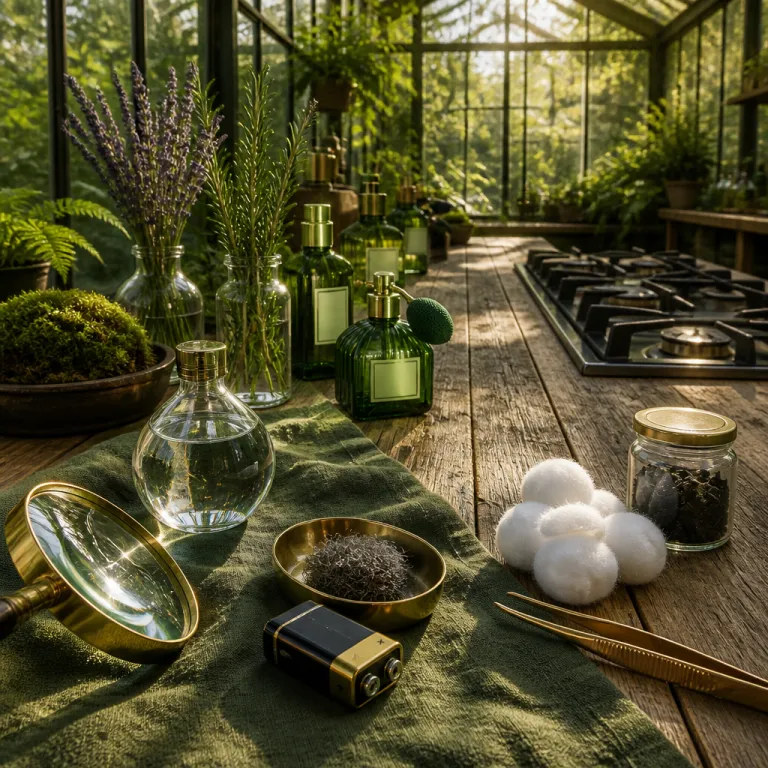
When fragrance matters most: elegant ways to light a candle without a lighter or match
For a perfume lover, a scented candle is not just a candle. It is a curated fragrance object that extends your personal olfactory wardrobe into the air and shapes the mood of a room. Knowing how to light a candle without a lighter or match protects that ritual when tools fail and helps you keep your ambience consistent.
Before you try any alternative flame source, trim the candle wick to about 0.5 centimetre (approximately 0.2 inch) so the flame stays clean and controlled. This simple step reduces soot, preserves the perfume oils, and gives you more time to enjoy the composition as the candle light slowly releases top, heart, and base notes. Treat each of your candles as you would a fine extrait, and you will quickly see which technique works best for both safety and scent quality.
Always place the candle glass on a stable, heat resistant surface before you explore any method of ignition without lighter tools or matches. Keep flammable paper, perfume boxes, and fabric at least 30 centimetres (around 12 inches) away from the flame zone to protect your collection. If a candle does not behave as expected or the wax overheats, extinguish it immediately and end that burn session rather than risk damaging your fragrances or your space.
Using household heat and light to protect scented candles
One of the most controlled ways to light a candle without a lighter or match uses a heating element from your home. Many fragrance lovers already own electric tools whose metal tip or coil can ignite a candle wick when handled carefully and kept at a safe distance from perfume bottles. The goal is to apply just enough heat to start melting and lighting candle wax while keeping the scented composition intact.
Important safety note: The National Fire Protection Association (NFPA) advises keeping anything that can burn at least 30 centimetres (about 12 inches) away from heat sources and open flames. Their candle safety overview also stresses never leaving a burning candle unattended and keeping children and pets away from flame. Always unplug electrical devices before moving them, use heat resistant gloves or tongs, and stop immediately if you smell scorching or see uncontrolled smoke.
If you use a metal kitchen element such as a stovetop coil, first remove nearby candles and alcohol based sprays so only the single candle you intend to burn remains close. Warm a thin metal tool, like a skewer, on the heating element for a short time, then carry it with tongs and gently touch candle wick fibres until they catch. This method should be treated as a last resort and works best when the candle glass is thick and the wax pool is at least one centimetre deep, because the fragrance oils then diffuse slowly and evenly.
Hair straighteners and electric coil diffusers can also provide a controlled heating element when you have no lighter or matches available. Clamp a small piece of folded paper in the plates, heat it for a brief time, and once it begins to smoke, move it away from the device and use that light paper ember to light candle wax. Always keep the hot item far from reed diffusers, room sprays, or any clutter, and never leave the long cable or device resting against the candle glass while the flame develops.
For readers who enjoy layering room fragrance, pairing a gently warmed scented candle with a natural reed diffuser can create a sophisticated atmosphere. When you already know how to light a candle without a lighter or match, you can confidently coordinate this with a natural reed diffuser ritual to maintain a constant yet nuanced scent cloud. This harmony between flame and passive diffusion keeps your favourite accords present without overwhelming the nose.
Battery and foil techniques for controlled candle ignition
When you understand electricity, a simple battery and foil arrangement can become a precise tool for lighting candle wicks. This method is especially useful for fragrance enthusiasts travelling with candles who suddenly realise they have packed no lighter or matches in their weekend scent kit. The key is to respect the heat generated at the ends of the battery and keep perfume items at a safe distance.
Warning: Improvised electrical methods carry a burn and fire risk and should be treated strictly as a last resort. Use only intact batteries, avoid contact with skin, and stop immediately if the battery becomes hot, leaks, or emits an odour. Place all components on a non conductive, non flammable surface and keep children and pets away.
Take a long battery, such as an AA or 9 volt, and prepare a narrow strip of aluminium foil or thin metal coated paper. Fold the strip lengthwise to create a battery fold that is strong yet flexible, then fold half of it again so the centre becomes the thinnest point where the heating element will form. When you connect both ends of the battery to each end of this foil bridge, electrical resistance will focus light and heat in the narrow middle section.
As the foil glows, move the candle glass close enough so that the bright point can touch candle wick fibres without brushing the wax surface. This focused light paper ember can light candle wax in a few seconds, giving you a steady flame for your fragrance ritual without lighter tools or conventional matches. Once the candle is burning, immediately remove the hot item, place the battery on a non conductive surface, and allow the foil to cool fully before discarding it away from any candles or fragrance packaging.
For perfume lovers who curate travel rituals, mastering this battery fold technique means you can still enjoy a favourite hotel room candle even when the front desk cannot provide a match. Combine this knowledge with a carefully chosen travel scent kit from a specialist retailer, such as the options discussed in a weekend away scent kit guide, and your olfactory experience remains uninterrupted. The more you practise safe ways to light a candle without a lighter or match, the more confidently you can design atmospheric stays anywhere.
Harnessing natural light with a magnifying glass for scented ambience
Sunlight can become a refined tool for fragrance lovers who want to know how to light a candle without a lighter or match in a calm, almost ceremonial way. Using a magnifying glass to focus light onto a candle wick feels slower than a quick strike of matches, yet it offers a contemplative moment before the scent unfolds. This approach suits those who treat lighting candle wax as part of a mindful perfume ritual.
Choose a clear, sunny spot near a window where the candle glass can rest on a stable surface away from direct drafts. Hold the magnifying glass between the sun and the candle wick, adjusting the distance until you see a small, bright circle of focused light on a tiny strip of wick fibres. When you maintain this focused light point for enough time, the concentrated energy will heat the wick, darken it, and eventually light candle threads into a gentle flame.
Some fragrance enthusiasts prefer to start with a small piece of dark paper placed over the wick, using the magnifying glass to light paper first before transferring the ember to the candle wick. This two step method can work best when the wax is pale or the wick is very short, because the darker element absorbs more energy and ignites faster. Once the paper glows, carefully touch candle wick fibres with the ember, then remove any remaining paper so it does not fall into the scented wax pool.
Because this technique depends on a natural lighting element, it may not suit every time of day or every climate. Still, for those who enjoy slow perfumery rituals, using a magnifying glass to light candles can become as cherished as choosing the right eau de toilette from a curated selection of refined EDT fragrances. The shared theme is control, patience, and respect for how light and heat reveal aromatic complexity.
Protecting perfume quality while lighting candles in unconventional ways
Every method for lighting candle wicks without lighter tools or matches must respect the integrity of the fragrance oils. Excessive heat, soot, or burnt paper can easily distort a carefully composed accord, especially in candles that share notes with your favourite perfumes. The aim is always to light a candle without a lighter or match while keeping the air as clean as possible.
When using flint based tools, improvised strike surfaces, or heated metal items, position the flame so it touches candle wick fibres directly rather than the wax or surrounding glass. This reduces the risk of scorching the wax surface, which can trap smoke and alter the way the fragrance diffuses over time. If you must use light paper as an intermediary, keep the ember small and remove any ash before it falls into the wax pool.
Fragrance collectors often keep multiple candles in one area, but only the candle in active use should remain near any heating element at a given moment. Move other candles, reed diffusers, and alcohol based sprays at least 30 centimetres (around 12 inches) away from the working zone before you begin lighting candle wax. This habit not only protects your collection from accidental heat damage, it also prevents competing scent plumes from muddling the carefully designed profile of the candle you have chosen.
Over time, you will learn which ways to light a candle work best for each vessel, wax type, and fragrance strength. A thick glass container may tolerate a slightly longer preheating time, while a delicate thin walled votive demands a quicker, gentler touch candle approach. Treat each lighting method as part of your overall fragrance care routine, just as you already manage perfume storage, rotation, and skin application with intention.
Perfume storage, candle care, and the art of safe ambience
For people who adore fragrance, perfume storage and candle care are two sides of the same ritual. You would never leave a rare extrait in direct sun, and the same respect should guide how you position candles before and after you light them without lighter tools or matches. Thoughtful placement preserves both the scent and the safety of your space.
Store candles in a cool, dry cupboard away from heating element sources, so the wax and embedded fragrance oils remain stable over time. Keep them upright, with the candle wick protected by a lid or dust cover, and avoid stacking heavy item boxes on top of delicate candle glass. When you are ready for lighting candle rituals, bring only the chosen candle into your main fragrance area and leave the rest in storage to reduce clutter and risk.
Many collectors arrange their perfumes and candles together, but it is wiser to separate open flames from alcohol based sprays by at least 60 centimetres (roughly 24 inches). If you use a battery and foil method, a magnifying glass, or any other way to light a candle without a lighter or match, complete the ignition first, then move your perfumes back into place once the flame has stabilised. This sequence ensures that any accidental spark, flint fragment, or hot paper ember never reaches your treasured bottles.
Over the long term, combining careful perfume storage with refined ways to light candles deepens your appreciation of scent as a full environment rather than a single product. You begin to notice how the time of day, the strength of the flame, and even the thickness of the candle glass influence how accords unfold in the air. That awareness turns every lighting candle moment into a deliberate act of olfactory design rather than a casual habit.
Key figures and safety statistics for candle use in scented spaces
- According to the National Fire Protection Association (NFPA), U.S. fire departments responded to an estimated average of 7,400 home structure fires started by candles per year between 2015 and 2019, which highlights why any method for lighting candle wicks without lighter tools or matches must prioritise safety.
- NFPA data also indicate that 37% of home candle fires start in bedrooms, a space where many fragrance lovers also store perfumes, so separating open flames from perfume storage areas by at least 60 centimetres (about 24 inches) significantly reduces combined risk.
- Several large European home insurance providers report that unattended candles are a recurring factor in fire claims, which is why experts recommend limiting each burn session to two or three hours and extinguishing the flame before leaving the room.
- Studies on scented candle emissions published in indoor air quality journals suggest that well formulated candles burned with a properly trimmed wick (around 0.5 centimetre or 0.2 inch) produce less soot and fewer volatile by products than poorly maintained candles, directly affecting indoor air quality for perfume enthusiasts.
- Consumer surveys conducted by European fragrance and homeware associations indicate that more than half of fragrance enthusiasts use candles at least three times per week, underlining the importance of mastering safe, controlled ways to light a candle without a lighter or match when conventional tools are unavailable.
FAQ: lighting scented candles safely without a lighter or matches
Is it safe to use a battery and foil to light a scented candle ?
Using a battery and foil can be relatively safe if you understand how resistance creates heat and you keep the hot element away from flammable perfume packaging. Always use a narrow strip of foil, create a secure battery fold, and hold the glowing centre with insulated tools while you touch candle wick fibres briefly. Once the candle is lit, disconnect the battery immediately and place both items on a non flammable surface to cool.
Will alternative lighting methods change how my candle fragrance smells ?
Alternative methods such as a magnifying glass, heated metal, or light paper embers do not inherently change the fragrance, but excessive soot or scorched wax can distort the scent. Focus the flame or heat directly on the candle wick and avoid burning large pieces of paper or foil near the wax surface. Keeping the wick trimmed to about 0.5 centimetre (roughly 0.2 inch) helps the fragrance burn cleanly regardless of how you ignite it.
Can I use my perfume spray to help light a candle without a lighter or match ?
Perfume sprays are alcohol based and highly flammable, so using them to light candles is unsafe and strongly discouraged. Spraying fragrance into a flame or onto a hot element can create sudden flare ups that damage both your skin and your perfume collection. Keep sprays at least 60 centimetres (about 24 inches) away from any open flame or heating element used for lighting candle wicks.
What is the safest room setup for lighting scented candles by unconventional methods ?
The safest setup places the candle glass on a stable, heat resistant surface with at least 30 centimetres (around 12 inches) of clear space in every direction. Move perfumes, paper boxes, textiles, and other flammable items out of the immediate area before you begin any way to light a candle without a lighter or match. Keep a snuffer or damp cloth nearby so you can extinguish the flame quickly if the wax overheats or the wick burns irregularly.
How long should I burn a scented candle lit by these methods ?
Burn time should follow the same rules regardless of how you light the candle, typically between two and three hours per session for most standard sizes. This allows the wax to melt to the edge of the glass, preventing tunnelling and ensuring even fragrance diffusion. Extinguish the flame if the candle glass becomes too hot to touch, then allow it to cool fully before relighting by any method.