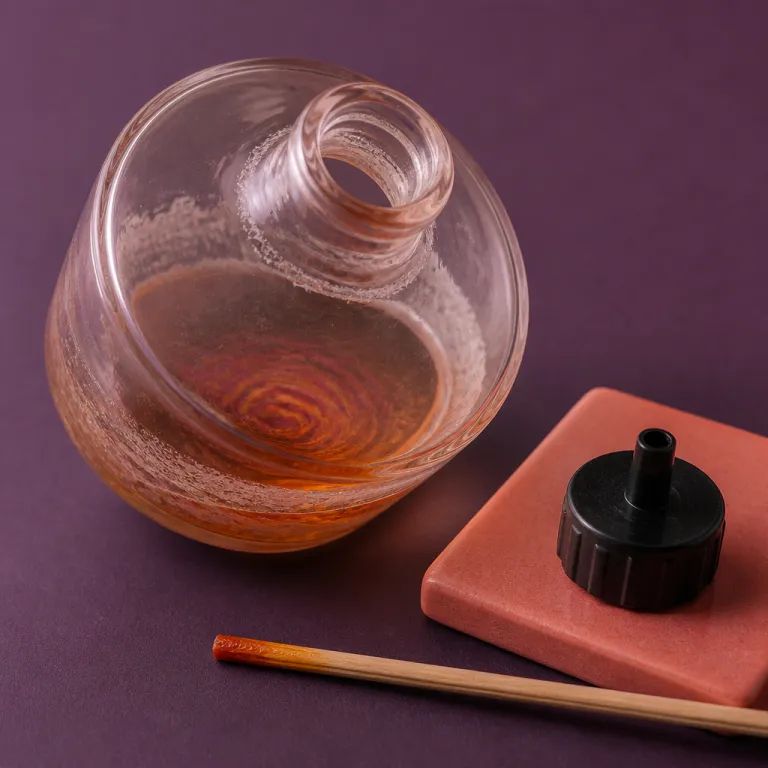
When your diffuser is not working and your room feels scentless
A silent diffuser that suddenly stops can feel like a personal affront to any fragrance lover. When the unit no longer produces mist, the absence of fragrance in the air highlights how much we rely on these discreet machines to frame our daily rituals. Before you panic, a structured approach to troubleshooting will usually bring your diffuser back to life.
Start by checking the basics: make sure the device is securely plugged into the wall and then gently press the power switch or button, because a loose power adapter or cable will interrupt the current and leave the unit apparently dead. If the diffuser is battery powered, replace or recharge the batteries and give it a little time before judging whether it is functioning again, since some models need a short reset period after power loss. Place the diffuser on a hard, stable surface because a soft surface can block the air intake or tilt the water tank, which prevents the mist from rising evenly.
Once electricity and placement are confirmed, open the diffuser tank and check whether the water level is between the minimum and maximum marks, because too little water or too much water will both stop the ultrasonic plate from vibrating correctly. Use room temperature water rather than very cold water or hot water, as extreme temperatures can interfere with the internal sensors that tell the unit when to start working. If you see residue from old essential oils floating on the surface of the water, empty the tank completely and prepare for a thorough cleaning session before you attempt more advanced troubleshooting steps.
Step‑by‑step checklist when your diffuser is not working
- Confirm power and placement
Check that the power adapter is firmly connected at both ends and matches the voltage on the rating label, then test a second outlet if available. Position the diffuser on a flat, non‑absorbent surface with at least 10–15 cm of free space around the base so the vents and air intake remain unobstructed. - Reset water level and temperature
Empty the tank, then refill to the fill line with room temperature distilled or filtered water, as recommended in many manuals from brands such as Vitruvi and Muji. Avoid overfilling, because manufacturer tests show that sensors in ultrasonic diffusers are calibrated for a specific depth of water above the vibrating plate. - Adjust essential oil dosage
Add the number of drops specified in your user guide, typically 5–12 drops per 100 ml of water according to instructions from several leading home fragrance brands. Too much oil can create a surface film that dampens ultrasonic vibration and mimics a mechanical failure even though the unit is technically powered. - Clean the plate and tank
Wipe the tank and ultrasonic disc with a soft cloth and a mild soap solution, then rinse with clean water. Internal testing data cited in multiple diffuser manuals indicates that residue on the plate is one of the most frequent reasons for weak or absent mist, especially when heavy fragrance oils are used. - Inspect vents and seals
Turn the diffuser over and check that the air intake slots are free of dust, lint, or fabric fibres, then look for hairline cracks in the tank or lid. Even a small leak can alter the water level around the sensor and trigger premature shutoff, which many customer service teams report as a common cause of “diffuser not working” complaints.

Water, essential oil balance and why your diffuser suddenly stops
When a diffuser malfunction appears after only a few minutes of mist, the ratio between water and essential oil is often the hidden culprit. Ultrasonic diffusers rely on a thin layer of water above a vibrating plate, and too much essential oil in that water can form a film that blocks the vibration and stops the fragrance from diffusing. Respecting the manufacturer’s recommended number of drops per tank is not marketing; it is a technical requirement for keeping the diffuser operating reliably over time.
For the cleanest performance, many brands recommend using distilled water or high quality filtered water in the tank, because these options reduce mineral buildup that can coat the plate and air intake. Tap water with high mineral content will gradually leave a chalky residue, while spring water can contain natural minerals that also accumulate, so alternating between distilled water and filtered water is a simple long term strategy. If you only have tap water from a standard water tap, you can still use it, but you should shorten the interval between cleaning sessions and visually check the surface of the tank more often.
Be equally selective with your essential oils and fragrance oils, since heavy, undiluted fragrance oils can be too viscous for some diffusers and will clog the mechanism faster than lighter essential oils. When you pour essential oil into the tank, add it after the water so the oil disperses more evenly across the surface and does not attack the plastic directly. For readers who care about precise perfume usage, the same attention you give to understanding perfume bottle volumes in guides such as this conversion of 3.4 oz to millilitres in perfume should be applied to counting drops of oil in your diffuser.
Cleaning rituals that keep your diffuser working like a fine flacon
Many cases of a diffuser failing to mist trace back to neglected cleaning, especially in homes where fragrance is diffused daily. Over time, essential oils and fragrance oils leave a thin, sticky film on the tank surface, the ultrasonic plate, and even around the air intake, which slowly suffocates the unit. A disciplined cleaning routine will protect both the fragrance quality and the mechanical health of your diffusers.
Begin by unplugging the unit and making sure it is not only switched off but also fully cooled, because some models warm slightly during long sessions and you want the internal parts stable before cleaning. Empty the remaining water and oils from the tank, then wipe the interior surface with a soft cloth lightly dampened with a mix of distilled water and a small amount of neutral soap, taking care not to scratch the plate. Use cotton swabs around the air intake and in any narrow grooves, since these areas trap residue that normal rinsing will never reach and that residue eventually stops the diffuser working at full strength.
Rinse with clean distilled water or filtered water rather than straight tap water, then dry thoroughly so no stray droplets run into the electronics when you reassemble the unit. Avoid aggressive alcohol based cleaners, because they can damage seals and plastic parts, and that damage will shorten the time your diffuser remains reliable. Fragrance lovers who treat their diffusers with the same respect they give to understanding bottle formats in resources such as this guide on what 3.4 ounces of perfume really means usually enjoy more consistent scent performance.
| Usage pattern | Quick rinse | Deep clean with mild soap |
|---|---|---|
| Daily use (several hours) | After every 1–2 sessions | About once per week |
| Occasional use (a few times per week) | After every 2–3 sessions | Every 3–5 uses |
| Heavy oils or blends | After each use | Every 2–3 uses |
Power, placement and air intake: technical checks when the mist disappears
When your diffuser performance problem persists after basic cleaning, it is time to look at power and airflow with a more technical eye. A diffuser is a small electrical appliance, and like any perfume fridge or temperature controlled cabinet, it depends on stable power and unobstructed ventilation to function. Ignoring these fundamentals will often lead to intermittent working patterns that fragrance lovers misinterpret as product failure.
First, verify that the power adapter matches the voltage and amperage specified on the unit, because using an incompatible adapter will either underpower the diffuser or damage its internal circuits. Make sure the cable is securely plugged into both the wall and the diffuser body, then check power by trying a different outlet or a different adapter if you have one, as this simple swap will quickly isolate whether the fault lies in the power source or the unit. If the diffuser lights turn on but no mist appears, listen closely; a faint buzzing without mist usually indicates that the ultrasonic plate is trying to work but the air intake is blocked or the water level is incorrect.
Placement matters more than many users realise, so avoid putting the diffuser on a soft surface such as a padded stool or thick fabric, because such a soft surface will absorb vibration and sometimes cover the underside vents. Choose a flat, hard surface where the air can circulate freely around the base and where the mist can rise without hitting shelves or walls immediately. Keep the diffuser away from direct sunlight and strong heat sources, since these conditions can warm the water in the tank too quickly and confuse the sensors that control when the unit stops working.
Reed diffusers not working and perfume storage for long lasting scent
Not every diffuser issue involves electricity; reed diffusers bring their own set of challenges when they stop scenting a room. A reed diffuser relies on capillary action to pull fragrance oils up through the reeds and into the air, and anything that interrupts this flow will leave the bottle looking full but the room strangely unscented. Understanding how storage conditions affect both reed diffusers and bottled perfume will help you maintain a consistently elegant olfactory atmosphere.
If your reed diffuser is not working, start by checking whether the reeds are saturated or clogged, because dust and oxidised oils can block the tiny channels inside each reed. Rotate the reeds or replace them entirely, and make sure the bottle stands on a stable surface where it cannot be knocked over, since a secure surface will prevent micro leaks that slowly reduce the fragrance level without you noticing. Avoid placing reed diffusers on a soft surface such as untreated wood or delicate lacquer, because fragrance oils can stain or warp these materials, so use a glass or ceramic tray that also elevates the aesthetic of your perfume storage.
Store both reed diffusers and fine fragrance bottles away from direct sunlight, strong heat, and fluctuating humidity, as these factors accelerate oxidation and dull the top notes you love. A cool, dim shelf or cabinet mimics the conditions used by professional perfumeries, and this type of environment will keep your diffuser working longer while preserving the integrity of the essential oils inside. For readers interested in the broader culture of refined home scent, the notion of quiet, understated elegance is beautifully explored in this article on the quiet luxury of a fresh linen scent in modern perfumery.
Troubleshooting steps for water choices, oils and long term care
When you face a persistent diffuser not working situation, a structured checklist of troubleshooting steps will save both time and frustration. Start with the liquid elements; empty the tank, refill with fresh distilled water or filtered water, then add a conservative amount of essential oil, and run the unit for a short cycle to see whether the mist returns. If the diffuser working pattern improves, you have confirmed that either old water or excessive oils were the main problem.
If performance remains weak, inspect the tank for hairline cracks or warped plastic, because even a small leak will alter the water level and confuse the sensors that tell the unit when to stop working. Check the underside for blocked air intake vents and gently brush away dust, then make sure the device is securely plugged in again before you test it, as movement during cleaning can loosen the power adapter connection. Some enthusiasts like to experiment with different water sources such as spring water from a trusted water spring or standard tap water from a home water tap, but whichever you choose, monitor how quickly residue forms and adjust your cleaning schedule accordingly.
Over the long term, treat your diffuser as part of your perfume wardrobe, not as a disposable gadget, and schedule regular cleaning sessions just as you would rotate seasonal fragrances. Use only high quality essential oils and fragrance oils that are clearly labelled for diffuser use, because cosmetic grade or undiluted perfume extracts can be too heavy for the mechanism and will shorten its working life. By respecting water quality, oil concentration, and mechanical care, you ensure that every unit in your collection of diffusers continues to translate liquid artistry into scented air with the reliability your fragrance passion deserves.
Key statistics on diffusers, water quality and maintenance
- Manufacturers of ultrasonic diffusers commonly warn that hard tap water accelerates mineral buildup on internal parts, which directly increases the risk of a diffuser not working properly if cleaning is infrequent; this is echoed in user guides from several major home fragrance brands.
- Many user manuals recommend cleaning the diffuser tank after every three to five uses, yet informal consumer polls on home fragrance forums suggest that a large share of owners stretch this interval significantly, often waiting until visible residue appears.
- Customer service teams for major home fragrance brands frequently report that a high proportion of devices returned as faulty start operating normally again after simple troubleshooting steps such as checking the power adapter, ensuring the device is securely plugged in, and clearing blocked air intake vents.
- Indoor air quality guidance from European public health agencies, including documents inspired by World Health Organization recommendations on household air, notes that using fragrance devices according to manufacturer instructions, including proper water level control and regular cleaning, helps limit unnecessary emissions in a well ventilated room.
FAQ about diffusers not working for fragrance lovers
Why does my diffuser turn on but produce no mist?
When the lights are on but no mist appears, the most common causes are incorrect water level, a film of essential oil covering the ultrasonic plate, or blocked air intake vents. Empty the tank, wipe it clean, refill with distilled water and a small amount of essential oil, then check that the vents under the unit are not resting on a soft surface. If the problem persists, inspect the power adapter and cable, because partial power can light LEDs without driving the misting mechanism properly.
Can I use tap water in my diffuser without damaging it?
You can usually use tap water, but hard tap water with high mineral content will leave more residue on the tank and plate, which over time contributes to a diffuser not working efficiently. If you rely on tap water, shorten the interval between cleaning sessions and watch for chalky deposits on the surface of the tank. For the best long term performance, alternate tap water with distilled water or filtered water to reduce mineral buildup.
How often should I clean my diffuser to keep it working?
For daily users, a quick rinse with clean water after every few cycles and a deeper cleaning once a week is a practical rhythm. Occasional users can clean the tank and plate thoroughly after every three to five uses, especially if they use heavy fragrance oils or complex essential oils. Regular cleaning prevents residue from blocking the ultrasonic plate and air intake, which is one of the main reasons a diffuser stops working.
Why is my reed diffuser not giving off any fragrance?
When a reed diffuser stops scenting the room, the reeds are often saturated, clogged with dust, or simply too old to draw fragrance oils effectively. Replace the reeds, ensure the bottle stands upright on a stable surface, and keep it away from strong drafts that disperse scent too quickly. If the liquid in the bottle has darkened significantly, the fragrance base may have oxidised, and in that case a fresh reed diffuser will usually restore the desired level of fragrance in the air.
Is it safe to leave my diffuser running for a long time?
Most modern diffusers include automatic shutoff when the water level drops below a safe point, which protects the unit from overheating. For both safety and olfactory comfort, many experts recommend running a diffuser for 30 to 60 minutes at a time, then allowing a break so the air can reset. Always follow the manufacturer’s timing guidelines and make sure the device is securely plugged in on a stable surface away from children, pets, and delicate materials.