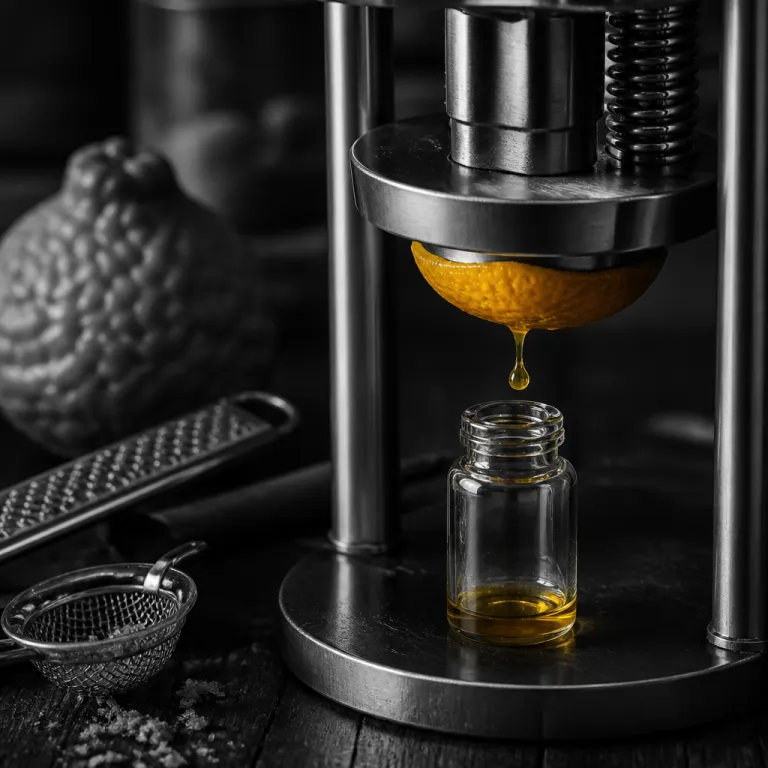
What bergamot really is when it appears in your perfume
Bergamot sits quietly on countless ingredient lists, yet the citrus note itself often goes unrecognised on skin. This small greenish fruit from the bergamot tree, botanically named Citrus bergamia, looks like a wrinkled lemon crossed with an orange and grows mainly along a narrow Calabrian coastline in southern Italy. When you spray a fresh cologne or a sparkling eau de parfum and feel that instant lift, you are usually smelling this shy fruit more than anything else.
The rind of the bergamot orange is where the magic lives, because perfumers use cold-pressed extraction to obtain the precious essential oil rather than squeezing the juice. Industry figures from Calabrian producer associations indicate that it can take on the order of two hundred fruits to yield around one hundred millilitres of bergamot oil, a striking illustration of how every bright top note connects to real groves, real labour, and real weather. That pale green essential oil is then refined, analysed by gas chromatography–mass spectrometry (GC–MS) to map its aromatic molecules, and finally blended into fragrances that feel effortless on the skin.
Most people know bergamot without realising it, because this essential oil is what gives Earl Grey tea its unmistakable citrusy aroma. Think of the steam from a cup of Earl Grey, and you already have the reference for the citrus scent that opens many modern fragrances. Perfumers lean on this bergamot character to create a fresh yet slightly floral note that feels more sophisticated than simple lemon or orange.
Why perfumers rely on bergamot as the ultimate top note
On a perfume blotter, bergamot appears first as a bright citrus scent, but it quickly reveals a soft floral undertone that makes it unusually versatile. Compared with other citrus fruits, this top note is less sharp than lemon, less sweet than orange, and more nuanced than grapefruit, which allows it to bridge sparkling top notes and warmer base notes with ease. That is why perfumers quietly slip bergamot into everything from classic eau de cologne to modern niche eau de parfum structures.
In practice, a perfumer might start a composition with a trio of citrus notes built around bergamot oil, a touch of lemon, and a whisper of sweet mandarin. This trio creates a fresh opening where the bergamot facet adds complexity, while the other oils provide clarity and immediate impact on skin. You can smell this approach in iconic cologne styles and in more opulent creations where bergamot supports marine, woody, or even gourmand accords, illustrating how one citrus material can adapt to very different olfactory architectures.
Because bergamot sits between citrusy and floral territories, it helps top notes melt seamlessly into heart notes built around jasmine, neroli, or rose. The same essential oil can also freshen dense base notes such as amber, musk, or woods, preventing a fragrance from feeling heavy. This balancing act explains why bergamot appears in a huge share of modern fragrances, even when the marketing story talks only about exotic woods or rare resins.
From Calabrian groves to your wrist: how bergamot oil is made
Every time you enjoy a bright bergamot accord in a perfume, you are smelling a very specific landscape in southern Italy. Most of the global supply of bergamot oil comes from a strip of land in Calabria where the bergamot tree thrives in a narrow climatic window between sea and mountains. Outside this region, attempts to grow the fruit at scale have rarely matched the quality of Calabrian Citrus bergamia harvests.
Producers harvest the fruit between late autumn and early spring, when the rind holds the highest concentration of aromatic oils. Instead of pressing the fruit for juice, workers use cold-pressed mechanical methods that gently rupture the oil sacs in the peel, separating essential oil from bitter liquid and pith. The resulting bergamot oil mixture is then filtered, sometimes rectified to remove certain components such as furocoumarins, and carefully stored to protect it from light and heat that could dull its scent.
Modern quality control relies heavily on GC–MS analysis, which allows laboratories to read the chemical fingerprint of each batch of essential oil. Peer‑reviewed compositional studies and producer datasheets show that this technique confirms the proportions of key molecules that give bergamot its citrusy yet floral fragrance profile and helps detect adulteration with cheaper citrus oils. When you spray a refined eau de cologne or a more concentrated eau de parfum built around bergamot, you are benefiting from this quiet scientific rigour as much as from the romantic image of Italian orchards.
Safety, phototoxicity and the quiet shift to bergaptene free bergamot
Natural bergamot essential oil contains a molecule called bergaptene, a furocoumarin that can make skin more sensitive to sunlight when used above certain levels. In traditional cologne formulas, generous doses of this citrus material sometimes led to phototoxic reactions, especially when people sprayed fragrance on necks and then spent hours in strong sun. Regulatory bodies such as IFRA responded by setting strict limits on how much cold-pressed bergamot oil could be used in leave-on products, with maximum levels defined according to product category.
To keep the beloved citrus scent while reducing risk, many suppliers now offer bergaptene free bergamot oil, often labelled as FCF or rectified. This process removes most of the problematic component, allowing perfumers to use higher levels of bergamot essence in fragrances without breaching safety guidelines for top notes and base notes. Some noses argue that this treatment slightly thins the scent, while others appreciate the cleaner profile that lets floral and woody notes shine more clearly.
For fragrance lovers, the practical advice is simple and grounded in real skin behaviour. If you wear perfumes rich in citrus notes such as bergamot, lemon, or other phototoxic oils, avoid spraying directly on areas exposed to strong midday sun. Modern formulas are generally safe within regulated limits, yet understanding the material behind your favourite fragrance builds trust and helps you choose when to reach for a bright daytime cologne versus a deeper evening scent.
How to recognise bergamot on your own skin
Training your nose to recognise bergamot turns an invisible citrus into a familiar friend. Start with a simple reference by smelling a cup of freshly brewed Earl Grey tea or another bergamot-flavoured blend, paying attention to the citrusy vapour rising from the surface. That airy, slightly floral citrus scent is your mental anchor for bergamot in both singular perfumes and more complex fragrances.
Next time you test a new fragrance, focus on the first three minutes after spraying, when the top notes speak loudest. Ask yourself whether the opening feels like straight lemon, sweet mandarin, or something more nuanced and slightly floral, because that more complex profile usually signals bergamot oil at work. In classic eau de cologne styles and in modern eau de parfum compositions where bergamot orange is the star, you may even notice how the note lingers longer than expected before slowly handing the stage to heart notes and base notes.
Comparing different perfumes side by side can sharpen your perception of bergamot’s essential character. To make the contrast clearer, keep in mind a few quick sensory cues:
- Bergamot: citrusy, slightly bitter, with a soft floral and tea-like nuance.
- Lemon: piercing, sour, and more linear, like freshly grated zest.
- Orange: sweeter, juicier, and rounder, reminiscent of squeezed fruit.
Over time, you will start to sense how perfumers adjust the balance of citrus oils, floral notes, and deeper materials to create a signature scent that still opens with that quiet flash of Italian light.
FAQ
Why does bergamot appear in so many perfumes
Bergamot appears in so many perfumes because it offers a uniquely balanced profile that is both citrusy and slightly floral, which makes it an ideal top note. This bright opening lifts a composition while helping it transition smoothly into heart and base notes. Its versatility allows perfumers to use bergamot in fresh colognes, complex eau de parfum structures, and even richer oriental or woody fragrances.
Is bergamot safe to wear on skin in sunlight
Natural cold-pressed bergamot oil contains bergaptene, a molecule that can cause phototoxic reactions when used at high levels and exposed to strong sunlight. Modern regulations limit the concentration of such essential oils in leave-on products, and many perfumers now use bergaptene free bergamot oil to reduce risk. As a precaution, it is wise to avoid spraying very citrus-heavy fragrances directly on areas that will receive intense sun for long periods.
How can I tell bergamot apart from lemon or orange in a fragrance
Lemon and orange usually smell more straightforward, either sharp and sour or sweet and juicy, while bergamot feels more complex and slightly floral. When you smell the opening of a perfume and notice a citrus scent that reminds you of Earl Grey tea rather than kitchen fruit, you are likely experiencing bergamot. Paying attention to this nuance across different perfumes will gradually train your nose to recognise the note more easily.
Does synthetic bergamot smell different from natural bergamot oil
Synthetic reconstructions of bergamot aim to reproduce the main aroma molecules found in natural essential oil, often guided by gas chromatography analysis. They can capture the general citrusy and floral character but sometimes miss the subtle complexity created by dozens of minor components in true cold-pressed oils. Many modern fragrances use a blend of natural and synthetic materials to balance olfactory richness, cost, stability, and safety.
Why is most bergamot grown in Calabria, Italy
Most bergamot is grown in Calabria because the tree thrives in a very specific combination of mild winters, hot summers, and maritime influence found along that region's coastline. Attempts to cultivate Citrus bergamia elsewhere have generally produced lower quality bergamot oil with a less refined scent profile. This geographic concentration makes the Calabrian supply strategically important for the global fragrance industry, especially for perfumes that rely heavily on this citrus note.