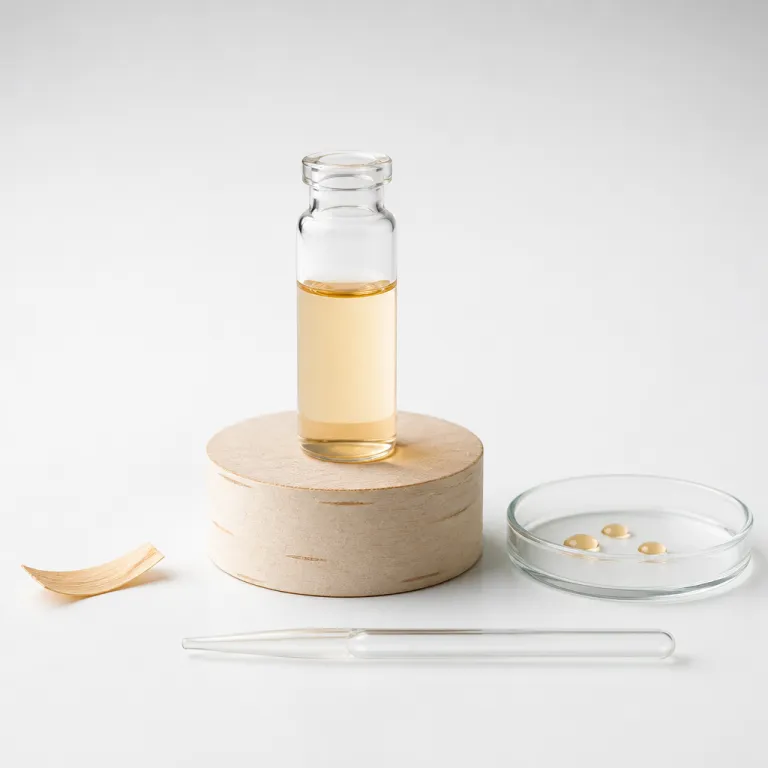
From endangered groves to fermenters: why sandalwood forced a rethink
Mysore sandalwood once defined luxury fragrance, yet its very ingredients pushed the tree toward crisis. As Santalum album plantations dwindled, the fragrance industry faced a stark choice between scarcity, illegality, and a new kind of sustainable fragrance built on biotechnology. That tension between forest and fermenter now shapes how every serious perfume lover must think about biotech sustainable perfume ingredients.
Classic sandalwood oil is rich in creamy, milky scent molecules called alpha and beta santalol, which give many fragrances their soft, meditative scent. The environmental impact of harvesting wild trees that take 30 to 60 years to mature, however, made traditional production increasingly untenable for any brand claiming to be eco conscious. When you spray a sandalwood heavy fragrance today, you are often smelling a careful blend of natural ingredients, petrochemical synthetics, and now biotech ingredients designed to protect both forests and the market that depends on them.
This is where biotechnology fragrance work enters the story, not as a gimmick but as a survival strategy for the fragrance industry. Companies using precision fermentation can now feed plant sugars to yeast, coaxing them to exhale the same sandalwood molecules that once came only from a felled trunk. For connoisseurs who care about sustainability, this shift in fragrance production raises a pointed question ; if the fragrance molecules are nature identical, does it matter whether the sandalwood is grown in soil or brewed in steel?
How biotech turns sugar into sandalwood: inside precision fermentation
To understand biotech sustainable perfume ingredients, picture a brewery rather than a distillery. Instead of barley and hops, tanks hold engineered yeast and carefully chosen plant based feedstocks that will become high purity fragrance ingredients. This is precision fermentation in action, where biotech teams program microbes to produce specific scent molecules for modern fragrances.
In the case of sandalwood, scientists map the plant metabolic pathway that turns simple plant sugars into santalol, the creamy heart of many a niche perfume. They then insert that pathway into yeast or another microbe, effectively turning it into a tiny lab grown sandalwood factory that runs on renewable feed and controlled fermentation. The result is a stream of biotech ingredients that are chemically identical to the original ingredient, yet decoupled from deforestation, poaching, and volatile swings in the sandalwood market.
This approach sits squarely within green chemistry, because it minimizes waste, energy use, and toxic solvents in fragrance production. Tools such as Firmenich’s EcoCompass now allow perfumers to compare the environmental impact of a traditional natural extract, a petrochemical synthetic, and a biotechnology derived sandalwood note in real time. For readers already exploring topics like why organic cologne is gaining attention among fragrance lovers, this level of data driven science sustainability offers a more nuanced way to judge what truly counts as a sustainable or eco conscious sustainable fragrance.
Beyond sandalwood: rose, musks, and the new palette of lab grown scent
Sandalwood may be the headline, but it is not the only ingredient being reimagined through biotechnology. Endangered rosewood, certain animalic musks, and even facets of ambergris now have lab grown or nature identical counterparts created via precision fermentation. Each of these biotech ingredients allows perfumers to keep beloved scents alive while shrinking the environmental impact of the overall supply chain.
Take rose oxide, a key fragrance molecule that lends a metallic, dewy lift to many rose fragrances. Instead of relying solely on vast fields of plant material, biotech processes can now generate this scent via fermentation, using plant sugars as feedstock and plant cell knowledge to fine tune yields. The same logic applies to modern musks, where biotechnology fragrance research focuses on clean, sustainable fragrance ingredients that avoid both animal harm and persistent pollutants in the wider environmental context.
For the wearer, the experience can be surprisingly seamless, because these fragrance molecules are designed to be nature identical to their traditional counterparts. What changes is not the scent on your skin but the story behind how that perfume reached your shelf, from fragrance production choices to science sustainability metrics. If you already care about the ethics of your shower routine, pieces on topics such as the benefits of tea tree body shampoo sit on the same continuum as asking whether your sandalwood, rose, or musk is forest sourced or quietly brewed in a stainless steel tank.
Does lab grown sandalwood have a soul ? authenticity, naturals, and green chemistry
Among perfumers, the fiercest debates about biotech sustainable perfume ingredients are not technical but emotional. Artisanal noses argue that natural ingredients carry terroir, seasonal quirks, and micro impurities that give a perfume its living, breathing character. They worry that a palette dominated by lab grown fragrance molecules could flatten the poetry of scents into something too polished, too predictable.
On the other side, chemists and sustainability leads point out that biotech ingredients can actually expand creativity by offering new, ultra precise scent molecules that never existed in nature. When a perfumer can dial in a sandalwood accord with exact ratios of santalol and complementary molecules, they gain control that wild harvested plant oil rarely provides, especially when climate stress distorts production yields. This is where green chemistry and science sustainability intersect with artistry, because a more stable supply chain for key fragrance ingredients frees creators to take bolder olfactory risks.
For the eco minded collector, the question becomes less “Is this natural ?” and more “Is this sustainable, transparent, and honest about its environmental impact ?”. A sustainable fragrance built on biotechnology can still weave in treasured natural ingredients such as vanilla, iris, or tea notes, much like the nuanced vanilla work explored in this piece on the intimate elegance of vanilla powder extrait in modern perfumery. What matters is how the fragrance industry balances plant based sourcing, biotech innovation, and fragrance production methods that respect both forests and the people who love to wear their stories.
Transparency, traceability, and how to read a biotech forward perfume
For collectors with 30 bottles and counting, the rise of biotech sustainable perfume ingredients changes how you read a note list. When a brand mentions “sandalwood accord” or “clean musk”, it may signal a blend of natural extracts, classic synthetics, and biotechnology derived fragrance ingredients. The more a house talks openly about precision fermentation, green chemistry, and science sustainability, the easier it becomes to judge whether its sustainable fragrance claims are more than marketing.
One advantage of biotechnology fragrance work is traceability, because every batch of biotech ingredients can be tracked from plant sugars feedstock to final fragrance production. That level of documentation is far harder to achieve with wild harvested plant material, where the supply chain may involve smallholders, brokers, and exporters across several countries. For an eco conscious buyer, this means a sandalwood heavy perfume built on lab grown santalol can sometimes offer more reliable sustainability data than one relying solely on “all natural ingredients” language.
As you sample, pay attention to how the fragrance wears rather than fixating on whether every ingredient is plant based or forest sourced. A well crafted blend of fragrance molecules, whether nature identical or novel, can still deliver the textured, evolving scent journey that niche lovers crave, while cutting waste and environmental harm. In the end, sandalwood without the forest is less about abandoning nature and more about using biotech tools to ensure that the trees, the industry, and the people who wear these fragrances can all keep breathing.
FAQ
Is biotech sandalwood really identical to natural Mysore sandalwood oil ?
Biotech sandalwood produced via precision fermentation is designed to be chemically nature identical to the key santalol molecules found in traditional Mysore sandalwood oil. In blind smell tests, many perfumers struggle to distinguish between high quality lab grown santalol and a well distilled natural oil. What can differ is the presence of trace minor components that give some natural batches extra nuance, although these can sometimes be recreated through careful blending.
Is lab grown sandalwood more sustainable than plantation grown sandalwood ?
Lab grown sandalwood made through biotechnology generally has a lower environmental impact than wild harvested or poorly managed plantation sandalwood, especially when renewable plant sugars are used as feedstock. Precision fermentation reduces pressure on endangered forests, cuts land use, and can minimize waste and solvent use in fragrance production. Well managed plantations can still play a role, but biotech ingredients offer a scalable way to protect remaining natural stands.
Does using biotech ingredients make a perfume less natural or less luxurious ?
Using biotech ingredients does not automatically make a perfume feel less natural or less luxurious, because the resulting fragrance molecules can be nature identical to those found in plants. Luxury in perfumery increasingly comes from thoughtful composition, transparency, and sustainability rather than a simple natural versus synthetic divide. Many high end fragrances already blend natural ingredients, classic synthetics, and biotech sustainable perfume ingredients to achieve both performance and ethics.
How can I tell if a fragrance uses precision fermented ingredients ?
Most brands do not list precision fermented ingredients explicitly on the bottle, but some now highlight biotech sandalwood, lab grown musks, or nature identical notes in their marketing materials. Look for language about biotechnology fragrance work, green chemistry, or science sustainability on brand websites and campaign descriptions. When in doubt, you can contact customer service and ask whether key notes such as sandalwood, musk, or rose are sourced from natural, synthetic, or biotech production.
Will biotech eventually replace all natural ingredients in perfumery ?
Biotech is unlikely to replace all natural ingredients, because many perfumers and wearers cherish the complexity and variability of plant based materials. Instead, biotechnology will probably focus on high impact, high risk ingredients such as endangered woods, animalic notes, and certain high volume aroma chemicals. The future fragrance palette is more likely to be a hybrid, where natural ingredients, classic synthetics, and biotech sustainable perfume ingredients coexist to balance artistry, safety, and sustainability.