From fast launches to barrel aged perfume slow perfumery
Walk into any niche boutique and the shelves groan with new fragrances, yet a quiet counter movement is forming around barrel-aged perfumes and a broader culture of slow perfumery. A small group of perfumers has decided that a perfume will only earn its place on the skin after long maceration, extended aging and sometimes literal rest in an oak barrel usually reserved for wine or cognac. This shift treats time not as a production constraint but as a perfumery ingredient with weight equal to vanilla, iris or oud.
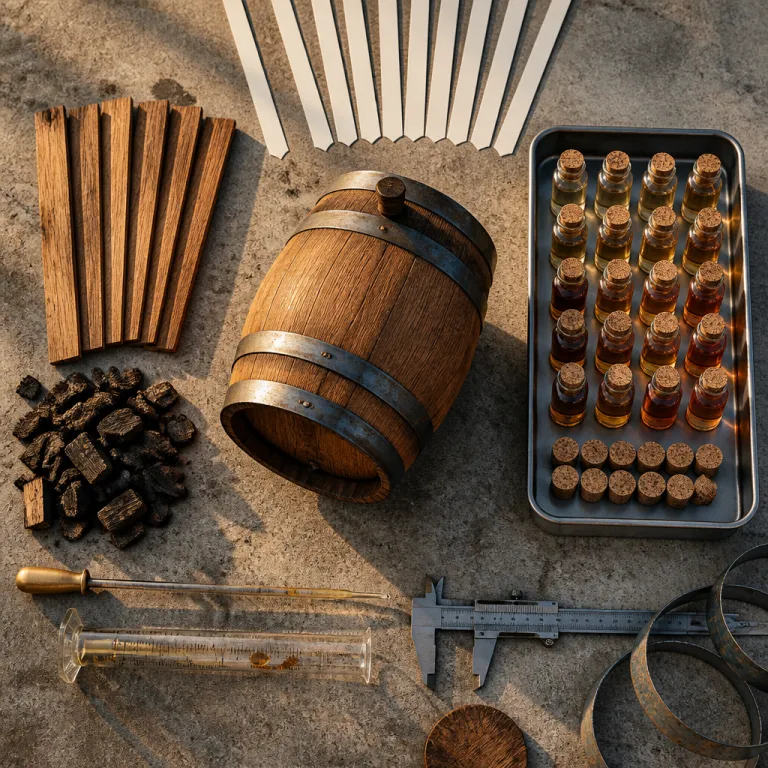
At its core, barrel aging is a controlled interaction between fragrance concentrates and wood, where aromatic compounds from oak barrels migrate into the liquid and subtly reshape the scent profile. The same way wine spirits sit in barrels for months or even years to gain depth, some perfume houses now let their juice rest in repurposed vessel wine casks, ex cognac barrels or new oak barrels to coax complexity from the blend. This approach belongs firmly to slow perfumery, where formulas, maceration and filtration require time measured in months rather than weeks.
Amouage has pushed this philosophy into the spotlight with its recent Essences collection, where the concentrates sit at a notably high strength and undergo extended aging in oak barrels and sandalwood chips according to brand materials. That level of concentration means the perfume behaves on skin with a density closer to an extrait, and the extra aging allows top notes, heart and base notes to knit together into a seamless structure. For collectors used to fast flankers, this kind of barrel treatment reads almost radical, yet it aligns perfectly with how luxury houses treat rare wine spirits or long aged whiskies.
On a molecular level, the interaction is surprisingly pragmatic, not mystical, because oak contains tannins, lignin and vanillin like molecules that slowly leach into the perfume over time. These aromatic compounds can round sharp citrus top notes, soften aldehydes and add a toasted vanilla warmth that feels less like a separate accord and more like a patina over the entire fragrance. The result is often a perfume that smells less fresh in the conventional sense yet more nuanced, with scents that move from top to heart to drydown in a smoother, more continuous arc.
Slow perfumery also changes how perfumery ingredients are chosen at the formula stage, since materials that require time to bloom, such as resins, woods and certain musks, are favored over instant impact synthetics. When a barrel aged perfume slow perfumery project is planned, the perfumer knows the juice will sit in barrels for many months, so they can work with heavier molecules that might feel muddy in a standard maceration schedule. This is why some of these fragrances feel almost analog, like listening to vinyl after years of compressed streaming.
For the wearer, the key question is how this juice behaves on skin compared with a conventional release, and the answer lies in the architecture of the notes. You will often notice that the top notes are less sparkling yet more integrated with the heart, as if the perfume has already lived a little before it reaches the bottle. That pre aged quality can make even bold vanilla or boozy cognac accords feel surprisingly wearable, because the barrel aging has already smoothed the edges long before the first spray.
What oak barrels really do to perfume molecules
When perfumers talk about barrel aging, they are not chasing a gimmick, they are managing chemistry, because every oak barrel is a micro laboratory. Inside the wood, you find tannins, lactones and smoky phenols that migrate slowly into the perfume, binding with fragrance molecules and subtly changing how the scents unfold. The longer the aging, the more these aromatic compounds accumulate, which is why months can matter as much as years in this context.
Think of a young perfume concentrate as a crowded room of perfumery ingredients, where citrus, florals, woods and musks all shout at once, then imagine that same room after months of quiet conversation inside barrels. Over time, volatile top notes calm down, heavier base notes rise, and the whole composition feels less like separate layers and more like a continuous ribbon. Barrel aged perfume slow perfumery leans into this process deliberately, using oak barrels as both vessel and active participant rather than neutral storage.
Oak itself is not a blank frame, because different oak barrels carry different histories, whether they once held wine spirits, straight wine or old cognac. A vessel wine cask might lend a tart, grapey nuance, while an ex cognac barrel can add rummy warmth and a faint echo of dried fruits that wraps around vanilla or amber notes. Perfumers working in this way treat each barrel almost like a co author, logging which fragrances sat where, for how many months, and how the final perfume behaves on skin after bottling.
Amouage’s Essences line is a clear case study, and any serious collector should read a detailed analysis such as the one on this Amouage perfumes deep dive to understand the brand’s approach. Here, the concentrates for three compositions are aged in oak barrels at high strength, which means the interaction between wood and juice is more intense than in a standard eau de parfum. The result is a set of fragrances where the top heart transition feels unusually fluid, as if the perfume has already been worn many times before it reaches your wrist.
From a structural perspective, barrel aging can blur the textbook pyramid of top notes, heart notes and base notes into something more elliptical. Citrus and aromatics still open the show, yet they are cushioned by early emerging woods and resins that have absorbed micro doses of oak, so the perfume feels aged from the first minute. This is why some barrel aged fragrances seem quieter in the opening but more persistent over the full durée of wear.
Not every formula benefits equally from this treatment, and that is where expertise matters, because some perfumery ingredients simply require time to shine while others collapse. Delicate green notes or ultra fresh accords can lose their sparkle if left in barrels for too long, whereas boozy vanilla, tobacco and leather often gain richness from contact with oak barrels. The best perfume house practitioners know which molecules to expose to barrel aging and which to keep in inert steel, treating wood as a precision tool rather than a universal solution.
Patience as a luxury ingredient in a restless market
Luxury houses have always sold time, whether through aged spirits, vintage wine or haute couture that requires months of handwork, and perfumery is finally catching up. Barrel aged perfume slow perfumery reframes patience itself as a billable raw material, something you can almost smell in the glass like a long rested cognac. When a perfume has spent months or even years in oak barrels, the price tag reflects not only the juice but the empty capacity those barrels represented during aging.
From a commercial standpoint, this makes sense because consumers already understand that wine spirits and whiskies cost more when they are aged longer in barrels. Translating that logic to fragrances is easier than convincing someone to pay extra for a marginally higher concentration, especially when the story involves tangible objects like an oak barrel or a numbered vessel wine cask. The narrative of time, scarcity and craft aligns neatly with how collectors think about limited releases, even if the actual cost structure is more complex behind the scenes.
There is tension, of course, between this slow approach and the Instagram driven hunger for novelty, where a perfume will trend for weeks before the algorithm moves on. Brands that commit to barrel aging cannot flood the market with constant new bottles, because their fragrances literally require time to mature in barrels before they can be sold. That scarcity can either build desirability or frustrate fans, depending on how clearly the perfume house communicates its process and timelines.
For the wearer, the payoff is usually in the wear profile rather than the first spray, because barrel aged compositions often feel more measured and less shouty. A Creed style oud, for example, already trades on the idea of ritual and patience, and you can see how a house might lean into that by exploring extended maceration or even wood contact, as discussed in analyses of Creed perfume as a modern ritual. In that context, patience becomes a luxury ingredient not just in production but in how you wear the scent, inviting slower, more intentional use rather than casual overspraying.
There is also a psychological dimension, because knowing that a perfume has been aged in oak barrels for many months can change how you perceive its value and its notes. You might find yourself paying closer attention to the transition from top to heart to base notes, listening for the faint echo of wood, wine or spirits that the barrel left behind. That heightened attention is part of the luxury, turning each wear into a small act of connoisseurship rather than background scenting.
Still, we should be honest, because not every mention of barrel aging signals genuine craft, and some marketing copy leans heavily on the romance of oak while delivering little olfactory difference. The test is always on skin, where a true barrel aged perfume slow perfumery creation will show a particular smoothness in the heart and a rounded, almost fused quality to the notes. If the fragrance smells thin, harsh or oddly fresh despite grand claims of years in barrels, you are probably paying for a story more than for time as an actual ingredient.
How to read the label and wear barrel aged fragrances
For collectors navigating this new landscape, the first step is learning to decode how brands talk about barrel aging on their packaging and press materials. Look for specifics about the type of oak barrels used, whether they previously held wine spirits or cognac, and how many months the juice spent in contact with wood. Vague references to a mysterious barrel without details about time or vessel wine history should raise an eyebrow.
Concentration also matters, because a perfume at extrait strength will interact with oak differently from a lighter eau de parfum, and this is where the phrase concentrates three or more key accords becomes relevant. Higher concentrations carry more fragrance molecules per drop, which means the aromatic compounds from the barrel have more material to bind with during aging. When a perfume house shares both the concentration and the aging schedule, you can better predict how the scent will behave on skin over a full day.
Wearing these fragrances asks for a slightly different mindset, one closer to how you might approach a rare bottle of aged spirits rather than a casual fresh cologne. Start with fewer sprays than usual, because barrel aged perfume slow perfumery creations often have dense base notes that unfurl slowly, and over application can swamp the top notes entirely. Give the scent at least thirty minutes before judging, allowing the top heart transition to show the wood influence and the smoothed edges of the composition.
Storage deserves attention too, because once the perfume leaves its oak barrel and enters a glass bottle, the clock starts ticking on oxidation and light exposure. Keep these bottles away from heat and direct sun, treating them with the same care you would give to a prized wine or cognac collection. Some enthusiasts even rotate wear so that no single aged bottle sits unused for years, balancing preservation with the simple joy of actually smelling the juice.
It is also worth contrasting this slow, wood focused approach with other emerging formats, such as alcohol free mists that rely on different carriers and aging logics, which you can see in the analysis of the accelerating alcohol free fragrance format on this dedicated feature. Those formulas often emphasize fresh, immediate projection and skin comfort, while barrel aged scents lean into depth, warmth and a more intimate sillage. Both have their place, yet only one treats time and oak as central perfumery ingredients rather than optional flourishes.
Ultimately, the rise of barrel aged perfume slow perfumery asks you to decide how much you value patience, both in the atelier and on your own skin. If you are drawn to scents where the notes feel fused, where vanilla, woods and residual wine or spirits nuances hum together rather than shout, this niche is worth your attention. The real luxury is not the barrel itself but the willingness to let a fragrance take the months or even years it needs before you press the sprayer.
Key figures shaping the rise of slow, barrel aged perfumery
- Amouage’s Essences trilogy is described by the brand as using high strength concentrates and extended aging in oak barrels, a significantly longer and stronger process than standard eau de parfum maceration in stainless steel tanks (brand technical communications and press materials).
- Extrait level fragrances, typically defined as having 20–30 % aromatic compounds, have grown sharply within niche perfumery, with market analyses showing double digit percentage increases in launches over the last decade as consumers seek longer lasting scents and richer base notes (industry reports from firms such as Euromonitor and NPD Group).
- In the spirits world, which heavily informs the narrative around barrel aging in perfume, premium whiskies aged 12 years or more can command prices several times higher than younger expressions, illustrating how consumers already associate longer aging times with greater value and are prepared to pay for patience (data from major whisky auction houses and brand price lists).
- Standard perfume maceration often lasts from a few weeks up to two or three months, whereas slow perfumery projects that involve barrels may extend aging to six months or beyond, effectively tying up production capacity and justifying higher retail prices for the finished bottle (comparisons drawn from brand disclosures and perfumery training materials).