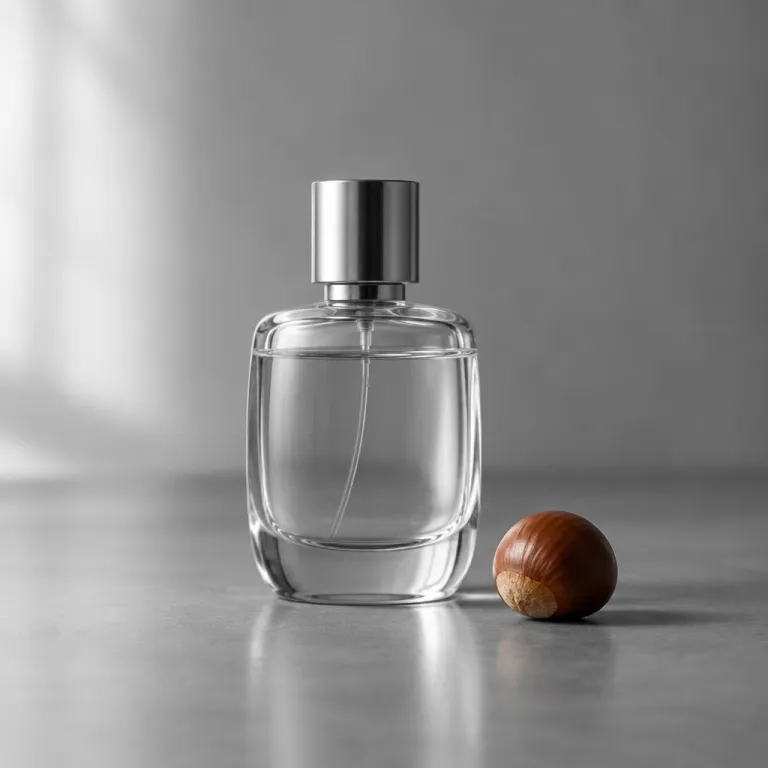
Perfume harvest raw materials and the invisible calendar of scent
Perfume feels timeless on the shelf, yet every fragrance leans on a very seasonal calendar of fields, flowers and roots. When we talk about perfume harvest raw materials, we are really talking about agricultural rhythms that decide which natural material will shape a luxury composition months or even years later. Once you see how plants move through this quiet calendar, every raw material in your collection starts to smell like a specific year rather than an abstract idea.
Perfumery depends on a mosaic of natural raw ingredients, and each plant family has its own harvest window that intersects with autumn in different regions. Some flowers and roots reach their peak in cooler months, while certain resins and woods are processed after the heat has eased, so the same fragrance can never rely on identical raw materials from one season to the next. This is why the perfume market quietly tracks harvest reports the way wine lovers follow vintages, because market trends in yield and quality begin in the soil long before a scent reaches the counter.
Think of centifolia rose, iris, vetiver, patchouli, labdanum and oakmoss as characters in a long seasonal novel, each entering the story when their plant physiology and climate align. Autumn is a pivotal chapter for many of these materials, because cooler nights and shifting light can intensify smell, resin content and essential oil yield in the raw material. For the fragrance connoisseur, understanding this harvest calendar turns the art of smelling into a way of reading weather, land and supply chain decisions through the scents on your own skin.
Autumn flowers, roots and resins: how timing shapes luxury naturals
Not every flower is a spring cliché ; in perfumery, some of the most important flowers and roots are harvested or processed in autumn, when their essential oils are richest. Centifolia rose may headline the romance of May, yet its by products, stored petals and related raw materials often move through extraction and blending as the weather cools, joining autumn lifted roots like orris and vetiver in the same supply chain pipeline. The result is that a spring perfume can carry the memory of an autumn field, because the raw material that defines its scent profile was lifted, dried or distilled months earlier.
Roots and rhizomes are the slow thinkers of the perfume harvest raw materials world, and autumn is often when they are lifted from the soil before long aging. Orris, the root of the iris plant, is typically harvested and then left to dry and mature for several years, allowing its smell to shift from earthy raw material to a buttery, powdery luxury note that anchors many high quality fragrances. When you spray a fragrance rich in iris, you are smelling an essential oil or butter that began as a humble plant in a field several harvests ago, shaped by sustainable agriculture choices and careful extraction processes.
Resins and gums add another autumnal layer, because cooler, drier air can help them cure after tapping, stabilizing the essential components that perfumers prize. Labdanum, benzoin and similar materials are often collected and then slowly dried or processed, so their raw materials move through a patient choreography before they ever meet alcohol in a perfume formula. If you enjoy reading about how smell behaves in other scented objects, the same logic of extraction and curing applies to the waxes and oils discussed in the aromatic alchemy of candles and what truly gives them their smell, where fragrance materials also depend on timing, temperature and careful handling.
Vintage variation, climate pressure and the shifting perfume market
Once you accept that perfume harvest raw materials are agricultural, vintage variation becomes impossible to ignore, because rainfall, heat and soil conditions alter the chemistry of every natural raw ingredient. A centifolia rose grown in a cooler, wetter season will not yield the same essential oil profile as one grown in a hotter, drier year, so perfumers must adjust formulas to keep a luxury fragrance feeling consistent while the raw material underneath keeps changing. This is why naturals are harder to standardize than synthetics, and why the perfume market quietly prices in risk when it looks at long term market trends for key materials.
Climate volatility is already reshaping how growers and perfumers think about sustainable agriculture, because harvest timing and yields for flowers, woods and resins have become less predictable. When a plant flowers earlier or produces less essential oil, the cost of that raw material rises, and the market share of lab grown or biotech alternatives often increases as brands look for stability in their supply chain. If you are curious about how far this can go while still feeling natural, the debate around biotech roses and what counts as a creation natural is unpacked in this analysis of whether a fermented rose can still be called natural, which shows how the language of natural raw materials is evolving.
For the connoisseur, this means that a fragrance built on high quality essential oils from a difficult harvest year may become rarer, while a similar scent from a more generous season might be easier to find and more affordable. Market share figures for naturals versus synthetics shift slowly, but each difficult harvest nudges the perfume market toward more resilient materials, whether that means new extraction processes, different plants or more reliance on lab built molecules. When you evaluate a perfume as a luxury object, you are also making a quiet judgment about which agricultural risks and climate realities you are willing to support with your nose and your wallet.
From field to flask: extraction, aging and the art of waiting
Harvest is only the first act ; what happens after picking or tapping is just as decisive for perfume harvest raw materials, because extraction and aging can transform a raw material beyond recognition. Freshly harvested flowers like jasmine or tuberose may be processed quickly into concretes and absolutes, while woods, roots and resins often pass through slower extraction processes that favor depth over brightness. In both cases, the art of perfumery lies in choosing whether to emphasize the raw, green facets of a plant or the mellowed, honeyed tones that emerge after time and careful handling.
Maceration, drying and aging are where patience becomes a luxury in itself, because time allows volatile components in essential oils to settle and integrate. Orris butter, aged patchouli and long rested resins show how a rough raw material can evolve into something smoother, rounder and more complex, giving a fragrance the kind of texture that niche collectors often describe as three dimensional. Freshness is not always the goal ; sometimes the most compelling scents come from materials that have been allowed to oxidize and deepen, turning a simple plant smell into an essential part of a sophisticated accord.
This slow choreography extends through the entire supply chain, from farmers and distillers to the perfumer who finally weighs each material on the scale. Every delay, from drying a flower to resting an essential oil, adds cost but also potential nuance, which is why truly high quality naturals remain expensive even when market trends favor cheaper synthetics. If you have ever compared the smell of a young patchouli heavy fragrance with an older bottle where the same raw materials have mellowed in alcohol, you have already experienced how time continues to work on perfume long after harvest and extraction are complete.
Ethics, sustainability and what your nose is really voting for
Behind every elegant bottle sits a human story, because perfume harvest raw materials are labor intensive and weather dependent, tying the price of luxury directly to the people who pick, lift and distill each plant. Fields of flowers must often be harvested at dawn, roots dug by hand and resins tapped over many days, so the cost of a raw material reflects not just rarity but also working conditions and local infrastructure. When you choose a fragrance marketed as sustainable, you are implicitly supporting a particular model of agriculture, labor and land use that shapes both smell and social impact.
Sustainable agriculture in perfumery aims to protect soil health, water use and biodiversity while still delivering the essential oils and absolutes that define many beloved scents. This can mean rotating crops, reducing chemical inputs or supporting co operatives that give growers a more stable role in the perfume market, which in turn can influence market share for responsibly sourced materials. Ethical sourcing is not a marketing afterthought ; it is a structural choice that affects everything from the resilience of the supply chain to the long term availability of specific flowers, woods and resins.
For the collector, asking how a brand handles its raw materials is as important as asking about the perfumer’s name or the concentration of essential oil in the formula. You can look for clear information about origin, farming practices and extraction processes, and you can pay attention to how brands talk about rights reserved and privacy policy when they communicate these stories, because transparency in one area often signals seriousness in others. In the end, every spray is a small vote for a particular way of treating land, plants and people, and the more you understand about harvest and sourcing, the more precisely your nose can align with your values.
How harvest season changes the way you read a fragrance
Once you start thinking in terms of perfume harvest raw materials, a bottle stops feeling like a static object and starts feeling like a snapshot of a specific agricultural year. That spring scent on your dresser may be built on autumn harvested roots, resins and flowers, meaning you are effectively wearing last season’s weather on your skin. The art of connoisseurship then becomes less about chasing hype and more about tracing how each raw material carries the memory of a plant, a field and a particular harvest into the finished fragrance.
Reading a perfume this way means paying attention to which notes feel especially vivid or textured, because those often signal where a natural raw ingredient is doing the heavy lifting. A plush rose heart might hint at a generous centifolia harvest, while a leaner, drier floral accord could reflect a year when the same plant produced less oil and more woody facets, forcing the perfumer to lean on synthetics or different materials. Over time, you may notice that your favorite scents from the same house shift subtly between batches, not because the formula changed on paper, but because the raw materials underneath responded to climate and market pressures.
This perspective also connects perfume to other scented objects in your life, from soaps and creams to the balms and lotions that carry their own quiet harvest stories. If you are interested in how botanical ingredients behave on skin in other formats, the textures and soothing effects described in this piece on the soothing allure of aloe infused creams echo the same balance between natural materials, extraction choices and user experience that we see in fine fragrance. In the end, what lingers on your wrist at midnight is not just a beautiful smell, but the distilled result of fields, farmers, climate, chemistry and time quietly converging in a single, intimate cloud of scent.
FAQ
Why does autumn matter so much for perfume ingredients ?
Autumn is a key season because many roots, resins and some flowers are either harvested or processed during this period, when their essential oil content and stability can be optimal. Cooler temperatures and drier air help certain raw materials cure and age without spoiling, which improves both smell and yield. As a result, autumn conditions quietly influence the quality and character of many natural ingredients that appear later in spring and summer fragrances.
How does climate change affect perfume harvest raw materials ?
Climate volatility shifts flowering times, alters rainfall patterns and increases heat stress on plants, which can reduce yields or change the chemical profile of essential oils. Growers may need to adjust harvest dates or cultivation methods, and perfumers often have to reformulate to maintain a consistent scent when the raw material behaves differently. Over time, this can raise costs, encourage more sustainable agriculture practices and increase reliance on lab made materials for stability.
Why do some perfumes smell slightly different from one bottle to another ?
When a fragrance formula relies heavily on natural raw materials, small variations in each harvest can change the balance of certain notes, even if the recipe stays the same. A rose or patchouli from one year may be richer, smokier or greener than the previous year, and these differences show up subtly in the finished perfume. Brands try to smooth this out with blending and synthetics, but collectors with trained noses often notice batch to batch nuances.
Are lab grown or biotech ingredients less luxurious than naturals ?
Lab grown materials are not inherently less luxurious ; they simply offer a different kind of control and consistency compared with field grown plants. Some biotech ingredients can replicate or even refine aspects of natural smell while reducing pressure on land and biodiversity, which can support more sustainable supply chains. For many connoisseurs, the real question is not natural versus synthetic, but whether the final scent feels complex, balanced and emotionally compelling on skin.
How can I tell if a perfume uses ethically sourced materials ?
Look for brands that provide clear information about origin, farming practices and extraction methods for key ingredients, rather than vague references to nature or sustainability. Certifications, long term partnerships with growers and detailed storytelling about specific regions can all signal a more serious approach to ethical sourcing. While marketing language is not foolproof, consistent transparency across product descriptions, corporate communication and even legal pages such as rights reserved or privacy policy sections often indicates a stronger commitment to responsible practices.