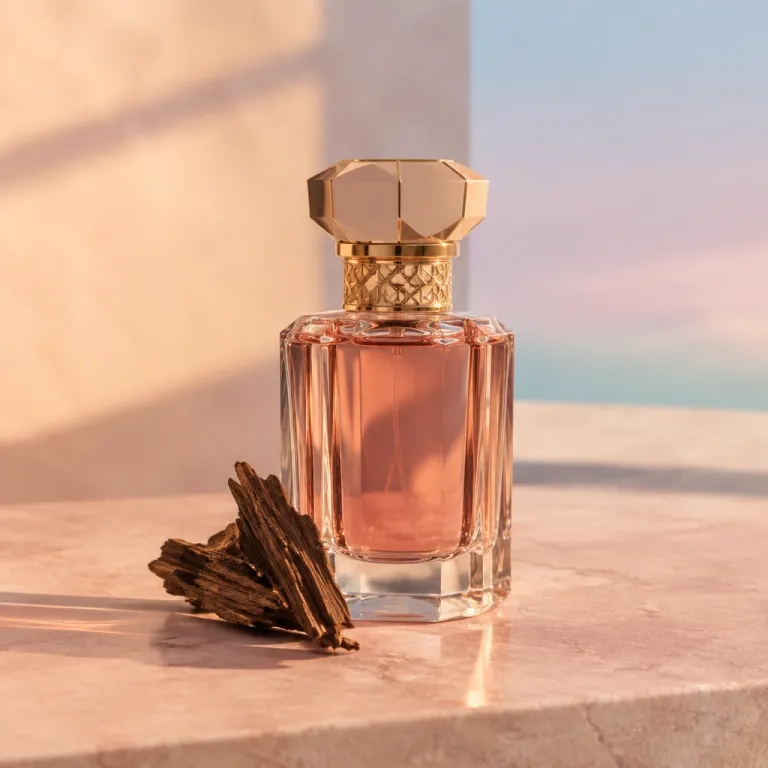
Luxury Arabic perfumes: oud, Lattafa icons, and how to choose the right concentration
Why luxury Arabic perfumes captivate fragrance connoisseurs
Luxury Arabic perfumes speak to fragrance lovers who crave depth and drama. These creations weave oud, amber, and precious musks into perfume structures that feel almost architectural, giving each scent a strong sense of place and cultural memory. For any customer used to regular designer items, the first encounter with an intense extrait can feel like stepping into a different olfactory language, full of smoke, spice, and honeyed resins.
At the heart of this world stands oud, the dark resinous wood that defines many luxury Arabic perfumes. Whether presented as a smooth eau de parfum or a smoky extrait parfum, oud anchors Arabian compositions with a gravitas that Western best sellers rarely attempt, and this contrast explains why so many authentic fragrances from the Gulf are now sold in niche shops worldwide. When you compare a regular-price designer EDP with a carefully aged oud extrait, the difference in texture, projection, and emotional impact becomes immediately clear, as if one were a watercolor and the other an oil painting.
Price always enters the conversation, yet it tells only part of the story. A higher price for a limited collection often reflects the rarity of raw materials, the artisanal distillation of eau and oils, and the small scale of shipping orders from specialist ateliers. As one Dubai-based retailer put it in a 2023 trade interview, “people are not just buying perfume; they are buying a ritual that stays on the skin for twelve hours or more.” For fragrance lovers choosing between mass market and Arabian luxury, the real value lies in how completely a scent can perform a full refresh of mood, wardrobe, and even identity.
Lattafa and the rise of accessible Arabian icons
Among contemporary houses, Lattafa has become a reference point for accessible luxury Arabic perfumes. The brand built its reputation by offering Arabian parfum creations with generous oud, vanilla, and amber at a regular price that feels almost disruptive, especially when compared with Western niche best sellers. For many new enthusiasts, a first Lattafa EDP in the cart marks the moment they shift from casual perfume use to intentional collecting and start tracking every new release.
Lattafa’s Yara line illustrates how a single collection can bridge cultures. Yara, Yara Tous, and Yara Moi wrap tropical fruits, soft florals, and creamy musks around a subtle oud accord, creating extrait and EDP formats that feel both playful and sophisticated, and this duality explains why Yara perfumes are now best sellers in many online shop platforms. Internal retailer dashboards cited by a 2022 Mordor Intelligence overview of the premium fragrance segment note that several Lattafa Yara variants rank among the top-selling Arabian-style perfumes in the affordable niche price band. When a customer sees Yara items repeatedly sold out at the same regular price, it signals that the seller has understood how to balance trend, quality, and value.
Retail experience matters as much as the juice itself. A serious Arabian perfume shop will offer a curated selection full of Lattafa, Yara, and other authentic fragrances, supported by content free from exaggerated claims and a secure checkout that reassures international buyers. When you explore a refined brand story such as the one presented in the inside Acca Kappa brand feature in specialist beauty press, you see how transparency, heritage, and clear communication help customers feel confident when choosing perfumes across cultures and price tiers.
From eau de parfum to extrait parfum: understanding Arabian concentrations
Concentration defines how a fragrance behaves on skin, and luxury Arabic perfumes use this parameter with particular boldness. An eau de parfum, often labeled EDP, usually contains a higher percentage of aromatic oils than a regular eau de toilette, yet many Arabian houses go further with extrait parfum formats that can feel almost oil-like. For a customer used to light Western sprays, the first swipe of an intense extrait can seem overwhelming until they learn to adjust dosage and placement.
In Arabian perfumery, extrait is not just a stronger version of the same perfume. Perfumers often redesign the formula so that oud, resins, and musks dominate the extrait, while the EDP or eau de parfum version may highlight citrus, florals, or spices, and this dual structure allows a single collection to offer different moods for different occasions. One Gulf-based perfumer interviewed in 2021 described extrait as “the night voice” of a composition, while the EDP remains its daytime counterpart. When you compare concentrations, think of the way Dior handles strength in its Sauvage line, as explored in this detailed analysis of which iconic concentration truly suits your skin.
Price naturally scales with concentration and raw material load. A regular price for an EDP might feel accessible, while the price for a limited extrait parfum reflects both oil content and the cost of ingredients such as high-grade oud, ambergris alternatives, or rare florals. Industry benchmarks cited in a 2023 Mordor Intelligence report on the global fragrance market note that high-concentration niche perfumes can retail at two to three times the price per milliliter of mainstream EDPs. For serious collectors choosing between EDP and extrait, the decision often comes down to how intense they want the trail to be and how long they expect the scent to last through a full day.
How to evaluate price, value, and authenticity in Arabian perfumery
Evaluating luxury Arabic perfumes requires more nuance than simply checking the price tag. A regular price may look high compared with mainstream designer perfume, yet when you factor in concentration, natural oud content, and small-batch production, the cost per wear can be surprisingly reasonable. The key is to compare not only milliliters and final price, but also performance, complexity, and emotional resonance, asking whether the scent still feels compelling after several full-bottle wears.
Authentic fragrances from respected Arabian houses usually come with clear batch codes, sturdy packaging, and consistent branding. Reputable online shops highlight these details, offer content free of unrealistic promises, and provide a secure checkout so that every customer feels protected when adding items to the cart, and this transparency separates a serious seller from grey-market resellers. Nielsen consumer research published in 2022 found that more than 70% of fragrance buyers read online reviews before purchase, underlining how verified feedback now functions as an extra authenticity check. Some retailers even offer free shipping above a certain threshold, which can offset higher initial costs for international shipping orders.
Value also depends on how a perfume fits into your wider collection. If one intense extrait becomes your signature scent for evening wear, its higher price may be justified, while a regular eau de parfum might serve as a versatile daily option that complements your existing best sellers. One frequent buyer interviewed in a 2021 Middle East and Africa premium fragrance survey described rotating a single oud extrait for formal events while relying on two lighter EDPs for office and travel. When choosing perfumes across Arabian and Western houses, think in terms of wardrobe building rather than chasing every new launch, and let your selection full of carefully chosen bottles reflect your real lifestyle.
Building an Arabian perfume wardrobe: from best sellers to hidden gems
Creating a wardrobe of luxury Arabic perfumes is an art in itself. Start with a few best sellers that showcase core Arabian codes such as oud, rose, saffron, and amber, then gradually add more unusual parfum compositions that challenge your expectations. This approach gives you a selection full of reliable staples and daring statements, rather than a chaotic shelf of overlapping items that all blur into the same sweet-woody accord.
Lattafa offers an accessible entry point, but do not stop at one brand. Explore different houses that treat oud in contrasting ways, from smoky leathered interpretations to airy transparent styles, and notice how each perfume interacts with your skin chemistry across seasons. When choosing perfumes for hot climates, you might favor lighter eau de parfum or EDP formats, while cooler evenings invite richer extrait parfum or oil-based blends that cling to fabric and hair and leave a lingering trail on scarves and abayas.
Online, a well-designed shop can guide this journey. Look for clear filters that help you skip content not relevant to your taste, such as filtering by oud intensity, sweetness level, or concentration, and pay attention to verified customer reviews that describe real wear experiences. Surveys of online fragrance retailers referenced in a 2023 Mordor Intelligence market note indicate that Arabian brands now account for a markedly higher share of best-seller lists in many niche shops than they did a decade ago. When a fragrance repeatedly appears in best-seller lists and earns praise for both scent and performance, it deserves a place in your cart for closer evaluation at home.
The future of luxury Arabic perfumes in global high perfumery
Luxury Arabic perfumes are no longer a niche curiosity; they are reshaping global taste. Western houses now borrow Arabian codes such as oud, saffron, and smoky amber, while Gulf brands refine their own extrait and eau de parfum offerings to appeal to international customers without losing identity. This cross-pollination has created a new space where a Lattafa best seller can sit beside a French classic on the same shelf and feel entirely at home.
Retail and storytelling will determine which brands become truly iconic. Shops that offer a thoughtful selection, transparent information about price and concentration, and content free from vague marketing clichés will earn long-term trust, especially when they back it with free shipping options and reliable shipping orders to key markets. Logistics data from major e-commerce platforms, summarized in 2021 industry briefings, suggest that free-shipping thresholds strongly influence cart size, with average order values rising as customers add an extra bottle to qualify. When a customer feels that a seller respects their intelligence, they are more likely to return for a full refresh of their collection rather than a single impulse purchase.
Editorial coverage also shapes perception. In-depth features on heritage houses, such as analyses of how classic compositions evolve over time in articles like the one examining Guerlain’s L’Heure Bleue and its modern reinterpretation, help readers understand how tradition and innovation can coexist. As more journalists and experts apply this same critical lens to Arabian perfume, the most authentic fragrances will stand out, and choosing perfumes will become less about hype and more about informed, sensual pleasure grounded in real knowledge of materials, concentration, and cultural context.
Key figures shaping the market for luxury Arabic perfumes
- Industry reports on premium fragrance consistently show that the Middle East and Africa segment has grown faster than the global average in recent years, highlighting how demand for Arabian-style parfum is outpacing the wider market. A 2023 Mordor Intelligence study, for example, estimated that the regional premium fragrance market would grow at a compound annual rate above 7% through 2028.
- Market analyses from firms such as Mordor Intelligence note that oud-based perfumes can command significantly higher prices than comparable non-oud fragrances, reflecting both raw material scarcity and strong customer willingness to pay for intense, long-lasting scents. In its 2022 overview of the global oud market, the firm cited average retail prices for oud-focused perfumes that were often double those of mainstream designer releases.
- Surveys of online fragrance retailers indicate that Arabian brands now represent a substantial share of best-seller lists in many niche shops, a sharp increase compared with the low single-digit share they held a decade earlier. A 2021 retailer panel referenced by Mordor Intelligence reported that in some Gulf-focused e-commerce stores, Arabian perfume houses accounted for more than one-third of top-selling SKUs.
- Logistics data from major e-commerce platforms suggest that free-shipping thresholds strongly influence cart size, with average order values rising when customers aim to qualify for free shipping on luxury perfumes. Internal marketplace analyses shared in 2020 and 2021 showed that fragrance baskets often grew by one additional bottle when the threshold was within 15–20% of the original cart value.
- Consumer research by firms such as Nielsen reports that a majority of fragrance buyers now read online reviews before purchase, underlining the importance of transparent customer feedback when evaluating price, authenticity, and performance of luxury Arabic perfumes. Nielsen’s 2022 global beauty and personal care survey found that more than two-thirds of respondents considered peer reviews “important” or “very important” when choosing a new scent.
FAQ: luxury Arabic perfumes
Are luxury Arabic perfumes always stronger than Western fragrances?
Many luxury Arabic perfumes use higher oil concentrations, especially in extrait and oil formats, so they often feel stronger and longer lasting than regular Western eau de toilette. However, Arabian houses also produce lighter eau de parfum and EDP versions designed for daily wear. Strength depends on concentration, raw materials, and how much you apply, so always test on skin before deciding and give the scent time to settle.
How should I apply intense oud-based perfumes without overwhelming a room?
With intense oud or extrait parfum, start with one spray or a tiny dab on pulse points such as the wrists or the back of the neck. Allow at least fifteen minutes for the top notes to settle before adding more, because Arabian compositions can bloom dramatically as they warm on skin. Applying to clothing at a distance can also soften projection while extending longevity, especially on fabrics like scarves and cuffs.
What is the best way to check authenticity when buying online?
Choose a reputable seller that offers secure checkout, clear return policies, and detailed product photos showing batch codes and packaging. Authentic fragrances usually arrive sealed, with consistent printing and high-quality materials, while counterfeits often have spelling errors or flimsy boxes. Reading verified customer reviews and avoiding unrealistically low prices compared with the regular price range are also essential safeguards.
How do I build a balanced collection of Arabian and Western perfumes?
Start by identifying gaps in your current wardrobe, such as the absence of an evening oud, a daytime citrus, or a comforting amber. Add one or two Arabian best sellers that fill those roles, then gradually explore more daring parfum compositions once you understand your tolerance for intensity and sweetness. Aim for a selection full of complementary scents rather than multiple bottles that all smell similar or compete for the same occasions.
Do luxury Arabic perfumes work in hot and humid climates?
Many Arabian perfumes were originally designed for warm climates, so they can perform beautifully in heat when applied with restraint. For daytime in high temperatures, choose lighter eau de parfum or EDP versions with citrus, florals, or airy musks, reserving dense extrait or heavy oud blends for evening. Testing how a fragrance behaves outdoors, not just in air-conditioned spaces, will help you fine-tune your perfume choices for your environment and avoid over-application.