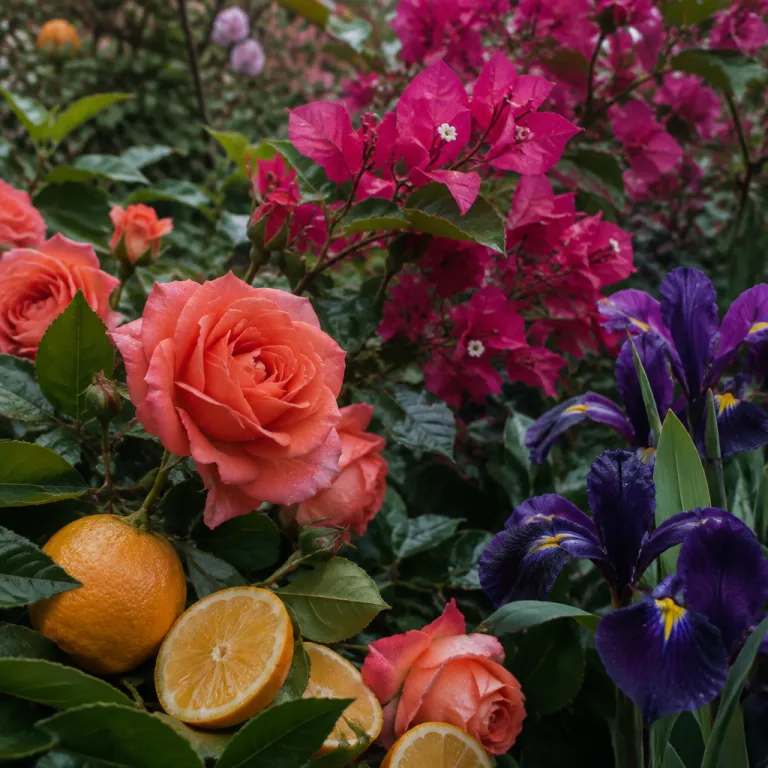
From luxe calme volupté to scented canvases
The phrase luxe calme volupté evokes a scented world of hushed opulence. In fragrance, this triad of luxe, calme and volupté becomes a structure, where rich materials meet sensuous calmness and a soft, enveloping trail. When perfumers speak of luxe calme volupté today, they often mean a composition that feels like silk on skin yet remains breathable and luminous, a quiet luxury rather than a loud statement.
Henri Matisse translated this idea visually in his 1904 painting Luxe, calme et volupté, where bathers lounge in a Mediterranean dreamscape. That canvas, steeped in early fauvism and now in the Musée d’Orsay, already suggests a perfume pyramid, with fresh green notes in the landscape, a fruity floral impression in the sky’s color, and a deep, amber-like volupté in the shadows. For fragrance lovers, the painting becomes a kind of olfactory poem, a verse Baudelaire might have written in color rather than ink, echoing the line “Là, tout n’est qu’ordre et beauté, / Luxe, calme et volupté.”
In that same cultural moment, Paul Cézanne, Paul Signac and Georges Seurat explored post-impressionist and neo-impressionist techniques that feel surprisingly close to modern perfumery. Each dot of color in a pointillist painting functions like a raw material, precise yet transformed when viewed from a distance, just as a single drop of jasmine or iris shifts within a complex accord. When we read a poem by Baudelaire or contemplate Les Fleurs du mal, we sense how words, like notes, can create a place sensuous enough to rival any bottle on our dressing table, turning language itself into a fragrant architecture.
Henri Matisse, fauvism and the birth of scented color
Henri Matisse did not compose perfumes, yet his work feels steeped in luxe calme volupté. In his painting often known as Luxe, calme et volupté, the bathers appear suspended in sensuous calmness, as if the air itself carried a delicate fruity floral haze. The scene suggests a woman inhaling a private cloud of volupté, wrapped in both luxe fabrics and inner calme, a visual equivalent of a soft, musky oriental fragrance.
This fauvist period, with its violent greens and saturated reds, can be read as an olfactory manifesto. The famous green stripe in the 1905 portrait of a woman with a hat, often titled Woman with a Hat, slices the face like a sharp galbanum note over creamy florals. That same tension between fresh green brightness and voluptuous depth is what gives many modern luxe fragrances their poised balance between clarity and comfort, from classic chypres to contemporary fruity floral extraits.
When we compare Henri Matisse to Paul Signac or Georges Seurat in their neo-impressionist phase, we see two paths toward scented art. Signac’s pointillist harbor views, often framing an open window or shoreline, feel like airy eaux de Cologne, while Matisse’s luxe interiors resemble dense extraits. For readers interested in how such visual codes later shaped grooming rituals and scented gestures, the history of barbershop fragrance traditions is explored in depth in this article on the art of barber after shave and scented traditions, which shows how color, texture and ritual converge around scent and how even a simple splash can suggest luxe calme volupté.
Baudelaire, les Fleurs du mal and the perfume of words
Long before niche perfumery embraced literary references, Charles Baudelaire had already composed a fragrant universe in verse. In the 1857 collection Les Fleurs du mal, each poem functions like a miniature fragrance, where luxe, calme and volupté are distilled into rhythm and image. The famous poem Invitation au voyage, often cited in fragrance discourse, reads almost like a brief for a modern oriental perfume built around warm woods, balsams and soft musks.
In that poem, the verse Baudelaire offers about luxe, calme, volupté describes a room glowing with warm woods, soft fabrics and a woman bathed in scented light. The text suggests a fruity floral accord wrapped in balsams, a place sensuous enough to feel both intimate and infinite, like a private salon perfumed with amber and orange blossom. When perfumers reference Les Fleurs du mal today, they often aim for this same sensuous calmness, where pleasure is intense yet strangely serene, echoing the duality of beauty and melancholy in Baudelaire’s lines.
Contemporary creators such as Francesca Bianchi have taken this literary heritage seriously, crafting fragrances that feel like private poems on skin. Her work often balances fresh green facets with animalic volupté, echoing the duality in Baudelaire’s lines and titles such as The Lover’s Tale (2018) or Under My Skin (2017). For those fascinated by how gourmand notes translate this heritage into taste, the cultural dialogue between patisserie and perfume is beautifully examined in a piece on the allure of scented confections, where vanilla, cocoa and fruits become edible fleurs du mal and where luxe calme volupté is tasted as much as smelled.
From open windows to olfactory interiors
Paintings of interiors and windows have always invited perfumers to imagine the air between inside and outside. When Matisse paints an open window in Collioure in 1905, the contrast between the cool sea breeze and the warm room suggests a fresh green top note over a musky base. That same tension appears in many compositions built around luxe calme volupté, where a bright opening slowly yields to intimate volupté and a lingering, velvety drydown.
Paul Signac and Georges Seurat often framed harbors and rivers through a window-like structure, creating a sense of distance that feels almost like sillage. Their neo-impressionist technique, with countless dots of color, mirrors how perfumers layer micro doses of materials to achieve sensuous calmness without heaviness. Even Van Gogh, though not a neo-impressionist in the strict sense, painted windows and interiors whose saturated yellows and blues evoke the warmth and melancholy of certain amber or iris fragrances, suggesting both solace and intensity.
Inside these painted rooms, we often imagine a woman seated near the window, perhaps adjusting a hat or reading a poem. In a Matisse luxe interior, that woman might wear a fruity floral perfume with a green stripe of galbanum, echoing the Woman with a Hat portrait. Articles on how evolving fragrance pipelines reshape iconic perfume ad campaigns, such as the analysis available at this study of evolving fragrance campaigns, show how such visual tropes of the open window and scented interiors still guide luxury storytelling today, reinforcing the link between image, atmosphere and olfactory luxe.
Reading price, luxe and volupte in perfume culture
For fragrance lovers, the word luxe often immediately evokes price, yet the relationship is more nuanced. A high price can signal rare materials or meticulous craft, but true luxe calme volupté lies in how a scent shapes time, space and mood. When a composition creates sensuous calmness, turning a crowded commute into a private poem, it delivers volupté beyond its cost and becomes a daily ritual of quiet opulence.
Historically, the association between luxe and painting was explicit, as wealthy patrons commissioned portraits that displayed fabrics, jewels and sometimes even flacons. A portrait of a woman with a hat or a woman seated by a window signaled not only social status but also access to scented oils and imported resins. In this sense, the visual language of fauvism, neo-impressionism and later modern art helped codify what we now read as olfactory luxe, from fresh green chypres to dense, fruity floral extraits that still echo salon culture and Belle Époque refinement.
Today, niche houses and independent perfumers such as Francesca Bianchi reinterpret this heritage by focusing on emotional richness rather than sheer price. Her fragrances often feel like intimate bathers scenes, where skin, water and air merge into a single, place sensuous accord. When collectors speak of owning several Francesca Bianchi perfumes, they often describe them as portable paintings, each bottle a small museum of luxe calme and carefully measured volupté, curated on a dressing table instead of a gallery wall.
How to smell art: practical paths for fragrance lovers
Visiting a museum with a perfumer’s nose transforms the experience of art. Standing before a Matisse luxe canvas or a neo-impressionist painting by Paul Signac, you can mentally translate each color into a note, from citrus to resins. A field of bathers becomes a skin accord, while a green stripe or open window suggests fresh green herbs, ozonic air or even aldehydes, turning the gallery into an invisible perfume organ.
When you read a poem such as Invitation au voyage from Les Fleurs du mal, try to map each verse Baudelaire writes to an olfactory impression. The line about luxe, calme, volupté might evoke sandalwood, benzoin and a soft, musky volupté, while other stanzas hint at salty breezes or smoky incense. Over time, this exercise trains your nose to perceive perfumes as layered works of art rather than simple products with a price and a list of notes, deepening both literary and olfactory literacy.
At home, you can create your own place sensuous corner by pairing fragrances with reproductions of paintings or lines from a poem that move you. A Van Gogh interior might sit beside a wheat-tinted amber, while a Signac harbor scene could accompany a marine cologne with a discreet fruity floral twist. In doing so, you weave together art, poetry and perfume into a personal museum of luxe calme volupté, where calme, luxe and volupté coexist in every breath and where each bottle becomes a tiny, curated exhibition.
Key figures and cultural statistics around perfume and art
- The Musée International de la Parfumerie in Grasse preserves thousands of perfume-related objects in its collections, illustrating how closely scent, painting and decorative art have been linked across centuries and how institutional archives now treat fragrance as cultural heritage.
- Industry reports suggest that niche and artisanal fragrances, often inspired by literature and fine art, now represent a significant share of the prestige fragrance market by value, reflecting a rising appetite for cultural storytelling such as luxe calme volupté and narrative-driven compositions.
- Major museums including the Louvre and the Metropolitan Museum of Art have hosted numerous exhibitions in recent decades explicitly connecting perfume, painting and sculpture, showing institutional recognition of fragrance as an art form and encouraging collaborations between perfumers and curators.
- Market research from firms such as Euromonitor indicates that premium and luxury fragrances, the segment most associated with luxe and volupté, have consistently outpaced mass-market scents in growth as consumers seek more sensuous calmness and artistic narratives, often expressed through limited editions and gallery-inspired bottles.
FAQ
How does luxe calme volupté translate into modern perfume design ?
Contemporary perfumers interpret luxe calme volupté as a balance between rich, high quality materials and a sense of inner quiet on skin. They often combine opulent bases such as amber, woods or musks with airy, fresh green or citrus top notes to create sensuous calmness rather than heaviness. The goal is a fragrance that feels enveloping and voluptuous yet still breathable and elegant throughout its wear, like a cashmere shawl rather than a heavy cloak.
Which painters are most influential for fragrance creators ?
Henri Matisse, Paul Signac, Georges Seurat, Paul Cézanne and Van Gogh are frequently cited by perfumers for their use of color, light and atmosphere. Works such as Matisse luxe bathers scenes, Signac’s neo-impressionist harbors and Van Gogh’s interiors with open windows offer visual templates for translating mood into scent. These paintings inspire everything from fruity floral bouquets to smoky, resinous accords that echo their palettes and the emotional temperature of their light.
How do Baudelaire’s poems influence niche perfumery ?
Collections like Les Fleurs du mal and the poem Invitation au voyage provide emotional and symbolic frameworks for many niche fragrances. Perfumers draw on Baudelaire’s language of luxe, calme and volupté to design compositions that feel both decadent and introspective. References to specific poems or verses often appear in fragrance names, marketing texts and even the structure of accords, with top, heart and base notes mirroring the stanzas of a poem.
Can a fragrance really evoke a painting or museum experience ?
Many perfume houses deliberately construct scents to mirror the atmosphere of specific paintings, galleries or historical interiors. By combining visual references, such as a green stripe of color or a sunlit window, with corresponding olfactory notes, they create immersive experiences that recall museum visits. For enthusiasts, pairing a fragrance with a favorite artwork can deepen appreciation of both mediums and turn a gallery visit into a multi-sensory ritual.
Is high price always necessary to achieve a sense of luxe and volupte ?
While rare ingredients and small scale production can raise price, the perception of luxe and volupté depends more on composition, balance and emotional impact. Well crafted fragrances at moderate prices can still deliver a strong sense of luxe calme volupté if they are thoughtfully structured. Collectors often mix high end extraits with more accessible creations, focusing on sensuous calmness and artistry rather than cost alone, and curating wardrobes that feel like personal galleries of scent.