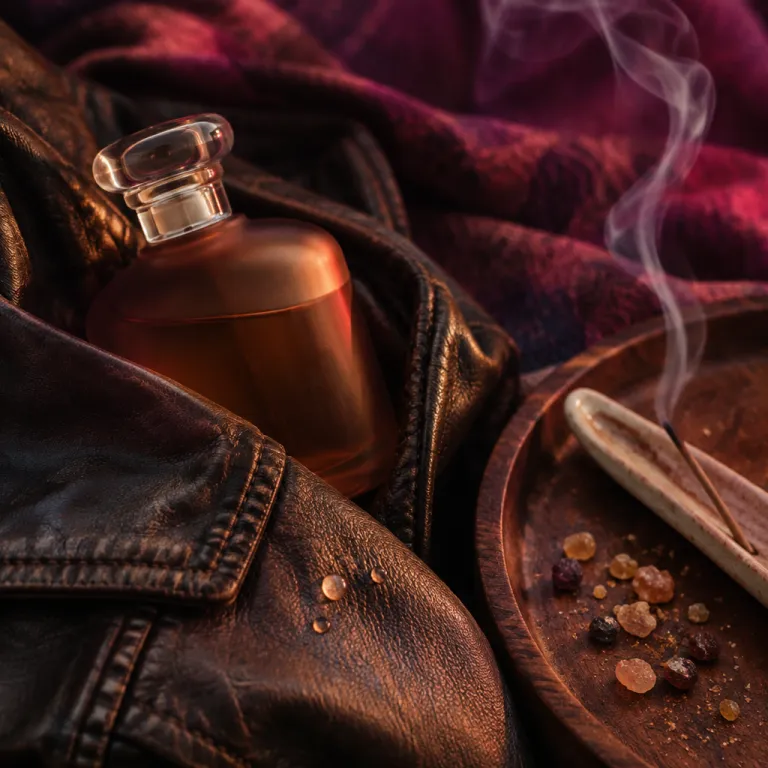
Why gothic perfumes of incense and leather feel right in late October
As the evenings stretch longer and the air turns sharp, many fragrance lovers feel pulled toward gothic perfumes of incense and leather. The shift in light makes a deep, shadowy scent feel natural on skin, where airy citrus once lived, and the contrast between cold air and warm perfume heightens every nuance. This is when a goth-leaning fragrance, with incense smoke and dry woods, finally matches the mood outside your window.
Part of the appeal lies in how these gothic compositions echo seasonal rituals. Church-like incense usually comes from frankincense, myrrh and other aromatic resins, which recall candlelit spaces, while leather accords suggest worn jackets and theatre seats after a late show. When a perfume blends oud, patchouli and ambered sandalwood with a thread of jasmine or clary sage, the fragrance feels like a story about night rather than day.
There is also a psychological comfort in wearing something dark when the world feels in between seasons. A good gothic fragrance wraps you in incense smoke and warm woods, yet still lets your own skin scent breathe through the notes. You are not hiding behind perfume; you are choosing a scent that matches the black sky, the damp woods and the low hum of late October streets.
Incense, resins and smoke: building a gothic scent wardrobe
To understand gothic perfumes of incense and leather, start with the backbone: incense and its relatives. Classic church-style smoke often comes from frankincense, myrrh and benzoin, which give a cool, mineral brightness before they turn warm and balsamic. Layered with labdanum, styrax or other rich resinous materials, the aroma can suggest old stone, candle wax and black shadows on vaulted ceilings.
Resins alone can feel almost abstract, so perfumers often anchor them with woods and spices. Dry woods such as cedar or guaiac, paired with incense-style accords and a trace of black pepper, create a structure that feels architectural rather than fog-machine heavy. When sandalwood or creamy ambered sandalwood enters the blend, the perfume becomes smoother and more skin-like, softening the dark edges without losing that goth character.
For many readers, the question is not only which notes to love but which format to wear. A concentrated perfume oil can make incense-heavy scents feel intimate and close, while an eau de parfum projects more clearly into the chilly night air. If you are curious about how different formats change the way a scent behaves on you, a guide to choosing the right fragrance format for your lifestyle can be a helpful reference point.
Leather, earth and the line between costume and character
Leather is where gothic perfumes of incense and leather step from sacred into sensual. Birch tar, castoreum-style accords and smoky woods can make a fragrance smell like a black jacket warmed by body heat, rather than a plastic Halloween prop. When perfumers weave these notes with patchouli, vetiver and damp-earth accords, the result is a scent that recalls graveyard soil after rain, yet still feels strangely elegant.
The difference between a costume effect and a lived-in goth aura often comes down to balance. If incense smoke, oud and dry woods dominate without contrast, the perfume can feel like a haunted house corridor; add jasmine, clary sage or a soft amber-sandalwood accord, and suddenly the same notes feel wearable. You want the deep, dark facets of incense and leather to frame your personality, not replace it.
Context matters as much as composition when you wear these perfumes. A single spray of an eau de parfum on the back of a scarf can whisper leather and woods all evening, while a dab of perfume oil on the wrist keeps the scent close enough for only you and a chosen few to notice. For those who enjoy scent rituals at home as much as on skin, exploring rose-based candle rituals can offer a gentler counterpoint to the intensity of gothic leather and smoke.
How to wear dark scents beautifully on late October skin
Wearing gothic perfumes of incense and leather in late October is about intention, not volume. Start with one statement area, such as the hollow of the throat or the inside of the elbow, and let the fragrance unfold slowly in the cold air. On very chilly nights, a touch of perfume oil under a sweater cuff can create a private cloud of incense smoke, woods and ambered sandalwood that moves with you.
Think in terms of contrast when you choose which goth-leaning scents to wear. A fragrance built around frankincense, myrrh, dry woods and smoky accords will feel more austere, while one that adds jasmine, clary sage or a hint of black pepper will feel more human and less ceremonial. If you love oud, patchouli or sandalwood-amber blends, look for perfumes where these notes are cushioned by smooth resins and a good balance of lighter facets, so the overall scent remains wearable rather than overwhelming.
Practicalities matter too, especially when you are weighing price, strength and setting. An eau de parfum with a strong incense and leather profile may be perfect for an outdoor Halloween gathering, while a softer fragrance or perfume oil suits an office where scent can travel. If you are building a small wardrobe of dark perfumes, consider mixing one rich resinous incense, one leather-and-woods blend, and one slightly sweeter ambered sandalwood option, so you can match your goth mood to the exact night you are stepping into.
FAQ
Are incense and leather fragrances appropriate for daytime wear in late October ?
Incense and leather fragrances can work beautifully in daytime if you control both dosage and placement. Choose a scent where the incense smoke and dry woods are balanced by softer notes like jasmine, clary sage or sandalwood, then apply lightly to one pulse point. In cool weather, even a deep, dark perfume can feel surprisingly subtle once it settles into your skin and clothing.
What is the difference between incense based perfumes and oud heavy scents ?
Incense-based perfumes usually focus on frankincense, myrrh and other resins, which give a cool, mineral and slightly citrus opening before turning warm and balsamic. Oud-heavy scents highlight the dense, sometimes animalic wood facet of agarwood, often paired with patchouli, ambered sandalwood and spices like black pepper. Both can smell dark and gothic, but incense leans more airy and sacred, while oud leans more smoky, leathery and intimate.
How can I avoid smelling too strong when I wear dark gothic scents ?
To avoid overwhelming those around you, start with the lightest format and build up only if needed. A small amount of perfume oil on covered skin or a single spray of eau de parfum on the back of a scarf often gives enough projection without filling a room. Focusing on one or two pulse points, rather than misting clothing and hair, keeps even rich resinous compositions under control.
Do incense and leather fragrances usually cost more than fresher scents ?
The price of incense and leather fragrances varies widely, and it depends more on raw materials and concentration than on the style itself. Natural oud, certain resins and high-quality sandalwood can raise the cost, while more streamlined formulas using synthetic woods and resins may be more accessible. When you compare perfumes, think about how often you will wear that deep, dark scent, because a small bottle that you love and finish can be better value than a larger one that gathers dust.
What is a good entry point for someone new to gothic style fragrances ?
If you are new to gothic style fragrances, start with scents where incense or leather is only one part of a broader composition. Look for perfumes that pair dry woods and soft smoke with familiar notes like jasmine, clary sage or a gentle amber-sandalwood accord, so the overall effect feels moody but not theatrical. Sampling in different formats, such as lighter eau de parfum or discreet perfume oil, lets you explore this goth-leaning territory without committing to a full bottle immediately.