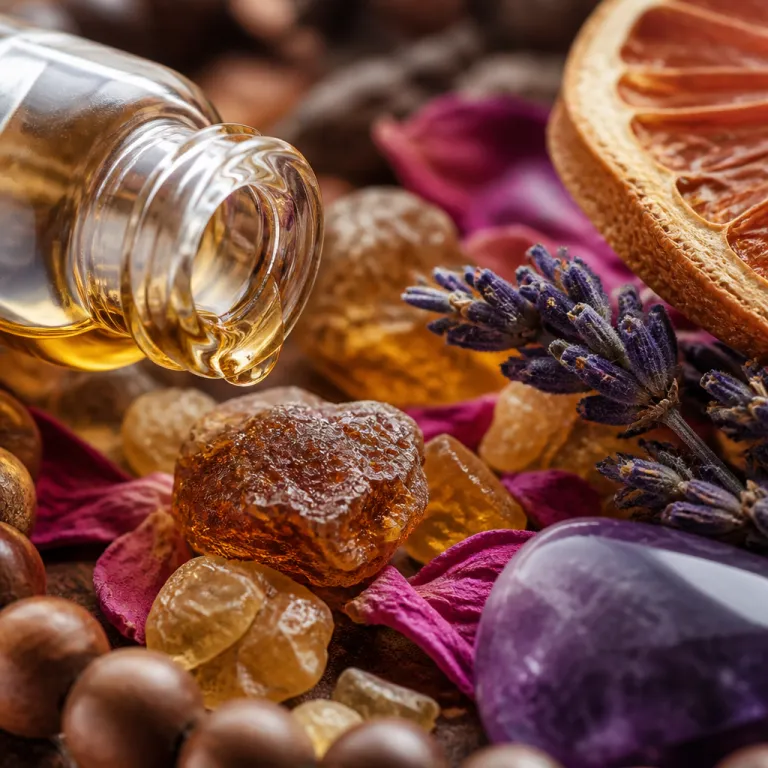

How candles and spirituality intertwine through scent and flame
The sensory bridge between everyday space and sacred atmosphere
Candles and spirituality are inseparable whenever fragrance lovers seek quiet reflection. A single candle with a steady flame can turn an ordinary room into a sanctuary where perfume, light, and intention merge in a subtle form of magic. In that intimate glow, spiritual awareness sharpens and the scented air feels almost like a tactile presence.
Across cultures, spiritual practices use candles as fragrant messengers between the material world and the stars above. When you choose spiritual candles infused with essential oil accords, you are not only selecting a product but shaping the energy that will surround your meditation or prayer. The right candle color, wax quality, and perfume profile can either calm your nervous system or awaken your focus for more precise rituals.
Ritual timing, memory, and the role of the flame
Perfumistas often ask how candles help them deepen their connection to inner healing. The answer lies in how lighting candles structures time, because the act of lighting a candle marks the start of a ritual and signals to the brain that a different state of attention is required. Over repeated days, this simple lighting candle gesture becomes a powerful anchor that links scent, light, and spiritual intention.
From a fragrance analyst’s perspective, every glass candle is a miniature olfactory architecture. The blend of soy wax or mineral wax, the concentration of essential oil, and the diffusion pattern of the scented candles all influence how the energy of a room evolves during meditation. When candles and spirituality align, the perfume pyramid of the candle mirrors the emotional arc of the ritual itself.
Color symbolism and simple examples of spiritual use
White candles, for example, are often chosen for clarity, purification, and gentle healing. Their soft light and neutral candle color allow the fragrance to take center stage, whether it is a cool incense accord or a creamy floral bouquet. Many spiritual practitioners keep a set of white candles specifically for cleansing spells and for resetting the atmosphere after intense days.
Colored candles add another layer of meaning for those who read color as a language of intention. Deep blue or violet spiritual candles are frequently used for meditation, while green or gold colored candles may support abundance rituals or gratitude practices. In each case, the candle magic emerges from the synergy between hue, flame movement, and the scented trail that lingers in the air.
Choosing the right candle set for spiritual rituals and occasions
How to evaluate a candle wardrobe for ritual use
Selecting a candle set for spiritual rituals should feel as deliberate as choosing a signature perfume. You weigh the regular price against the emotional value, the fragrance profile against the quality of light, and the overall product design against how it will live on your altar or bedside table. For fragrance lovers, candles and spirituality become a form of wardrobe building, with different sets reserved for different moods and occasions.
When evaluating a gift set that includes spiritual candles, look beyond the packaging and read how the scents are curated. A thoughtful gift set might pair white candles for purification, colored candles for intention work, and one long lasting glass candle for nightly meditation, all harmonized by a coherent fragrance story. This kind of set regular curation matters more than a temporary price sale because it shapes how easily you can move between daily rituals.
Reading reviews and comparing performance claims
Fragrance enthusiasts often compare rated stars and written reviews before committing to a higher price point. Pay attention to whether reviewers mention long lasting scent, clean burning soy wax, and whether the candles help them maintain focus during meditation or spiritual practices. A high rated stars average means little if users complain about weak fragrance throw or soot that interferes with the purity of the ritual space.
- Scan reviews for comments on burn time versus the hours claimed on the box.
- Note mentions of tunneling, soot, or uneven flames that could disrupt rituals.
- Prioritize feedback about fragrance strength in real living rooms, not just in-store tests.
Matching size, burn time, and emotional intent
For those who love both perfume and ceremony, a versatile candle set can cover several spiritual needs. One product might be a small white candle for quick morning intention setting, while another larger scented candle anchors evening healing rituals with deeper resins and woods. Matching the size and burn time to the length of your ritual ensures that the flame does not outlast your energy or fade before your spells are complete.
When you choose a fragrance focused gift set for a friend, consider their emotional landscape rather than only the regular price. Someone navigating grief may appreciate spiritual candles with soft floral notes and a gentle white candle color palette, while a person starting a new project might prefer brighter citrus accords in colored candles that signal momentum. For more guidance on curating a meaningful fragrance and candle box, you can study this detailed guide on how to choose a gift set that feels personal.
Price transparency also builds trust when candles and spirituality intersect in the luxury segment. Brands that clearly differentiate regular price from any price sale, while explaining the sourcing of essential oil ingredients and soy wax, signal respect for both the customer and the ritual. As an analyst, I consistently see that fragrance lovers are willing to pay more when they understand how a product supports their spiritual practices over many days.
Fragrance, mood, and energy : how scented candles shape spiritual states
What neuroscience suggests about scent and emotion
Olfaction is the most direct pathway from the external world to the emotional brain. When you light a candle during meditation, the scented molecules travel quickly to regions that regulate memory, mood, and perceived energy. This is where candles and spirituality intersect most powerfully for fragrance devotees who already understand how perfume can transform a difficult day.
Different essential oil blends in spiritual candles can support specific emotional intentions. Resinous notes like frankincense and myrrh often deepen spiritual practices, while lavender or chamomile in soy wax bases can soften anxiety and prepare the mind for healing rituals. Citrus and aromatic herbs, by contrast, bring a brighter light to the room and can help clear negative energy after intense social encounters.
From clinical findings to everyday ritual tools
Neuroscience research on fragrance and mood shows that certain scents reliably influence stress markers. For example, a 2013 randomized trial in the Journal of Alternative and Complementary Medicine reported that lavender aromatherapy was associated with reduced anxiety scores in participants undergoing stressful procedures. When those same accords are translated into long lasting scented candles, they become tools for daily spiritual hygiene rather than occasional luxuries. For a deeper look at how scent shifts emotional states, fragrance lovers can read this analysis on what neuroscience says about scent and mood.
From a ritual design perspective, the color and intensity of the flame matter as much as the perfume. A calm, steady flame in a glass candle suggests stable energy, while a flickering flame may indicate drafts, untrimmed wicks, or sometimes emotional agitation in the room. Observing the flame during candle magic or meditation can become a form of divination that complements the fragrance narrative.
Using color and layering to fine tune spiritual focus
Many practitioners use white candles when they want a neutral base for spells or prayer. The white candle color reflects more light, creating a sense of spaciousness that pairs well with airy incense or aldehydic floral notes, and it symbolically invites clarity into the ritual. Colored candles, on the other hand, allow you to code your intentions more specifically, such as red for courage or pink for self compassion.
For fragrance enthusiasts, the most refined spiritual practices often involve layering. You might wear a skin scent that echoes the essential oil blend in your spiritual candles, then use lighting candles as the signal to shift from ordinary tasks into sacred time. Over repeated days, this pairing of perfume and candle magic trains your nervous system to associate certain accords with safety, focus, and emotional release.
Ritual design : from lighting candle to closing the sacred space
Opening the ritual with intention and care
Every spiritual ritual has a structure, even when it feels spontaneous and fluid. With candles and spirituality, that structure usually begins with lighting candle moments that mark the threshold between everyday life and sacred time. For fragrance lovers, this first spark is also the moment when the perfume of the candle begins to bloom and reshape the room’s atmosphere.
A simple yet effective ritual might start with choosing one candle based on your intention for the day. You could select white candles for clarity, colored candles for specific spells, or a particular glass candle whose scent profile matches the emotional tone you want to cultivate, such as grounding woods or uplifting citrus. Holding the unlit candle for a few breaths allows you to imprint your intention before you introduce flame and light.
Burning practices that support both magic and performance
Once the wick is lit, give the scented candles at least one full melt pool cycle. This means allowing the soy wax or other wax to liquefy across the entire surface, which prevents tunneling and supports long lasting, even fragrance diffusion during future rituals. Treating the candle as a respected product rather than a disposable object reinforces the seriousness of your spiritual practices.
- Trim wicks to around 5 mm before each burn to reduce soot and mushrooming.
- Limit individual sessions to three or four hours to protect both wax and glass.
- Keep lit candles away from drafts so the flame remains steady for focused work.
Many practitioners integrate spoken or silent spells into their candle magic. You might state a clear intention while focusing on the candle color and the way the flame dances, then visualize negative energy dissolving in the warmth of the light, or imagine healing energy radiating outward from the candle into your body and home. The key is consistency, repeating similar words and gestures so that your nervous system associates them with safety and focus.
Closing the ritual and preserving the candle
Closing the ritual is as important as opening it, especially when working with intense emotions. Extinguish the candle gently rather than blowing it out harshly, because a calm ending helps preserve the wick and maintains the symbolic continuity of the magic, while also protecting the fragrance from smoke taint. Some spiritual candles are designed as part of a set regular sequence, where you use one candle for opening, another for the main meditation, and a final white candle for closure.
On days when you cannot access matches or a lighter, you can still honor the structure of your ritual. Techniques such as using another flame source or creative friction methods allow you to maintain the integrity of lighting candles without breaking the contemplative mood, and you can explore refined approaches in this guide to elegant ways to light a candle without a lighter. Over time, these small acts of care around your candles and spirituality practice become as meaningful as the fragrances themselves.
Safety, quality, and ethics in spiritual candle collections
Wax, wicks, and indoor air considerations
For serious fragrance lovers, the quality of a candle is never a secondary concern. When candles and spirituality converge, poor formulation can undermine both the sensory pleasure and the symbolic integrity of the ritual, especially if soot, off notes, or unstable flames distract from meditation. Evaluating a candle as rigorously as a fine perfume protects both your lungs and your spiritual focus.
Wax composition is a central factor in how spiritual candles perform over time. Many practitioners prefer soy wax for its cleaner burn and slower, long lasting release of essential oil based fragrance, while others appreciate blended waxes that support more complex diffusion patterns in scented candles. Whatever the formula, a transparent ingredient list and clear burn time estimates should be non negotiable features of any spiritual product.
Container design also shapes the experience of candles and spirituality. A well made glass candle offers both safety and aesthetic pleasure, protecting surfaces from heat while allowing the flame to project a steady light that supports meditation and healing work. Thin or poorly tempered glass, by contrast, can crack under heat stress and disrupt the ritual with safety concerns.
Colorants, fragrance materials, and ethical sourcing
Colorants and fragrance materials deserve particular scrutiny from fragrance connoisseurs. High quality colored candles should use stable pigments that do not bleed or smoke, and the candle color should remain consistent as the wax melts, preserving the symbolic language of the ritual, while the fragrance should rely on safe, well tested aroma molecules or essential oils. Ethical brands will often explain how their candles help minimize indoor air pollution while still delivering a rich olfactory experience.
Pricing transparency is another marker of respect in the spiritual candle market. When brands clearly differentiate regular price from any price sale and explain how factors like soy wax sourcing, essential oil purity, and artisanal pouring techniques influence the final price, they invite informed choices rather than impulse purchases. Fragrance lovers who understand these cost drivers can build a candle set that aligns with both their budget and their spiritual practices.
Finally, ethical considerations extend to how candles and spirituality intersect with environmental impact. Refillable glass candle formats, responsibly sourced waxes, and recyclable packaging all reduce waste while still allowing you to enjoy the magic of lighting candles for spells, meditation, or simple daily grounding, and these details matter to a community that values both beauty and responsibility. Treating each candle as a long term ritual companion rather than a disposable object honors the energy, materials, and craftsmanship embedded in every flame.
Matching scented candles to moods, occasions, and spiritual intentions
Designing a candle wardrobe for different times of day
Fragrance lovers already match perfumes to occasions, and the same logic applies to spiritual candles. When candles and spirituality guide your day, you can curate a wardrobe of scents and colors that align with different emotional landscapes, from quiet dawn meditations to intense evening spells. This approach turns your candle shelf into a living palette of energy and intention.
For morning practices, many people choose white candles with bright, citrus forward essential oil blends. The pale candle color and clean flame create a sense of clarity that pairs well with short meditation sessions, while the light fragrance helps you set a gentle intention for the day without overwhelming your senses. In contrast, evening rituals often call for deeper resins, woods, or spices in colored candles that signal closure and emotional processing.
Using candles as emotional anchors
On emotionally heavy days, spiritual candles can function as anchors that hold space for healing. A long lasting glass candle with soft floral or amber notes can accompany journaling, breathwork, or quiet reflection, while the steady light reminds you that even in darkness, a small flame persists, and this symbolism is especially powerful when working through negative energy. Many practitioners reserve a specific candle set for grief or transition rituals so that the scent itself becomes a familiar companion during difficult periods.
Celebratory occasions invite a different style of candle magic. You might arrange a set regular pattern of colored candles around a central white candle, each one representing a wish, gratitude, or future intention, and then light them in sequence while focusing on the stars you hope to reach in the coming months. The combined fragrance of multiple scented candles can create a complex, almost perfumery level accord that feels both festive and sacred.
Color correspondences for more formal spell work
For those who practice more formal spells, matching candle color to intention is a long standing tradition. Green or gold candles often support prosperity work, blue may aid communication, and white candles remain the universal stand in when no specific hue is available, while the choice of essential oil blend fine tunes the emotional register of the ritual. Over time, you will notice which combinations of color, scent, and flame quality consistently produce the emotional shifts you seek.
Ultimately, candles and spirituality offer fragrance lovers a way to translate their olfactory passion into daily, embodied practice. By paying attention to how different products perform, how various waxes and scents influence your energy, and how lighting candles marks the thresholds of your day, you transform simple objects into reliable tools for self knowledge and quiet magic. The more consciously you curate your spiritual candles, the more each flame becomes a precise instrument for shaping mood, memory, and meaning.
Key figures and data about candles, fragrance, and spiritual practices
- Industry surveys from trade associations suggest that a substantial share of candle purchases are linked to aromatherapy, wellness, or spiritual practices, underscoring how strongly candles and spirituality are connected in consumer behavior.
- Market research firms consistently report that the global scented candle category sells hundreds of millions of units annually, with premium soy wax and beeswax products growing faster than basic paraffin, reflecting rising demand for cleaner burning spiritual candles.
- Large scale wellness surveys indicate that a significant portion of adults use some form of meditation, breathwork, or relaxation ritual each week, and many of these practices incorporate lighting candles as a visual and olfactory focus.
- Consumer review analyses on major e commerce platforms show that candles rated four stars and above are significantly more likely to mention long lasting fragrance and clean burn, confirming that performance metrics directly influence perceived spiritual value.
- Indoor air quality studies suggest that high quality soy wax or beeswax candles with cotton wicks emit fewer particulate pollutants than low grade paraffin alternatives, which is crucial for people who use candles daily in small meditation spaces.
FAQ about candles, fragrance, and spirituality
How do I choose the right scented candle for meditation ?
Select a candle with a calm, balanced fragrance profile and clean burning wax. Look for soy wax or high quality blends, moderate essential oil concentration, and a color that matches your intention, such as white for clarity or blue for serenity. Test how the scent feels during a short session before committing it to longer spiritual practices.
Are scented candles safe to use every day in small spaces ?
Daily use can be safe if you choose well formulated candles and ventilate the room. Opt for soy wax or beeswax, cotton wicks, and reputable brands that publish safety data, then limit burn sessions to a few hours and trim wicks regularly. If you notice irritation or headaches, switch to lighter scents or unscented white candles for part of your routine.
What candle colors are best for cleansing negative energy ?
White candles are traditionally used for purification and clearing negative energy because they symbolize clarity and neutrality. Many practitioners also use blue or violet colored candles when working on emotional healing or spiritual protection, pairing them with incense like frankincense or sage. The most important factor is consistency, using the same colors and scents whenever you perform cleansing rituals.
Can I combine personal fragrance with spiritual candle rituals ?
Yes, layering your own perfume with spiritual candles can deepen the sensory impact of a ritual. Choose a skin scent that harmonizes with the candle’s essential oil notes so the two do not compete, then apply the fragrance shortly before lighting the candle. Over time, your brain will associate that combined scent profile with focus, safety, and spiritual intention.
How do I know if a candle is worth its higher price ?
A higher price is justified when the candle offers cleaner ingredients, better fragrance quality, and longer, more even burn performance. Check whether the brand discloses wax type, essential oil sourcing, and realistic burn times, then read reviews that mention long lasting scent and clean glass after burning. If the candle consistently supports your rituals without distraction or residue, its value often exceeds the regular price tag.