The priming effect: when the eye edits the nose
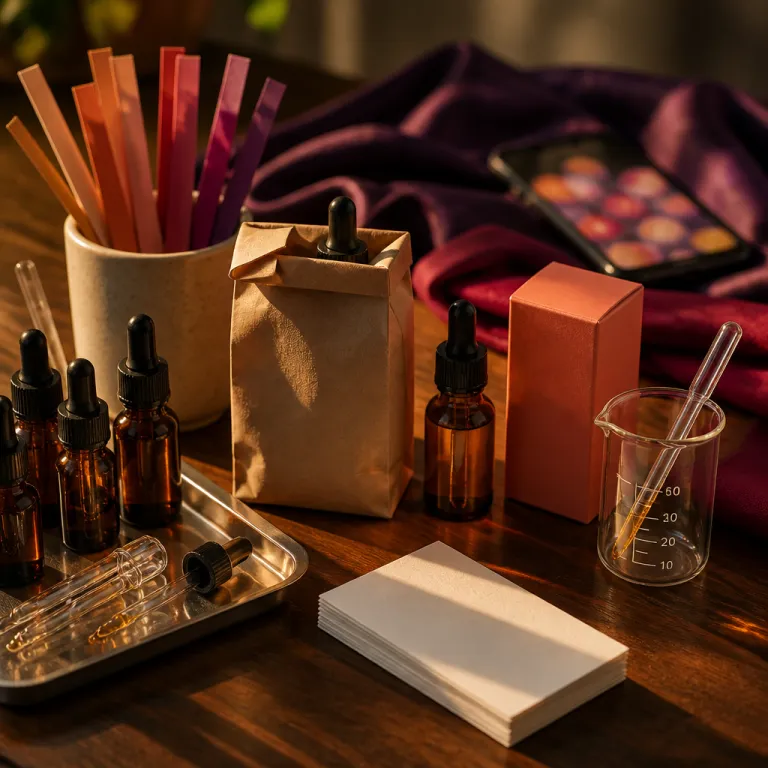
Walk into any perfume boutique and you will notice something quietly radical. Before a single fragrance touches your skin, the bottle, the logo and the display already start to guide your scent expectations and shape how social media influence perfume choice in your mind. Neuroscience research on olfaction shows that when the brain receives visual and contextual cues about perfumes, it literally rewires how we register the same scent on a blotter.
In controlled tests, the identical perfume formula is rated as higher quality when shown in a heavy glass flacon with a luxury price, and as cheap when poured into a plain vial with a discount sticker. That is the halo effect at work, and social media multiplies it, because platforms such as Instagram and TikTok flood us with perfectly lit images of fragrances long before consumers ever smell them. The result is that the perfume industry no longer sells only scent; it sells a media perfume narrative that primes consumer preferences before the first spray.
On Instagram, TikTok and other visual media channels, a single viral clip can define a fragrance as “clean girl”, “dark academia” or “quiet luxury” overnight. Those labels act as a mental guide that shapes how users experience the same fragrances on skin, nudging them to perceive musk as softer, vanilla as warmer or woods as more expensive. When social feeds allow users to binge such content, the impact social context has on your nose becomes impossible to ignore.
PerfumeTok and the new hierarchy of desire
Scroll through TikTok for five minutes and you will see how social media influence perfume choice more than any glossy magazine ever did. On PerfumeTok, a fragrance rarely goes viral because of its intricate scent structure; it explodes because the bottle photographs beautifully, the story fits a trend and users share dramatic reactions in short, addictive clips. The smell becomes one element in a wider theatre of aesthetics, status and community validation.
Creators on TikTok and Instagram Live constantly showcase products, lining up perfumes on marble trays, pairing them with outfits and promising endless compliments. This is where user-generated and other creator-generated content quietly reshapes the perfume industry, because consumers start to rank fragrances not by quality of raw materials but by how well they perform on camera and in reviews. When Instagram and TikTok trends crown a “signature scent”, they often reward the most media-friendly perfumes rather than the most nuanced compositions.
Luxury brands understand this shift and design marketing campaigns where social proof matters as much as the formula itself. They seed bottles to influencers, encourage users to share experiences and lean on social media to create the illusion that everyone already owns the fragrance. A widely discussed example is the rise of Maison Francis Kurkdjian Baccarat Rouge 540, which saw search interest and sales spike after repeated features in viral TikTok routines and “signature scent” roundups, illustrating how a single media perfume storyline can turn a niche composition into a mainstream status symbol.
At the same time, more niche brands and affordable alternatives use the same media platforms to position themselves as smart substitutes for luxury options, letting price-sensitive users compare scent profiles, read reviews and feel that social media allows them to make a savvy choice.
For readers who want a grounded reference point beyond the hype, curated lists of top men’s fragrance options, such as those found in a specialist guide to standout masculine scents, can help recalibrate expectations. These guides focus on how a scent actually develops on skin rather than how it looks in a fifteen second clip. Used wisely, they counterbalance the noise of media perfume trends with more measured, experience based evaluations.
The blind test paradox: what we like versus what we are told to like
Spend time in fragrance forums like Basenotes or Reddit and you will notice a striking pattern. When enthusiasts run blind tests, stripping away bottles, brands and price tags, the ranking of perfumes often looks nothing like the viral lists circulating on social media. This gap reveals how strongly social media influence perfume choice by attaching stories, status and aesthetics to fragrances before consumers ever smell them.
In blind trials, a so called luxury scent can lose to a modestly priced eau de parfum simply because the nose is finally judging quality without the noise of marketing. Users who usually follow Instagram and TikTok trends are sometimes shocked to learn that their favourite “it” fragrance performs worse in blind comparisons than quieter, less hyped options. That is the paradox; the perfumes we praise publicly on media platforms are not always the ones we reach for in private when nobody is watching.
Communities that value blind testing often rely on detailed user generated reviews that describe scent evolution, projection and longevity in concrete terms. They talk about how a fragrance behaves at 9 a.m. versus 3 p.m., echoing the kind of nuanced perspective you find in pieces like this analysis of why perfume smells different on your skin throughout the day. Such conversations allow consumers to separate the actual olfactory experience from the impact social narratives have on their expectations.
For everyday fragrance lovers, the lesson is clear and quietly radical. Try building your own blind rituals in store; spray three or four fragrances on blotters without checking the labels, rank them, then reveal the names and price only afterwards. Over time, this practice will show you whether your consumer preferences align more with your nose or with the media perfume stories that dominate your feeds.
From filters to augmented reality: how technology scripts our scent stories
Social platforms are no longer just feeds of static images; they are full ecosystems where augmented reality tools, shoppable videos and live streams guide how we meet new fragrances. Beauty industry players now use virtual try on filters, scented storytelling and interactive polls to let users imagine how a perfume might smell before they ever approach a counter. These technologies deepen how social media influence perfume choice, because they script the story of a scent long before the first spray hits skin.
Augmented reality experiences can allow consumers to visualise notes as colours, textures or landscapes, which subtly nudges them toward certain expectations. When media allows brands to overlay petals, leather or smoke around a bottle on screen, users start to anticipate those sensations and may rate the same fragrances differently compared with a neutral presentation. In this way, media platforms quietly become co perfumers, blending visual cues with marketing language to shape the final impression.
At the same time, live streams where experts and everyday users share experiences in real time have become a powerful guide for hesitant buyers. Hosts showcase products, compare affordable alternatives with more established luxury options and answer questions about price, performance and quality while viewers comment. This constant flow of social proof and user generated feedback can be helpful, but it also risks drowning out your own instinctive reaction to a scent.
Thoughtful consumers can use these tools without surrendering their nose. Watch how perfumes are framed on Instagram or TikTok, then deliberately test them in person, on skin, away from the screen’s glow. The goal is not to reject media perfume culture, but to reclaim the quiet moment where your wrist, your memories and your preferences speak louder than any algorithm.
Key figures on social media and perfume perception
- A survey by Kantar for the beauty industry found that more than 60% of fragrance consumers had been influenced by social media when choosing a new scent, highlighting how strongly social media influence perfume choice before in store testing (Kantar, 2020, “Beauty and Personal Care on Social”).
- Research in consumer neuroscience has reported that when the same fragrance or wine is presented with a higher price and luxury branding, participants often rate its quality significantly higher than when the price and packaging signal a budget option. One widely cited study by Plassmann, O’Doherty, Shiv and Rangel (2008) showed this effect for wine, and similar halo effects have been observed in fragrance evaluations (Journal of Consumer Research, 35(4), 623–633, doi:10.1086/592946).
- Publicly available analytics from TikTok indicate that hashtags related to perfume and fragrances, such as #perfume and #fragrance, have accumulated billions of views globally, confirming that Instagram and TikTok now function as primary guides for many users rather than secondary marketing channels (TikTok hashtag analytics snapshots, accessed 2023).
- Studies on augmented reality in retail suggest that virtual try on and immersive experiences can increase the time users spend engaging with a product page by more than 30%, which amplifies the impact social narratives have on final consumer preferences (Huang & Liao, 2017, Computers in Human Behavior, 72, 270–278, doi:10.1016/j.chb.2017.02.058).
References
- Huang, T. L., & Liao, S. (2017). A model of acceptance of augmented reality interactive technology: The moderating role of cognitive innovativeness. Computers in Human Behavior, 72, 270–278. https://doi.org/10.1016/j.chb.2017.02.058
- Plassmann, H., O’Doherty, J., Shiv, B., & Rangel, A. (2008). Marketing actions can modulate neural representations of experienced pleasantness. Journal of Consumer Research, 35(4), 623–633. https://doi.org/10.1086/592946
- Kantar (2020). Beauty and Personal Care on Social – Global Fragrance Consumer Survey.
- TikTok (2023). Internal and public hashtag analytics snapshots on #perfume and #fragrance view counts.
- Euromonitor International. Global Beauty and Personal Care and Fragrances insights (various years).