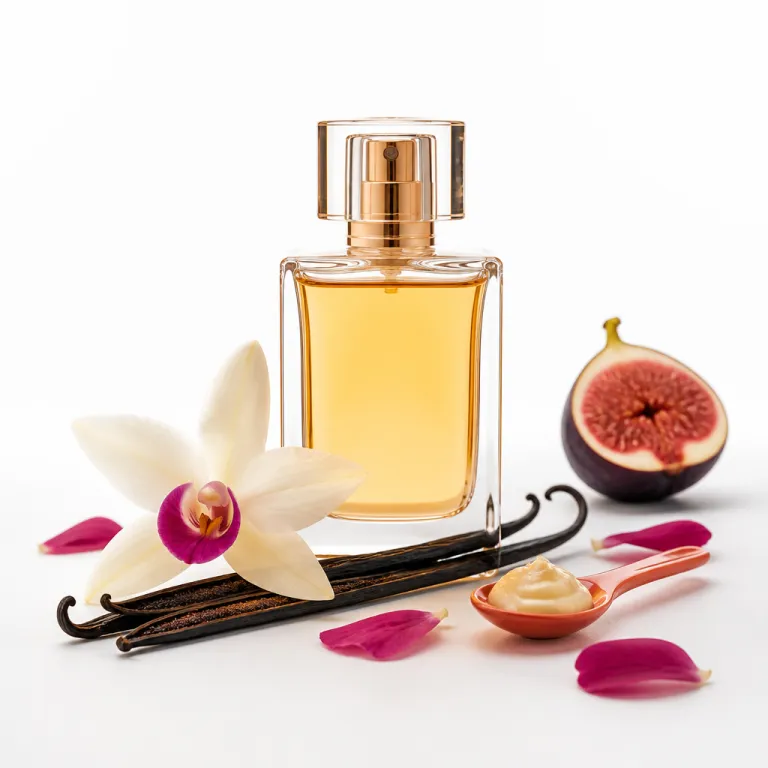
Why the best vanilla perfumes are not just sugar in a bottle
Vanilla sits in the base of many perfumes, yet most people only register a sweet blur. When you start to analyse the best vanilla perfumes on skin, you notice woods, smoke, leather and even a faint animalic warmth that has nothing to do with candy or ice cream. A refined vanilla perfume can feel like liquid silk over the skin, not a pink sugar cloud floating above it.
Natural vanilla comes from the cured pods of the vanilla orchid, and each origin shapes the smell in a different way. Madagascar vanille tends to be creamy and rich, Tahitian vanilla leans toward floral and almond facets, while Mexican vanilla often carries a drier, slightly spicy tone that anchors complex fragrances. When perfumers speak about top vanilla materials, they rarely mean only vanillin, because the full extract contains hundreds of molecules that give depth to the fragrance beyond simple gourmand sugar effects.
Many mass market perfumes vanilla compositions lean into the gourmand trend, piling caramel, praline and fruit syrup over a thin vanilla base. That style can be fun, but it often flattens the note into generic sweetness and hides the subtle smoky and woody edges that make vanilla fragrances truly memorable. If you love vanilla love stories on your skin, you will quickly notice that the best vanilla perfumes balance sweetness with contrast, using resins, spices or even oud to keep the structure upright rather than collapsing into a big, sticky haze.
From Shalimar to spiritueuse double vanille: how vanilla behaves in different styles
Look at the classics and you see that vanilla rarely stands alone, even in the top vanilla icons of perfume history. Guerlain Shalimar uses a generous dose of vanille wrapped in bergamot, iris and smoky leather notes, so the vanilla smells plush and slightly tarred rather than purely sweet. That same house later created Guerlain Spiritueuse Double Vanille, where the vanilla fragrances theme is amplified with rum, incense and cedar, giving a boozy, almost pipe tobacco warmth that feels more like a slow evening than a dessert plate.
Modern niche perfumery pushed this idea further with creations such as Dior Vanilla Diorama, Xerjoff Naxos and Profumum Roma Dulcis in Fundo, where vanilla scents are woven with citrus, tobacco, spices and woods. In these perfumes vanilla acts as a structural base note, softening sharp edges and extending the drydown, while the top and heart notes keep the composition from becoming cloying. If you compare a straightforward gourmand vanilla perfume with these more complex vanilla fragrances, you will notice that the latter keep evolving for hours, which makes them feel like serious fragrance rather than a fleeting sugar rush.
Vanilla also appears in less obvious contexts, such as the smoky vanilla in Tom Ford Tobacco Vanille or the creamy floral vanilla in Hermès Jour d'Hermès. In those perfumes vanilla love is expressed through contrast, where tobacco, citrus or white flowers play against the soft vanilla base to create tension. When you explore oriental bases, leather accords or even patchouli heavy blends, you will often find a quiet thread of vanilla running underneath, and a deep dive into patchouli perfume shows how that earthy note can make a soft vanilla accord feel darker and more adult.
Natural vanilla, synthetics and why your soft vanilla lasts or fades
Behind every bottle that claims to be one of the best vanilla perfumes sits a technical puzzle about ingredients, stability and cost. Natural vanilla absolute is extremely expensive, difficult to source consistently and can vary in smell from batch to batch, so perfumers blend it with synthetic vanillin or ethylvanillin to create reliable vanilla fragrances that still feel nuanced. Ethylvanillin is around three times stronger than vanillin, which means a tiny amount can give a big, radiant vanilla effect that projects far beyond the skin.
Most modern perfumes vanilla structures rely on a mix of natural and synthetic materials, because pure natural vanilla would be too unstable and costly for large scale production. Synthetic vanillin derived from lignin or guaiacol offers a clean, linear vanilla smell, while the natural extract brings the smoky, woody and slightly leathery undertones that make a top vanilla base feel three dimensional. When you read about a fragrance described as soft vanilla or gourmand vanilla, you are usually smelling this blend of natural and synthetic materials, calibrated to balance comfort, projection and wear time.
Longevity also depends on how vanilla is anchored with other base notes such as resins, musks, woods and sometimes oud, which slow down evaporation and help the perfume last. If you are curious about why some vanilla scents cling to your scarf until the next day while others vanish before dessert, a guide on what actually makes perfumes last explains how molecular weight and fixatives work together. Once you understand that vanilla is a base note with heavy molecules, you will see why it often lingers on the wrist at midnight, long after the bright top notes have faded into memory.
Gourmand trap versus textured vanilla: how to read a note list
Many people who say they love vanilla actually love sugar, caramel and cotton candy accords that only hint at the real material. Fragrances such as Aquolina Pink Sugar lean heavily into this style, where the vanilla perfume effect is wrapped in spun sugar, red fruits and synthetic musks that create a playful, almost adolescent aura. There is nothing wrong with that mood, but it sits very far from the textured, slightly smoky vanilla orchid nuance you find in more complex vanilla perfumes.
When you read a note list, look for clues that signal whether you are dealing with a simple gourmand vanilla or a more layered vanilla fragrance. If the pyramid mentions caramel, praline, marshmallow and sugar without woods, resins or spices, you can expect a straightforward sweet profile that might feel big and loud but not very nuanced. By contrast, when you see vanilla paired with incense, patchouli, sandalwood, oud or dry amber, the perfume will likely use vanilla as a base note that supports the structure rather than dominating it like a syrupy topping.
Some niche houses specialise in textured vanilla scents, such as Indult Tihota, which focuses on a soft vanilla accord that feels almost like warm skin rather than dessert. Others, like certain Serge Lutens creations, twist vanilla with smoke, dried fruits or resins to create a more mysterious vanilla love story that unfolds slowly over hours. If you want to train your nose, compare a simple pink sugar style fragrance with a more complex vanilla perfume on each wrist, and notice how the drydown reveals whether the vanilla smells like silk, wood, smoke or just melted ice cream.
Ethics, sourcing and the quiet politics inside your vanilla bottle
Behind the romance of the best vanilla perfumes lies a supply chain that is anything but simple. Madagascar produces the majority of the world vanilla crop, and the region has faced cyclone damage, price speculation and serious concerns about labour conditions, including reports of child labour in some growing areas. When vanilla prices spiked sharply, some farmers resorted to early harvesting and theft became common, which affected both quality and the long term sustainability of the vanilla fragrances industry.
Responsible perfume houses now pay closer attention to traceability, partnering with cooperatives and certification bodies to secure ethically sourced vanille. This work does not always show up on the label, but it influences which materials perfumers can use when building a top vanilla accord, and how much natural vanilla they can afford to include alongside synthetics. If you care about what sits in your bottle, a detailed perfume ingredients guide can help you understand how vanilla, musks, woods and other base notes travel from field to flacon.
Ethical sourcing also intersects with creativity, because access to high quality natural vanilla allows perfumers to move beyond generic gourmand sugar effects and explore the darker, smokier facets of the note. When a brand invests in sustainable vanilla, the resulting perfume can feel richer, more complex and more transparent at the same time, since the natural material breathes differently than a purely synthetic vanilla base. As a collector, you will often sense this in the drydown, where a carefully sourced vanilla note feels like a living material rather than a flat, one dimensional smell.
Reading the new vanilla wave: from sublime vanille to diptyque eau duelle
A new generation of niche and luxury houses has reclaimed vanilla from cliché, offering compositions that treat it as a serious raw material rather than a shortcut to sweetness. Creed Sublime Vanille, for example, frames vanilla with citrus and tonka, creating a luminous vanilla perfume that feels airy yet substantial, like silk moving in a warm breeze. Diptyque Eau Duelle takes another route, pairing vanilla with black tea, spices and smoky nuances to create a vanilla fragrance that feels both meditative and quietly sensual.
Guerlain Spiritueuse Double Vanille remains a benchmark for many collectors, with its rum soaked, incense laced vanilla that smells like polished wood and pipe tobacco rather than cake. In that perfume vanilla sits in the base with benzoin and cedar, while the top and heart notes add light and movement, proving that even a big vanilla accord can feel sophisticated when handled with restraint. Other houses explore similar territory, using oud, resins or even mineral notes to keep vanilla scents from collapsing into a simple gourmand vanilla profile.
As you explore this wave, pay attention to how each perfume handles contrast, because the best vanilla perfumes often rely on tension between sweet and dry, warm and cool, soft vanilla and sharper spices. A composition like Indult Tihota focuses on the intimacy of vanilla love, while a more extroverted vanilla perfume might push projection and sillage to make a statement across the room. What matters is not whether the label promises top vanilla intensity, but how the fragrance behaves on your skin hours later, when only the base notes remain and the cliché has finally fallen away.
Key figures behind vanilla and perfumery
- Madagascar produces around 80 percent of the global natural vanilla supply, which makes the island a critical source for many vanilla perfumes and raises vulnerability to cyclones and climate shifts that can disrupt harvests in a single season (data from industry trade reports).
- Natural vanilla absolute can cost several hundred euros per kilogram, while synthetic vanillin is dramatically cheaper, which explains why most perfumes vanilla compositions rely on a blend of natural and synthetic materials to balance cost and olfactory quality (figures reported by flavour and fragrance suppliers).
- Consumer research from major fragrance companies shows that gourmand notes, including vanilla, feature in more than half of new feminine launches, confirming that vanilla fragrances remain central to mainstream taste even as niche houses push more complex interpretations.
- Ethylvanillin is estimated to be about three times as potent as vanillin, allowing perfumers to achieve a strong vanilla effect with lower dosage, which helps control both formula cost and regulatory limits on certain ingredients (technical data from aroma chemical manufacturers).
FAQ: vanilla as a base note in perfume
What does high quality vanilla really smell like in perfume ?
High quality vanilla in perfume smells creamy, woody and slightly smoky, with a subtle animalic warmth that feels closer to polished wood than to frosting. You may notice facets of dried fruits, tobacco or leather in complex vanilla fragrances, especially when vanilla is paired with resins and woods. Compared with simple vanillin, natural vanilla extract feels rounder, less sharp and more textured on the skin.
Why do some vanilla perfumes smell too sweet on me ?
Many modern vanilla scents are built as gourmand vanilla compositions, where caramel, praline and sugar notes dominate the structure. If your skin amplifies sweetness, these accords can become overwhelming, masking the more interesting smoky or woody facets of the vanilla base. Choosing perfumes vanilla blends that list woods, spices or resins alongside vanilla will usually give a drier, more balanced effect.
How can I tell if a vanilla perfume will last well ?
Vanilla is a base note with relatively heavy molecules, so it naturally supports longevity when used in sufficient quantity. A perfume that combines vanilla with resins, musks and woods will generally last longer than a light eau de toilette built mostly on citrus and herbs. Testing on skin and paying attention to how the fragrance smells after four hours remains the most reliable way to judge performance.
Is synthetic vanilla worse than natural vanilla in fragrance ?
Synthetic vanillin and ethylvanillin are not inherently worse ; they are tools that offer stability, consistency and a clear vanilla smell. Natural vanilla brings complexity and nuance, but it is expensive and can vary from batch to batch, which makes it challenging for large scale production. Many of the best vanilla perfumes use a thoughtful mix of natural and synthetic materials to achieve both character and reliability.
Can vanilla work in non gourmand perfumes ?
Vanilla works beautifully in non gourmand contexts, such as orientals, leathers and even some airy florals. In these styles vanilla acts as a soft, warm base that smooths rough edges and adds depth without turning the whole fragrance into dessert. Examples include Shalimar, where vanilla supports smoky leather and citrus, and Tobacco Vanille, where it softens the tobacco and spice accord.