How our sense of smell interacts with perfume
The journey of scent from nose to brain
Our sense of smell is more than just a way to enjoy beautiful perfumes and fragrances. When you inhale a scent, whether it’s from natural essential oils or synthetic chemicals, odor molecules travel through the nose and bind to receptors in the olfactory system. This system is closely linked to the brain, especially the limbic region, which manages emotions, memory, and even some physical responses. That’s why a single whiff of a familiar perfume can trigger strong memories or feelings—and, for some people, headaches or even migraine symptoms.
For those with fragrance sensitivity or osmophobia (a heightened sensitivity to smells), the brain’s response can be more intense. The nervous system may react by dilating blood vessels or activating the immune system, leading to symptoms like headaches, migraines, or allergic reactions. This is particularly true for migraine sufferers, who often report that certain scents, including perfumes, cigarette smoke, or cleaning products, can trigger headaches or worsen existing symptoms.
It’s important to note that not all fragrances trigger headaches in the same way. The type of scent, its concentration, and even the environment where it’s worn can all play a role. Some people find that natural ingredients are less likely to cause issues, while others react more to synthetic fragrances. The complexity of how our bodies process scents means that what is pleasant for one person may be a trigger for another.
Understanding this connection between smell and the brain helps explain why perfume headaches are a real concern for many. If you’re interested in how specific scent molecules, like ozone, interact with our senses, you can explore more in this guide to the scent of ozone in perfumery. This knowledge can help fragrance lovers make more informed choices, especially when navigating daily life with heightened sensitivity or fragrance intolerance.
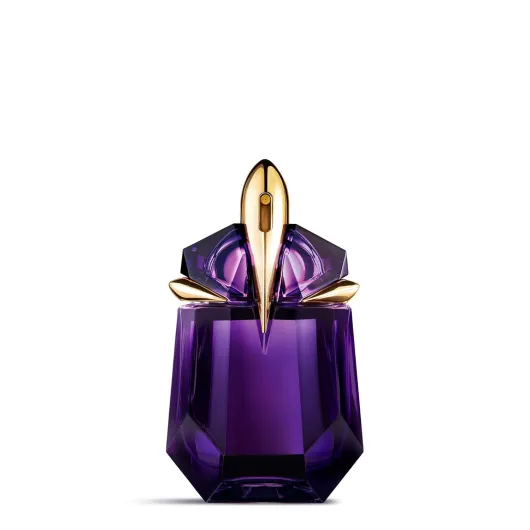
- + Parfum floral et boisé
- + Notes de jasmin, bois et ambre
- + Parfum longue durée
- + 1 Fl Oz (pack de 1)

Common ingredients in perfume that may cause headaches
Ingredients in Perfume That May Trigger Headaches
For many fragrance lovers, the joy of discovering new perfumes can sometimes be overshadowed by unexpected headaches or even migraine symptoms. This reaction is often linked to specific ingredients found in perfumes and fragrances. Understanding what goes into your favorite scents can help you make more informed choices and enjoy your daily life with fewer interruptions from headaches.
Synthetic vs. Natural Ingredients
Perfumes are crafted using both natural ingredients, like essential oils, and synthetic chemicals. While natural extracts can cause allergic reactions in some people, synthetic compounds are more frequently associated with headaches caused by fragrances. These synthetic ingredients are designed to mimic natural scents or create entirely new olfactory experiences, but they can also be more irritating to the nervous system and immune system.
- Phthalates: Commonly used to make scents last longer, phthalates have been linked to headaches and other health concerns.
- Musks: Synthetic musks are often found in modern perfumes and can trigger headaches or migraine symptoms in sensitive individuals.
- Solvents: Ingredients like ethanol and other alcohols help dissolve fragrance oils, but their strong smell and rapid evaporation can irritate the system and trigger headaches.
- Aldehydes: These compounds give perfumes a sparkling, fresh quality, but are also known to cause headaches, especially for those with heightened sensitivity.
Other Common Triggers
Beyond the main fragrance ingredients, perfumes may contain preservatives, stabilizers, and colorants. These additives can also contribute to fragrance sensitivity and headaches. In addition, cigarette smoke, cleaning products, and other strong scents in the environment can amplify the effects of perfume headaches, especially for migraine sufferers or those with osmophobia (a heightened sensitivity to smells).
It’s important to remember that everyone’s system reacts differently. Some people may find that even natural essential oils can trigger headaches, while others are more affected by synthetic chemicals. If you’re curious about how perfume concentration and application methods can influence your experience, or want tips on minimizing headaches, keep exploring the rest of this guide.
For more details on how perfume bottle sizes and concentrations might impact your fragrance experience, you can check out this guide on what 3.4 ounces of perfume really means.
Personal sensitivity and fragrance intolerance
Why Some People React Differently to Perfume
Fragrance sensitivity is a genuine concern for many perfume lovers. While some can enjoy a wide range of scents without issue, others experience headaches, migraines, or even allergic reactions when exposed to certain perfumes or fragrances. This heightened sensitivity is not just a matter of preference; it often involves complex interactions between the nervous system, immune system, and even blood vessels.
For people with fragrance intolerance, the body may perceive certain scents—whether natural essential oils or synthetic chemicals—as potential threats. This can trigger symptoms like headaches, migraine, or nasal congestion. In some cases, the brain's response to these triggers is so strong that it leads to osmophobia, a condition where smells provoke discomfort or pain. Migraine sufferers are particularly prone to this, as their nervous system is already more reactive to sensory input, including strong perfumes or cleaning products.
It's important to note that personal sensitivity varies widely. Factors such as genetics, overall health, and even previous exposure to strong scents or cigarette smoke can influence how the body reacts. Some people may find that only certain perfumes or fragrances trigger headaches, while others might react to a broader range of scents. The concentration and application of perfume, as well as environmental factors, can further amplify these effects in daily life.
- Symptoms of fragrance intolerance can include headaches, migraines, nausea, dizziness, and even skin irritation.
- Triggers may be natural or synthetic, with some people reacting more to synthetic chemicals found in modern perfumes.
- Health conditions like asthma or allergies can make individuals more susceptible to headaches caused by fragrances.
Understanding your own sensitivity is crucial for enjoying perfumes without discomfort. If you’re curious about how perfume bottle sizes might affect your exposure, check out this guide to perfume bottle sizes for more insight.
Ultimately, recognizing the signs of fragrance sensitivity and being mindful of your own triggers can help you make informed choices about wearing perfume and enjoying your favorite scents without compromising your health or daily life.
The role of perfume concentration and application
How Much and Where: The Impact of Perfume Strength and Application
For many fragrance lovers, the way a perfume is worn can make a big difference in whether it triggers headaches or not. The concentration of a fragrance—whether it’s an eau de toilette, eau de parfum, or parfum—directly affects how strong and long-lasting the scent is. Higher concentrations contain more fragrance oils, which means a more intense smell. For people with fragrance sensitivity or those prone to migraine, this intensity can overwhelm the nervous system and trigger headaches or even migraine symptoms.
Application also matters. Spraying perfume directly onto pulse points, like the neck or wrists, allows the scent to interact with your body heat and diffuse more powerfully. While this is ideal for enjoying the full character of a fragrance, it can also increase the risk of headaches, especially in enclosed spaces or if you have heightened sensitivity. Some people find that spraying perfume on clothing or in the air, rather than on skin, helps reduce direct exposure and lessens the chance of triggering headaches.
It’s important to remember that the body’s immune system and blood vessels can react differently to various concentrations and ingredients. For example, synthetic chemicals or certain essential oils in high doses may cause allergic reactions or osmophobia—a heightened sensitivity to smells—leading to headaches or migraine attacks. The way perfumes and fragrances interact with your system is unique to you, and even natural scents can be a trigger if used in excess.
- Perfume headaches are more likely with stronger concentrations and heavy application.
- Applying fragrance to clothing or hair can help minimize direct skin contact and reduce symptoms.
- Layering multiple scented products (like lotions and sprays) can amplify the effect and increase the risk of headaches caused by fragrances.
Understanding your personal threshold and being mindful of how much and where you apply perfume can help you enjoy your favorite scents without disrupting your daily life or health. This is especially important for migraine sufferers or those with fragrance intolerance, as even small changes in application can make a noticeable difference in comfort and well-being.
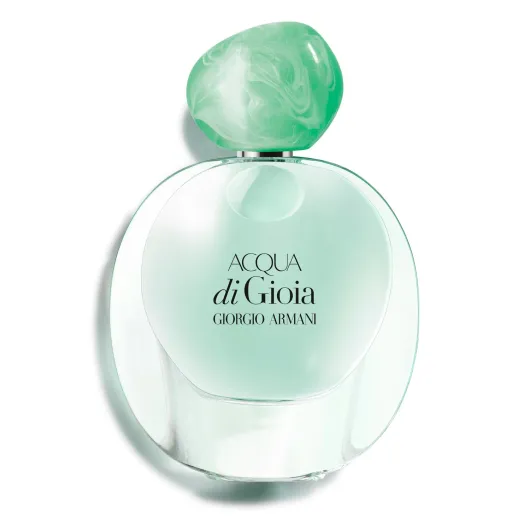
Environmental factors that amplify fragrance headaches
Why Your Surroundings Matter When Wearing Perfume
For many fragrance lovers, the environment plays a surprisingly big role in whether a scent brings joy or triggers headaches. Even the most beloved perfumes can become overwhelming in certain settings, especially for people with fragrance sensitivity or migraine sufferers. Understanding how environmental factors interact with your sense of smell and nervous system can help you enjoy fragrances without discomfort.
- Confined spaces: Small rooms, elevators, or cars can trap scents, making them more intense. This heightened concentration can trigger headaches or even osmophobia (an aversion to smells) in sensitive individuals.
- Poor ventilation: Lack of fresh air allows perfume molecules to linger, increasing the risk of headaches caused by prolonged exposure. This is especially true for synthetic chemicals and strong essential oils.
- Heat and humidity: Warm temperatures can amplify the diffusion of fragrances, making scents feel stronger and more persistent. This can lead to symptoms like headache, migraine, or even allergic reactions in some people.
- Competing odors: Everyday smells from cleaning products, cigarette smoke, or other perfumes can mix with your chosen scent. This cocktail of fragrances can overload the brain’s processing system, potentially triggering headaches or migraine attacks.
- Public spaces: Crowded areas often mean exposure to multiple perfumes and fragrances at once. For those with heightened sensitivity or fragrance intolerance, this can quickly become overwhelming and impact daily life.
It’s important to remember that environmental triggers are highly individual. Some people may notice symptoms like headache or migraine only in specific situations, while others might react to even low levels of scent. Paying attention to your surroundings and how your body responds can help you make informed choices about when and where to wear perfume.
For more on how personal sensitivity and fragrance intolerance can influence your experience, see the earlier discussion on individual reactions to scents. And if you’re curious about how perfume concentration and application methods can affect your health, the next section will offer practical tips for minimizing perfume headaches and enjoying fragrances safely.
Tips for fragrance lovers to minimize headaches
Practical ways to enjoy fragrance without discomfort
For people who adore perfume but struggle with headaches or migraine symptoms, finding a balance is essential. Headaches caused by fragrances can disrupt daily life, especially for those with heightened sensitivity or fragrance intolerance. Here are some practical tips to help minimize perfume headaches and still enjoy your favorite scents:
- Choose natural and hypoallergenic options: Some perfumes use synthetic chemicals that may trigger headaches or allergic reactions. Opt for fragrances with more natural ingredients or essential oils, but remember that even natural scents can sometimes cause symptoms in sensitive individuals.
- Test before wearing perfume: Always test a new fragrance on a small area of skin or a blotter before applying it more broadly. This helps you gauge your personal sensitivity and avoid a full-blown headache or migraine.
- Apply perfume strategically: Instead of spraying directly on your neck or wrists, try applying perfume to your clothes or hair. This can reduce direct contact with your skin and minimize the risk of triggering headaches.
- Control the amount and concentration: Lighter concentrations like eau de toilette or body mists are less likely to overwhelm your sense of smell or your nervous system. Avoid over-applying, as strong scents can dilate blood vessels and activate the immune system, leading to osmophobia or migraine in susceptible people.
- Ventilate your environment: Environmental factors such as poor air circulation, cigarette smoke, or strong cleaning products can amplify fragrance headaches. Make sure your space is well-ventilated when wearing perfume or using scented products.
- Take fragrance breaks: Give your brain and olfactory system time to reset by taking breaks from wearing perfume. This can help reduce the risk of developing fragrance sensitivity or worsening existing symptoms.
- Read labels and privacy policies: Be aware of the ingredients in your perfumes and check for terms like "synthetic" or "fragrance" on the label. Understanding what you are exposed to can help you make informed choices for your health.
For migraine sufferers or those with fragrance sensitivity, these strategies can make a significant difference. If symptoms persist, consult a healthcare professional to rule out underlying health issues or allergic reactions. Remember, enjoying scents should enhance your daily life, not disrupt it.