



Origins and background of tonka bean in perfumery
The journey of tonka beans from nature to fragrance
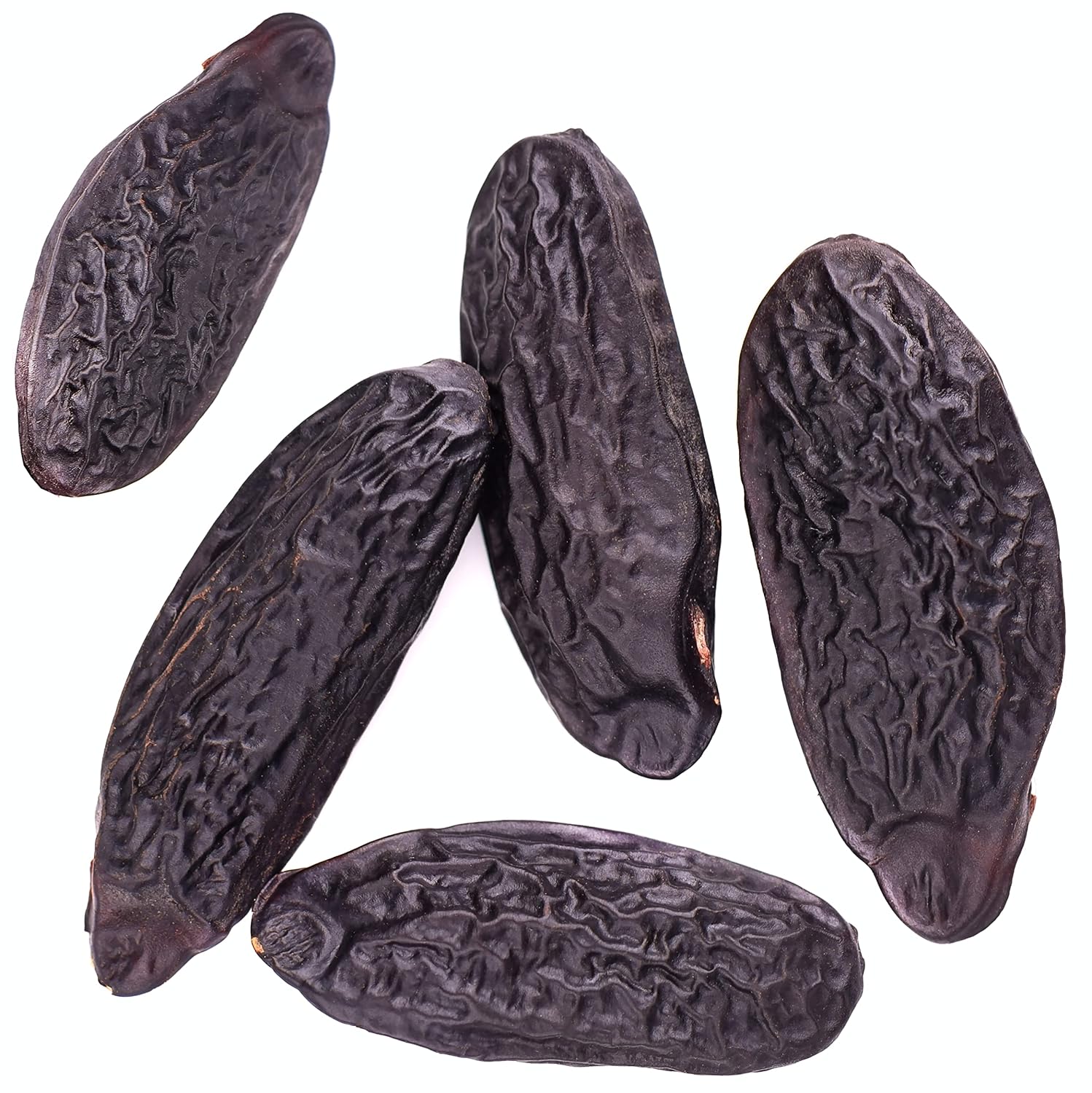
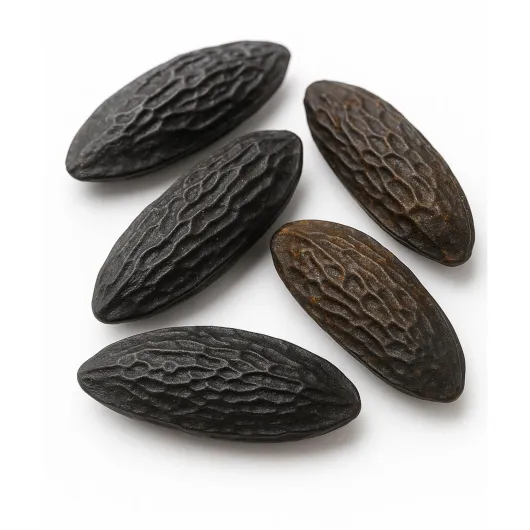
Tonka beans have a fascinating story that begins in the lush forests of South America, especially in countries like Brazil and Venezuela. These beans are actually the seeds of the Dipteryx odorata tree, which thrives in tropical climates. For centuries, local communities have valued tonka beans for their sweet aroma and unique flavor, using them in traditional remedies and rituals.
In the world of perfumery, tonka beans made their debut in the late 18th and early 19th centuries, quickly becoming a favorite among fragrance creators. The reason? Their complex scent profile, which blends notes reminiscent of vanilla, almond, and subtle spices. This made tonka an ideal ingredient for adding warmth and depth to perfumes, especially as a base note. The bean's natural coumarin content is what gives it that signature sweet, slightly nutty aroma, making it a sought-after component in both classic and modern fragrances.
Today, tonka beans are celebrated for their versatility and ability to blend seamlessly with other notes, such as vanilla and woody accords. Their rich, inviting scent has inspired countless perfumes and continues to captivate fragrance lovers around the globe. If you’re curious about how tonka’s sweet and creamy character pairs with other beloved notes, you might enjoy exploring the subtle charm of vanilla and lavender in fragrance.
Understanding the origins of tonka beans helps explain why their scent profile is so cherished in perfumery. As we explore what tonka bean smells like and how it is used in modern perfumes, you’ll see why this ingredient remains a staple for those who adore complex, comforting aromas.

The olfactory profile of tonka bean
The Complex Scent Profile of Tonka Bean
When exploring what tonka bean smells like, it’s easy to see why this note has become a staple in modern perfumery. The scent of tonka bean is rich, warm, and inviting, often described as a blend of sweet, creamy, and slightly spicy aromas. If you’re wondering what tonka bean actually smells like, imagine a fusion of vanilla, almond, and subtle hints of cinnamon and clove. The bean’s natural coumarin content is responsible for much of its signature scent, giving it a soft, powdery sweetness that’s both comforting and sophisticated.
The aroma tonka brings to fragrances is often compared to freshly cut hay or even a hint of tobacco, but always with a pronounced sweetness that sets it apart from other base notes. This sweet, nutty character makes tonka beans a popular choice for adding depth and warmth to a perfume’s scent profile. In many fragrances, tonka bean acts as a bridge between gourmand and woody notes, enhancing both without overpowering the composition.
- Sweetness: Reminiscent of vanilla and caramel, tonka’s sweetness is never cloying but rather creamy and smooth.
- Warmth: The scent tonka provides is cozy, with spicy undertones that evoke comfort and nostalgia.
- Woody nuances: Alongside its sweetness, tonka bean carries subtle woody and earthy facets, grounding the fragrance.
- Almond-like aroma: The bean smells slightly nutty, adding a unique twist to the overall scent.
What makes tonka bean especially intriguing is how it blends with other notes. It pairs beautifully with vanilla, sandalwood, and even floral accords, creating a multi-layered scent experience. For those curious about how tonka bean compares to other floral notes, you might enjoy reading about the allure of violet fragrance in perfume, as both share a powdery, comforting quality but differ in their underlying sweetness and warmth.
Overall, the scent profile of tonka bean is versatile and enduring, making it a favorite among perfumers and fragrance lovers alike. Whether used as a base note or as part of a more complex blend, tonka bean’s aroma adds a signature touch that is instantly recognizable yet endlessly adaptable.
How tonka bean is used in modern perfumes
Modern Uses: From Base Note to Signature Scent
Tonka bean has become a staple in contemporary perfumery, thanks to its rich, multifaceted aroma. Its scent profile—warm, sweet, and slightly spicy—makes it a favorite for adding depth and complexity to fragrances. The bean’s natural coumarin content gives it a scent that’s reminiscent of vanilla, almond, and even a hint of tobacco, making it a versatile ingredient for perfumers seeking to create both comforting and sophisticated blends.
In today’s fragrances, tonka is most often used as a base note. This means it lingers on the skin, providing a lasting, creamy sweetness that anchors the perfume. The bean’s aroma blends exceptionally well with other notes, such as:
- Woody scents – Sandalwood, cedar, and patchouli pair beautifully with tonka, enhancing its warmth.
- Gourmand notes – Vanilla, cocoa, and caramel amplify the bean’s edible, sweet character.
- Spices – Cinnamon and clove add complexity, balancing the sweetness of tonka beans.
Perfumers use tonka bean to create both masculine and feminine fragrances. In men’s scents, it often adds a creamy, slightly smoky undertone, while in women’s perfumes, it can enhance floral or fruity notes with a soft, powdery finish. The versatility of tonka bean means it appears in everything from classic orientals to modern gourmands.
For those curious about how tonka’s scent will interact with other fragrance types, understanding the differences between perfume oil and eau de parfum can help you choose the right format to experience its full aroma profile. Whether you’re drawn to the sweet, vanilla-like aroma or the subtle woody undertones, tonka bean continues to shape the world of modern perfumery with its unique scent signature.
Tonka bean compared to similar notes
Tonka Bean Versus Vanilla, Almond, and Other Gourmand Notes
When exploring what tonka bean smells like, it’s natural to compare it to other familiar notes in perfumery. Tonka beans are often associated with vanilla, almond, and even hay or tobacco, but their scent profile is more nuanced than a simple sweet aroma.- Tonka vs. Vanilla: Both share a creamy, sweet character, yet tonka bean brings a deeper, more complex aroma. While vanilla is straightforwardly sweet and comforting, tonka adds layers of warmth, with hints of spice and a subtle, almost smoky undertone. This makes tonka a popular choice for those who want a vanilla-like scent with added depth.
- Tonka vs. Almond: The coumarin in tonka beans gives them a scent reminiscent of bitter almond. However, tonka’s aroma is rounder and less sharp, blending sweetness with a touch of earthiness. Almond notes can feel more linear, while tonka offers a richer, more blended fragrance experience.
- Tonka vs. Woody and Tobacco Notes: Tonka bean often appears in perfumes alongside woody or tobacco accords. Its sweet, slightly spicy scent complements these notes, adding softness and a creamy finish. In contrast, pure woody or tobacco notes can be drier and more robust, lacking the gourmand sweetness that tonka provides.
Why fragrance lovers are drawn to tonka bean
What Makes Tonka Bean So Alluring to Fragrance Lovers?
Tonka bean has a unique ability to captivate those who adore fragrance. Its scent profile is both familiar and intriguing, offering a comforting warmth that stands out in the world of perfume. But what does tonka bean smell like, and why do so many enthusiasts seek it out?
- Complex Sweetness: The bean’s aroma blends sweet, creamy vanilla-like notes with subtle hints of almond and caramel. This sweetness is never cloying, but rather smooth and inviting, making tonka a favorite for those who enjoy gourmand scents.
- Versatile Blending: Tonka bean works well as a base note, supporting and enhancing other aromas. Its ability to blend with woody, spicy, and even fresh notes means it appears in a wide range of fragrances, from cozy orientals to modern fougères.
- Comfort and Nostalgia: Many describe the scent of tonka as comforting, reminiscent of baked goods or warm evenings. This emotional connection is a big part of its appeal, as the bean’s aroma can evoke memories and feelings of well-being.
- Depth and Sophistication: While sweet, tonka bean also brings a subtle complexity. Its interplay of vanilla, hay, and tobacco-like facets adds depth to perfumes, making them feel more layered and interesting.
Fragrance lovers are drawn to tonka bean because it offers more than just a pleasant smell. The scent tonka brings to a perfume can transform a blend, adding richness and character. Whether you’re a fan of sweet, woody, or spicy fragrances, the bean’s multifaceted aroma ensures there’s something for everyone. Its enduring popularity in modern perfumes is a testament to how well tonka complements and elevates other notes, making it a staple in the collections of scent enthusiasts worldwide.
Notable perfumes featuring tonka bean
Perfumes Where Tonka Bean Shines
Tonka bean has become a beloved ingredient for perfumers, thanks to its rich, sweet, and slightly woody aroma. Its scent profile, with hints of vanilla, almond, and even subtle tobacco, makes it a versatile base note in many fragrances. If you’re curious about what tonka bean smells like in a finished perfume, these notable scents are a great place to start exploring.
- Guerlain Tonka Impériale: This fragrance is a true celebration of tonka bean. The scent blends the creamy, sweet, and nutty notes of tonka with hints of vanilla and tobacco, creating a warm, enveloping aroma that highlights what tonka bean can bring to a perfume.
- Tom Ford Tobacco Vanille: Here, tonka bean is paired with vanilla and tobacco for a rich, gourmand scent. The bean’s sweet, slightly spicy character helps balance the heavier tobacco and creamy vanilla, resulting in a fragrance that’s both comforting and sophisticated.
- Shay & Blue Tonka Angelica: This perfume showcases the bean’s versatility. The scent profile combines tonka’s sweet, powdery aroma with green, aromatic notes of angelica, making for a modern, fresh interpretation of the classic tonka scent.
- Jean Paul Gaultier Le Male: In this iconic fragrance, tonka bean is used as a base note, adding warmth and depth to the blend of lavender, mint, and vanilla. The result is a scent that’s both familiar and distinctive, with the bean’s creamy, sweet aroma lingering on the skin.
- Hermès Eau des Merveilles: While not a typical gourmand, this fragrance uses tonka bean to add a subtle sweetness and complexity to its woody, amber base. The bean’s presence is soft but noticeable, enhancing the overall scent without overpowering it.
These perfumes demonstrate how tonka bean can be the star or a supporting player in a wide range of fragrances. Whether you love sweet, vanilla-like aromas or prefer something more woody and nuanced, there’s a tonka bean scent out there that will suit your taste. The bean’s unique blend of notes continues to inspire perfumers and delight fragrance lovers around the world.