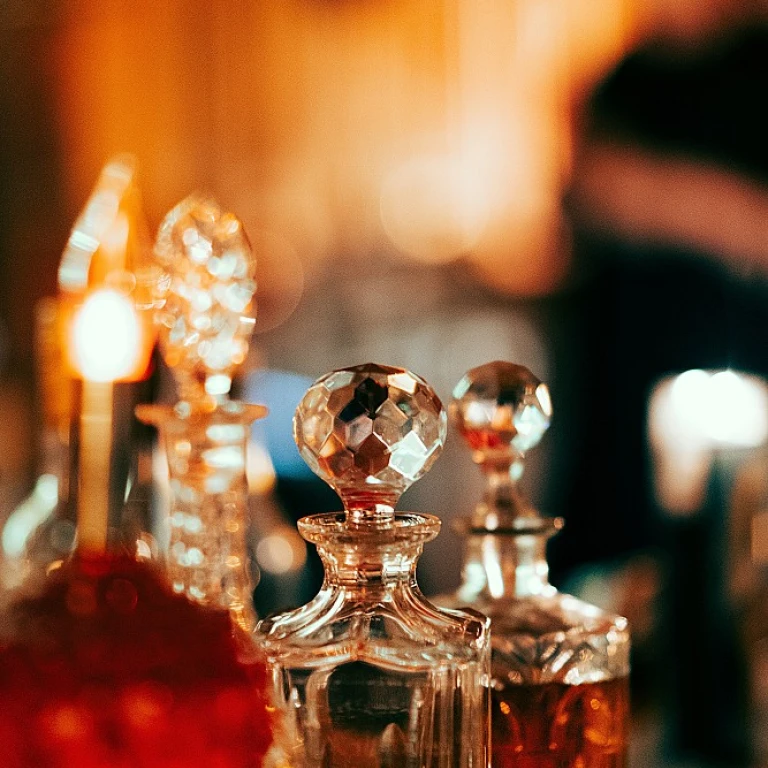

Understanding the connection between art and scent
The Invisible Dialogue: How Scent and Art Intertwine
Fragrance and art have always shared a subtle, yet powerful, connection. Both are creative expressions that evoke emotion, memory, and even provoke thought. When we talk about perfume, we often borrow the language of art—composition, notes, balance, and even inspiration. This is no coincidence. The world of perfumery draws from the same well of creativity as painting, sculpture, and other visual arts, making the relationship between the two fields rich and complex.
Consider how a perfume’s structure mirrors the layers of a painting. Just as an artist chooses colors and textures, a perfumer selects top, heart, and base notes to create a harmonious whole. The olfactory pyramid—a fundamental concept in perfumery—reflects this artistic layering, guiding the wearer through an evolving sensory experience. This parallel is especially evident when exploring movements like Impressionism, where fleeting sensations are captured, or Minimalism, which celebrates purity and simplicity.
Moreover, the way we describe and appreciate fragrances often borrows from art criticism. We talk about a perfume’s composition, its mood, and its impact, much like we would discuss a painting’s brushwork or a sculpture’s form. This shared vocabulary highlights the deep-rooted connection between scent and visual art, and helps fragrance lovers articulate their experiences with more nuance and depth.
- Both art and scent rely on the senses to communicate ideas and emotions
- Perfumers and artists use similar creative processes, from inspiration to execution
- The evolution of art movements often parallels shifts in perfume trends and preferences
For those who adore fragrance, exploring these connections can deepen appreciation and open new avenues for discovery. If you’re interested in how a fragrance can embody the spirit of an art movement, the allure of Niki de Saint Phalle’s fragrance offers a fascinating case study in the intersection of art and scent. This exploration sets the stage for understanding how specific art movements have influenced the way perfumes are created, experienced, and discussed.
Impressionism and the fleeting nature of top notes
Capturing Fleeting Moments: Impressionism in Perfume
Impressionism in art is celebrated for its ability to capture the ephemeral—those brief, luminous moments that seem to vanish as quickly as they appear. This philosophy finds a natural parallel in the world of fragrance, especially in the delicate dance of top notes. Just as impressionist painters sought to evoke a mood or a fleeting sensation with swift brushstrokes, perfumers use volatile ingredients to create an immediate sensory impact that fades gracefully into the background.
Top notes are the first impression a fragrance makes. They are often bright, fresh, and designed to catch attention, much like the play of light and color in impressionist paintings. Citrus, green, and herbal accords are common choices, chosen for their ability to evoke a sense of movement and lightness. These notes are intentionally transient, echoing the impressionist desire to capture a moment rather than a fixed reality.
- Ephemeral beauty: Top notes are designed to be fleeting, mirroring the impressionist focus on the passage of time and shifting light.
- Layered complexity: As in impressionist works, where layers of paint create depth, top notes give way to heart and base notes, revealing new dimensions as the fragrance evolves.
- Emotional resonance: Both impressionism and top notes aim to evoke emotion rather than deliver a literal representation, inviting personal interpretation and connection.
Understanding this connection between art and scent enriches our appreciation of both. The fleeting nature of top notes reminds us to savor the present, much like standing before a masterpiece that captures a sunrise or a bustling street scene. For those interested in how artists have inspired perfumers, exploring the allure of Niki de Saint Phalle’s fragrance offers a fascinating example of creativity crossing boundaries.
As we continue to explore the interplay between art movements and perfume, it becomes clear that the language of scent is as nuanced and expressive as the brushstrokes on a canvas.
Surrealism and the unexpected in fragrance creation
Unexpected Combinations and Dreamlike Accords
Surrealism in art is all about challenging reality and embracing the unexpected. This same spirit has found its way into the world of fragrance, where perfumers experiment with unusual ingredient pairings and imaginative structures. The result? Scents that surprise, provoke curiosity, and sometimes even puzzle the senses.
Much like a surrealist painting that juxtaposes unrelated objects, a fragrance inspired by this movement might blend gourmand notes with smoky woods, or combine metallic facets with lush florals. These unexpected combinations create a sense of dreamlike wonder, inviting wearers to experience scent in new and unconventional ways.
- Contrast and surprise: Surrealist-inspired perfumes often feature sharp contrasts, such as sweet and savory, or fresh and resinous. This approach keeps the wearer engaged, as the scent evolves in unpredictable directions.
- Layering and complexity: Just as surrealist art layers images and meanings, these fragrances build complexity through intricate layering of notes. The result is a scent journey that unfolds over time, revealing hidden depths.
- Imaginative storytelling: Surrealism encourages a narrative that is open to interpretation. Perfume houses draw on this by crafting scents that evoke abstract concepts or fantastical worlds, rather than literal representations.
One fascinating example is the use of incense in modern perfumery. Incense notes can evoke both the sacred and the mysterious, adding a surreal, otherworldly quality to a fragrance. For a deeper dive into how incense shapes the mystique of contemporary scents, explore this guide to the allure of incense fragrance.
Surrealism’s influence on fragrance creation highlights the artistry behind scent composition. It reminds us that perfume, like art, can be a playground for the imagination, where the only limit is creativity itself.
Minimalism and the purity of single-note perfumes
Embracing Simplicity in Scent
Minimalism in art is all about stripping away the unnecessary, focusing on purity and essence. This philosophy has found a natural home in the world of perfumery, where single-note perfumes and uncluttered compositions have become a statement of refined taste. The connection between minimalist art and fragrance lies in the pursuit of clarity—each element is chosen with intention, and nothing is superfluous.
Single-note perfumes, often called soliflores, highlight the beauty of one raw material, such as jasmine, rose, or sandalwood. These fragrances invite wearers to appreciate the nuances of a single ingredient, much like minimalist paintings encourage viewers to contemplate form and color without distraction. The result is a scent experience that feels both modern and timeless.
- Transparency: Minimalist perfumes often use fewer ingredients, allowing each note to shine. This approach appeals to those who value authenticity and simplicity in their fragrance choices.
- Versatility: The purity of single-note perfumes makes them easy to layer or wear alone, adapting to different moods and occasions.
- Focus on quality: With fewer distractions, the quality of each ingredient becomes paramount. Perfumers must select the finest raw materials to achieve the desired effect.
Minimalism in fragrance also influences packaging and marketing. Clean lines, understated bottles, and subtle branding reflect the ethos of less is more. This aesthetic resonates with consumers seeking a break from the complexity and noise of modern life, offering a moment of calm through scent.
Just as earlier art movements explored fleeting impressions or the unexpected, minimalism invites us to slow down and savor the essence of a single note. It’s a reminder that, sometimes, the most profound beauty can be found in simplicity.
Abstract expressionism and bold, statement scents
Color, Texture, and Emotion in Scent Design
Abstract expressionism in art is all about bold gestures, vivid color, and the raw energy of emotion. In the world of fragrance, this movement finds its counterpart in perfumes that make a statement from the first spray. These are not shy scents; they are designed to evoke a visceral response, much like a striking canvas filled with sweeping brushstrokes.
Perfumers inspired by abstract expressionism often use daring combinations and unexpected contrasts. For example, a perfume might open with a rush of spicy pepper, quickly followed by a wave of smoky incense or resinous woods. The result is a fragrance that refuses to blend quietly into the background. Instead, it demands attention, much like a gallery centerpiece.
- Layering and complexity: These fragrances are often built with multiple layers, each revealing a new facet over time. This mirrors the way abstract art invites viewers to find their own meaning within the chaos of color and form.
- Unconventional accords: Expect to find unexpected notes—perhaps a metallic edge or a burst of aldehydes—woven into the heart of the scent. This unpredictability keeps the wearer engaged, challenging traditional expectations of what a perfume should be.
- Emotional resonance: Just as abstract art can evoke powerful feelings without depicting a clear subject, these perfumes are crafted to stir emotions through their intensity and contrast.
In the context of perfume trends, abstract expressionist scents have paved the way for a new appreciation of boldness and individuality. They encourage wearers to embrace fragrance as a form of self-expression, not just an accessory. This approach has influenced the language used in perfume reviews and marketing, with terms like "statement scent" or "olfactory canvas" becoming more common.
For those who adore fragrance, exploring these assertive compositions can be a transformative experience. They invite us to step beyond the familiar, discovering new facets of scent that are as dynamic and unpredictable as the art that inspires them.
How art movements shape the way we talk about fragrance
Language of Scent: Artistic Influence on Fragrance Discourse
The way we talk about fragrance is deeply shaped by the vocabulary and concepts borrowed from art movements. When perfume enthusiasts describe a scent as "impressionistic," they often mean it evokes a fleeting, atmospheric quality, much like the brushstrokes of Impressionist painters. This language helps convey the ephemeral nature of top notes and the emotional impact of a fragrance's first impression.
Similarly, terms like "surreal" or "abstract" have found their place in perfume reviews and discussions. These words signal unexpected combinations or bold, unconventional accords, echoing the spirit of Surrealism and Abstract Expressionism in visual art. This cross-pollination of terminology enriches the way we communicate about scent, making it easier to express complex olfactory experiences.
Describing Perfume: From Minimalism to Maximalism
Minimalist art has inspired a focus on purity and simplicity in fragrance language. When a perfume is described as "minimalist," it often refers to a composition that highlights a single note or a very streamlined blend. This clarity of expression helps both creators and consumers appreciate the beauty of restraint in perfumery.
On the other hand, the influence of bold art movements encourages the use of expressive, even dramatic, language. Descriptions like "explosive," "vivid," or "statement-making" are now common in perfume reviews, reflecting the impact of Abstract Expressionism and similar styles. This shift allows for a more personal and emotive connection between the wearer and the scent.
- Art-inspired vocabulary makes fragrance reviews more relatable and evocative
- Descriptive language borrowed from art helps bridge the gap between scent and emotion
- Consumers are empowered to articulate their preferences with greater nuance
By drawing on the language and ideas of various art movements, the fragrance community has developed a richer, more expressive way to discuss and appreciate perfume trends. This ongoing dialogue between art and scent continues to shape how we experience and share our passion for fragrance.