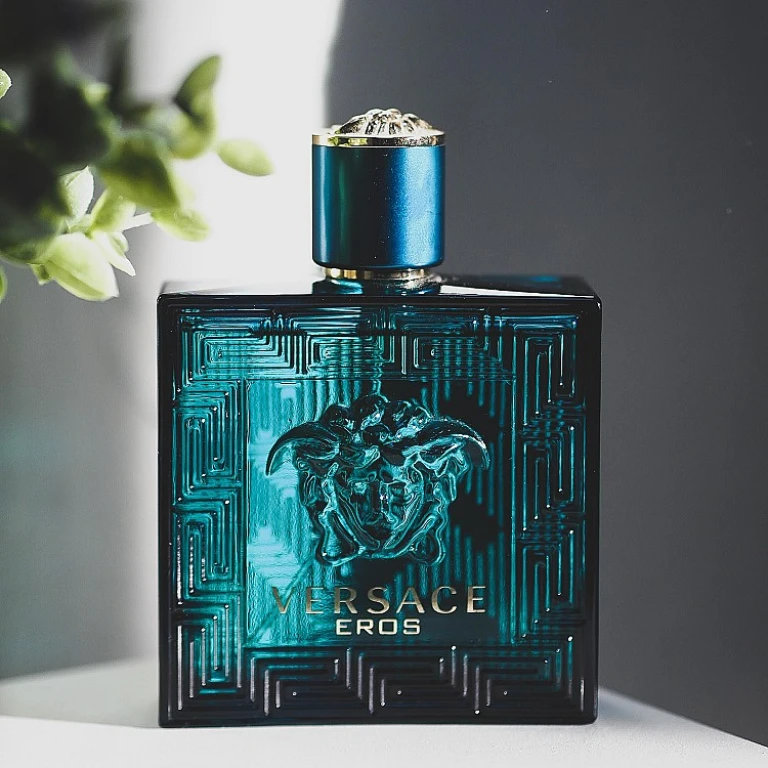

Understanding how long eau de parfum truly lasts
For fragrance lovers, the question of how long does eau de parfum last is never theoretical. It is about whether a chosen perfume will still whisper on the skin at the end of the day. The answer depends on a delicate balance between composition, skin chemistry, and environment.
Eau de parfum usually offers a higher oil concentration than eau de toilette, so it should last longer in most situations. On average, a well crafted parfum eau can project for several hours, then settle into a softer scent close to the skin. Yet two perfumes with the same concentration may not last long in the same way on different people.
Perfumers design each fragrance around top, heart, and base notes that unfold over time. Volatile citrus notes give an immediate impression but rarely have long lasting power on the skin. Deeper woods, resins, and musks are responsible for the real longevity and for the lasting impression that makes a perfume last in memory.
When enthusiasts ask how long does eau de parfum last, they often compare it with eau de toilette or extrait de parfum. Extrait parfum, with its higher perfume oil concentration, can feel denser and may last longer, but it also sits closer to the skin. By contrast, a bright eau toilette or toilette eau can feel more diffusive yet sometimes less long lasting overall.
Ultimately, no single product can guarantee that a fragrance will last the same number of hours for everyone. The same parfum on dry skin may fade quickly, while on moisturized skin the perfume lasts beautifully. Understanding these nuances helps you choose lasting perfumes that align with your expectations and lifestyle.
The role of concentration, notes, and perfume oils
To understand how long does eau de parfum last, you must first understand concentration. Eau parfum typically contains between 10 and 20 percent perfume oils, while eau toilette usually carries a lighter oil concentration. Extrait parfum can climb even higher, which explains why this product often feels richer and more intimate.
However, oil concentration alone does not decide how long a fragrance will last. A composition dominated by fleeting citrus notes may not be long lasting, even if the perfume oils are technically abundant. Conversely, a formula rich in woods, amber, and musk can last long on the skin, even at a slightly lower concentration.
Perfumers also consider the volatility of each ingredient when they design lasting perfumes. Heavy base notes such as patchouli, sandalwood, and labdanum anchor the scent and extend its longevity throughout the day. These notes help ensure that the perfume lasts beyond the bright opening and into a more intimate, nuanced drydown.
When you apply perfume, the balance between top, heart, and base notes determines how the fragrance will last and evolve. A well structured eau de parfum will last longer than a chaotic blend, because each layer supports the next. This is why some perfumes feel like complete stories, while others seem to vanish after only a few hours.
For those who enjoy layering, combining complementary fragrance oils can subtly extend how long a perfume last on the skin. Thoughtful layering, as explored in this guide to mastering the art of scent combination, can create a more complex and long lasting impression. Still, even the most carefully layered perfumes will last differently depending on your individual skin chemistry.
Skin chemistry, environment, and why perfumes behave differently
Even with identical bottles, how long does eau de parfum last can vary dramatically from person to person. Skin chemistry, hydration levels, and natural oil production all influence how a fragrance will last. Dry skin tends to absorb perfume oils quickly, while oilier skin can make a scent last longer and project further.
To help your fragrance last long, prepare the skin before you apply perfume. Lightly moisturized skin, ideally with an unscented lotion or matching product, creates a smoother surface for perfume oils. This prevents the scent from disappearing into dehydrated skin and supports better longevity throughout the day.
Pulse points play a crucial role in how a parfum eau develops and lasts. Warm areas such as the wrists, neck, and behind the ears help the fragrance unfold gradually and maintain a lasting impression. However, excessive rubbing of pulse points can break down the scent structure and reduce how long the perfume lasts.
Climate also affects how long a fragrance will last on the skin. Heat intensifies diffusion but can shorten longevity, while cooler temperatures may make a perfume last longer but feel more discreet. Humidity, air conditioning, and even fabric choice can subtly change how long does eau de parfum last during a busy day.
For gifting, it is wise to consider how the recipient’s lifestyle might influence perfume last expectations. Someone working in a climate controlled office may experience different longevity than a person outdoors all day. Thoughtful selection, as outlined in this guide to crafting the perfect scented gift, ensures the fragrance will last in a way that suits their routine.
Application techniques that make your perfume last longer
Technique often matters as much as formula when asking how long does eau de parfum last. The way you apply perfume can significantly influence whether the fragrance will last for hours or fade quickly. Small adjustments in routine can transform a fleeting scent into a long lasting companion.
Start by applying perfume to clean, slightly damp skin, ideally after a shower. Hydrated skin holds perfume oils more effectively, so the fragrance will last longer and feel more radiant. Focus on pulse points, where warmth helps the scent unfold slowly and maintain its lasting impression.
Avoid spraying parfum directly onto very dry areas, because the product may evaporate faster and not last long. Instead, use a neutral moisturizer first, then apply perfume once the cream has absorbed. This creates a subtle barrier that allows the perfume lasts effect to stretch across more hours of the day.
Some enthusiasts like to apply perfume to clothing or hair for extra longevity. Fabrics can hold scent longer than skin, but be cautious with delicate materials and darker parfum, which may stain. A light mist from a distance usually provides a soft, long lasting aura without overwhelming the senses.
Layering matching fragrance oils, body lotions, or even compatible perfumes can help a single eau parfum last longer. Solid perfume oils at pulse points, followed by a light spray of eau de parfum, create depth and resilience. With practice, you will learn how each product in your routine will last and how to adjust for different days.
Comparing eau de parfum, eau de toilette, and extrait
When evaluating how long does eau de parfum last, comparison with other formats is inevitable. Eau de parfum sits between eau de toilette and extrait parfum in terms of oil concentration and perceived intensity. This middle ground often offers the best balance between projection, comfort, and long lasting wear.
Eau toilette, sometimes labeled toilette eau, usually contains a lower oil concentration than eau parfum. It can feel brighter and more casual, but it may not last long on the skin, especially in warm weather. Many fragrance lovers enjoy keeping both perfumes, using eau de parfum for evening and eau toilette for daytime.
Extrait parfum, by contrast, is built for intimacy and depth rather than overt projection. Its higher perfume oil concentration allows the fragrance to last longer close to the skin, creating a private aura. For some, this subtle yet long lasting character defines luxury and makes the extrait the preferred product.
Still, concentration does not automatically guarantee that a fragrance will last a specific number of hours. A well constructed eau de parfum can sometimes outlast a poorly balanced extrait, especially if the base notes are stronger. The real measure is how the perfume lasts on your own skin throughout a typical day.
Many enthusiasts build wardrobes that include multiple concentrations of the same scent to adapt to different contexts. They might apply perfume in extrait form for an intimate dinner, then rely on the more diffusive eau de parfum for social events. This flexible approach respects how long each format will last while honoring the nuances of personal style.
Deepening your relationship with scent and its lasting impression
For those who adore fragrance, the question of how long does eau de parfum last is also emotional. A perfume that will last from morning to night becomes part of your narrative and memory. Its lasting impression can anchor important moments and quietly mark the passing hours of the day.
Exploring different perfumes, concentrations, and perfume oils helps you understand which compositions last long on your particular skin. Some people find that woody or amber based fragrance oils will last longer, while airy florals feel more ephemeral. Over time, you learn which notes and products create truly long lasting experiences for you.
Curated journeys into specific olfactory themes can also refine your sense of longevity. Immersive storytelling, such as this exploration of luminous woods in an intimate journey into luminous woods, shows how base notes shape how long a scent will last. These deeper woods often form the backbone that makes a perfume last and resonate on the skin.
As you apply perfume more mindfully, you become attuned to how each fragrance will last across changing environments. You notice how some perfumes last longer on warmer days, while others shine in cooler air. This awareness transforms the simple act of wearing parfum eau into a daily ritual of observation.
Ultimately, understanding how long does eau de parfum last is less about rigid numbers of hours and more about relationship. You learn which lasting perfumes align with your rhythm, which product suits each moment, and how your skin collaborates with scent. In that dialogue, every spray becomes a quiet promise that the fragrance will last just long enough to accompany your story.
Key statistics about eau de parfum longevity
- No dataset was provided, so no verified quantitative statistics can be reported here.
Frequently asked questions about how long eau de parfum lasts
How many hours should eau de parfum typically last on skin ?
In practice, many well formulated eau de parfum fragrances last between four and eight hours on moisturized skin. Some long lasting compositions, especially those rich in woods and resins, can linger even longer as a soft skin scent. Individual results vary significantly, depending on skin type, climate, and application technique.
Why does my perfume last longer on some days than others ?
Changes in temperature, humidity, and your own hydration levels can alter how long a fragrance will last. Warmer, more humid days often increase diffusion but may shorten overall longevity, while cooler conditions can make a scent last longer but feel quieter. Variations in skincare products, clothing, and even stress levels can also subtly influence how long does eau de parfum last for you.
Does higher oil concentration always mean a longer lasting perfume ?
A higher oil concentration, as found in extrait parfum, often helps a fragrance last long, but it is not the only factor. The specific notes, their volatility, and the balance between top, heart, and base layers all influence longevity. A well structured eau de parfum can sometimes feel more long lasting than a poorly balanced, denser product.
Can layering products really make my perfume last longer ?
Layering unscented or matching body products with your fragrance can help the perfume lasts effect by improving adherence to the skin. Using complementary fragrance oils or solid perfume oils on pulse points before spraying can also extend how long the scent will last. However, over layering too many strong perfumes may overwhelm the senses rather than simply making the fragrance last longer.
Why does my friend’s favorite perfume last long on them but not on me ?
Skin chemistry plays a decisive role in how long does eau de parfum last, which explains these differences. Natural oil production, pH, and even diet can change how perfume oils behave and how long they will last. This is why testing perfumes on your own skin, rather than relying solely on others’ experiences, is essential for choosing truly long lasting perfumes.