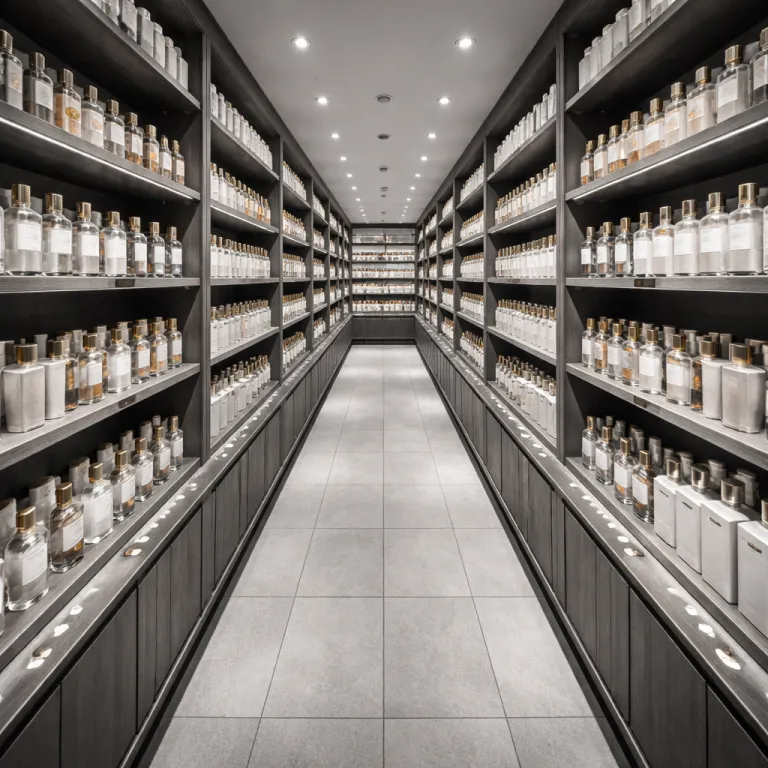
From quiet regulation to visible change on your perfume box
EU fragrance allergen labelling rules for 2026 may sound dry, yet they will reshape every perfume shelf. The European Commission has amended the core Cosmetics Regulation (Regulation (EC) No 1223/2009) through Commission Regulation (EU) 2023/1545, expanding the official Annex III list of reportable fragrance allergens from 26 to 82, and that single regulatory move will change how every cosmetic product carrying scent is labelled across the European Union. For fragrance lovers, this means that the ingredient list on a finished product will soon read less like a whisper of “parfum” and more like a detailed map of the fragrance substances actually touching your skin.
The key date is the 31 July 2026 deadline, when any new cosmetic products placed on the EU market must comply with the updated labelling requirements for fragrance allergens. Existing stock of a cosmetic product can continue being made available for a transitional period until 31 July 2028, but by mid decade most boxes in the cosmetics market will show a much longer list of fragrance ingredients, from familiar linalool and limonene to more obscure fragrance allergen names. This shift in allergens cosmetics policy is driven by concerns over allergic reactions in sensitive consumers, and it reflects years of public consultation and scientific review under the cosmetics regulation framework, including opinions from the Scientific Committee on Consumer Safety that informed the thresholds and the expanded Annex III entries.
Behind the scenes, brands are scrambling to align regulatory files, update safety assessments, and decide whether to reformulate a product or simply relabel it to meet compliance. Every finished product must have its Cosmetic Product Safety Report updated, its notification in the Cosmetic Products Notification Portal refreshed, and its ingredient list checked against the expanded Annex III allergens cosmetic entries set out in Commission Regulation (EU) 2023/1545. To make this concrete, a label that once read “AQUA, ALCOHOL DENAT., PARFUM” might in future list “AQUA, ALCOHOL DENAT., PARFUM, LIMONENE, LINALOOL, COUMARIN, HYDROXYCITRONELLAL” when those fragrance allergens exceed the relevant limits. For niche houses and global brands alike, the new EU fragrance allergen disclosure regime is not just another bureaucratic step; it is a structural change in how fragrance allergens are communicated to the consumer at the moment of choice.
What will actually change on bottles, boxes, and your skin
On the shelf, the most visible change from the revised EU fragrance allergen rules will be the dense block of text on the back of the box. Where a cosmetic once listed a handful of ingredients, the same cosmetic product will now carry a longer ingredient list that spells out many more fragrance substances whenever their concentration crosses the regulatory thresholds. For leave-on cosmetic products such as eau de parfum, the disclosure trigger for each allergen is 0.001 %, while for rinse-off products like shower gels the limit is 0.01 %, a distinction that matters for anyone prone to allergic reactions and one that is reflected in SCCS opinions on fragrance allergens under the cosmetics regulation.
For the consumer, this means that fragrance allergens will finally be visible in a way that allows pattern spotting across products, especially if you react to a specific fragrance ingredient such as hydroxycitronellal or coumarin, both of which must be listed under their INCI names when they exceed the set thresholds. The 2026 EU allergen labelling update will not ban these fragrance ingredients; instead, it will require clearer labelling so that a person can compare two cosmetics and choose the product with fewer or different fragrance allergens. This is particularly relevant when you move between regions, because the European Union approach is now more detailed than the current situation in Canada, where Health Canada is still assessing whether to align cosmetic requirements with the European Commission model.
Globally, regulators are watching the EU cosmetics regulation as a template, and the United States Food and Drug Administration is working on its own allergen disclosure rules under MoCRA while Health Canada reviews its cosmetic framework. For brands that sell the same products market wide in Europe, the United States, and Canada, the strictest allergen list often becomes the de facto global standard, which means the EU fragrance allergen regime taking effect in 2026 could influence bottles in Montréal as much as in Milan. If you enjoy reading about sensory culture, this regulatory shift sits alongside broader conversations about how we read objects on our vanity, from a purple fragrance bottle quietly signalling mood to playful ideas like colour changing jewellery explored in features on the fascinating world of mood ring aesthetics.
How perfumers, brands, and fragrance lovers will navigate the new rules
Inside the industry, the 2026 allergen disclosure rules are forcing perfumers and regulatory équipes to sit at the same table earlier in the creative process. When a brief calls for a smoky incense accord or a lush orange blossom, the choice of fragrance substances now carries not only artistic weight but also labelling consequences, because each fragrance allergen in Annex III may need to appear on the box if it exceeds the set thresholds. Some brands will accept a longer ingredient list as the price of olfactory richness, while others will tweak formulas to reduce certain allergens cosmetics components and keep the label visually cleaner.
For independent maisons and mass market brands alike, the July 2026 deadline means auditing every cosmetic product, checking each fragrance ingredient against the updated list, and ensuring compliance before placing the product on the market. This work sits alongside other regulatory requirements, from updating the Product Information File to confirming that each finished product still meets safety margins once any reformulation is complete. A practical internal checklist often includes mapping all fragrance allergens per formula, confirming correct INCI names, validating concentration thresholds for leave-on and rinse-off formats, and documenting each change in the Product Information File. Readers who care about the craft behind their favourite incense fragrances can see this as another layer of transparency, complementing cultural explorations of incense mystique in perfumery that trace how raw materials travel from resin to bottle and finally to the skin.
For you as a fragrance enthusiast, the practical step is to turn that transparency into a simple routine: patch test new cosmetics before regular use, photograph ingredient lists so you can compare labels across products, and discuss suspected fragrance allergens with a dermatologist if redness, itching, or other reactions persist. The updated EU fragrance allergen labelling rules will not tell you whether a fragrance is beautiful, but they will quietly help you understand why one bottle feels like silk on your wrist at midnight while another leaves a rash where the purple glass once promised only pleasure.