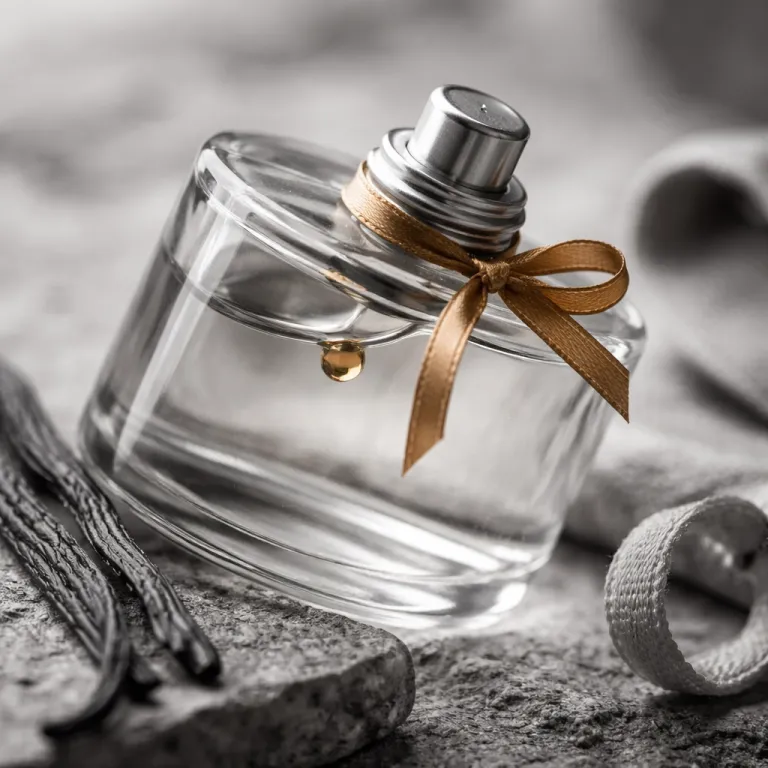

What “niche” really means now for perfume lovers
Niche used to mean tiny batches, one perfumer, one daring idea. Today the word niche often hides behind a high price and a heavy bottle, while the real difference lies in how a fragrance is conceived and distributed. When you search for the best niche perfumes, you are really asking which maisons still treat perfume as a creative project rather than a marketing line extension.
In this context, a true niche fragrance is defined less by extrait strength or eau concentration and more by independence of vision. A niche perfume house usually controls its own distribution, keeps production relatively small, and allows perfumers to push top notes, heart and base notes beyond what a regular department store brief would accept. That is why some of the best niche creations feel almost too intense on first spray, whether they lean smoky oud, buttery notes orris, or dense amber accords.
Several mainstream brands now present parfums as niche perfumes while behaving like global fashion labels. You will see capsule collections, limited editions and best selling flankers from houses that flood duty free shelves, which is not inherently bad but belongs to another category. When you compare niche fragrances with these quasi niche lines, focus less on whether the label says eau parfum or extrait parfum and more on whether the fragrance tells a coherent story on skin.
How to read a niche house: philosophies behind the best niche perfumes
Thinking in terms of houses rather than a list best of bottles helps you navigate the niche landscape. Editions de Parfums Frédéric Malle works almost like a literary publisher, curating parfums from star perfumers and putting their names on the label, which is rare in regular designer fragrance. If you want an entry point, start with Portrait of a Lady as an eau parfum that turns rose, patchouli and incense into a dark, almost leather tinted floral.
Maison Francis Kurkdjian sits at the accessible luxury end of niche, with luminous fragrances that bridge mainstream and niche fragrance audiences. Baccarat Rouge 540 in extrait parfum form shows how high quality materials and a precise balance of amber, saffron and woody base notes can feel both transparent and powerful. This is not the cheapest price bracket, but the compositions are calibrated to be easy to wear while still satisfying collectors who chase the best niche experiences.
On the maximalist side, Xerjoff and Amouage offer some of the most opulent niche fragrances on the market. Xerjoff often pairs bright citrus top notes with dense oud, leather and amber bases, while Amouage leans into incense, resins and complex floral accords that unfold for hours. If you are curious about bold storytelling in scent, read an in depth niche fragrance analysis such as the exploration of God of Fire by Stéphane Humbert Lucas, then compare how these houses handle similar themes.
Indie storytellers and experimental niche perfumes worth knowing
Beyond the big names, some of the best niche perfumes now come from small indie houses that treat each perfume as a short film. Stora Skuggan in Stockholm builds fragrances around myths and folklore, often using black pepper, incense and creamy woods to create surreal atmospheres. Their work shows how a niche perfume can feel conceptual without sacrificing wearability on a regular day.
Maison Crivelli focuses on contrasts, pairing airy top notes with textured base notes to evoke specific moments, like a storm over a tea field or a walk through a neon lit city. These niche fragrances often juxtapose fresh eau like openings with dense amber or leather drydowns, which keeps the fragrance interesting over eight to ten hours. Argos, by contrast, leans into mythology, using oud, florals and notes orris to paint scenes from Greek legends in extrait strength.
Among more intimate indie maisons, Simone Andreoli and Giardini di Toscana have become quiet favorites for collectors who track every new niche fragrance sale. Simone Andreoli often explores gourmand territory, with parfums that feel like travel diaries written in sugar, woods and tropical fruits. Giardini di Toscana offers softer, often floral leaning eau parfum compositions that still qualify as best niche options for those who prefer comfort over drama, and you can see this cozy side of niche in articles such as the piece on Biancolatte and its creamy allure.
When “niche” is just marketing: lifestyle niche versus true experimentation
The market for niche perfumes has split into two clear streams that every fragrance connoisseur should recognise. On one side sits lifestyle niche, where brands package familiar fruity floral or amber woody formulas in minimalist bottles, raise the price, and rely on influencer reviews to create hype. On the other side, you find smaller houses that use extrait parfum concentrations, unusual raw materials and daring structures to genuinely expand what a perfume can be.
Lifestyle niche often comes from fashion brands or celebrity backed projects that position themselves as exclusive while aiming for mass appeal. These lines may offer a niche fragrance in name, but the compositions rarely stray far from best selling mainstream templates, and the sale price mainly reflects marketing budgets. When you view these parfums critically, ask whether the top notes, heart and base notes tell you anything new, or whether the fragrance could easily sit under a regular designer label.
True experimentation appears in places like Comme des Garçons, where the des Garçons team has spent decades pushing unconventional accords. From the early incense series to more recent plays with synthetic notes, these parfums show how a niche perfume can be both conceptual and wearable, even when it smells of photocopier toner or tar. When you compare Comme des Garçons fragrances with lifestyle niche offerings, the difference in risk taking, texture and high quality raw materials becomes obvious.
Sampling, price and how to avoid expensive niche perfume mistakes
For anyone exploring the best niche perfumes, sampling first is not optional, it is the rule. A 50 ml bottle of high quality extrait parfum or eau parfum from a respected niche house can cost as much as several regular designer bottles, and blind buys quickly become regrets. Instead of chasing every sale, build a deliberate testing routine that lets each perfume show its full development.
Start with official discovery sets, decant services and sample programs offered by niche retailers. Wear each fragrance for at least a full day, paying attention to how the top notes evolve into the heart and finally into the base notes on your own skin chemistry. Keep brief reviews in a notebook or app, rating not only the scent but also how often you would realistically wear it, because the best niche bottle is the one that leaves the shelf regularly.
Price should be evaluated against concentration, materials and originality rather than against a simple sale price tag. A more expensive extrait can sometimes be better value than a cheaper eau if two sprays last all day and the composition feels unique, while a discounted lifestyle niche fragrance on sale may still be poor value if it duplicates something you already own. When you want to compare a mainstream floral amber gift set with a niche option, you can look at detailed product pages such as this floral ambery fruity eau de toilette set to understand how note structure, concentration and positioning differ.
Materials, structures and why niche fragrances feel different on skin
What often sets the best niche perfumes apart is not just the story but the way materials are handled. Many niche fragrances use higher proportions of naturals like oud, iris butter for notes orris, or real sandalwood, which can give more texture but also more variation between batches. This is why two bottles of the same niche perfume may feel slightly different, while regular designer production aims for absolute consistency.
Structurally, niche compositions often play with contrast, placing bright citrus or aromatic top notes over dense amber, leather or smoky woods. A perfume like Initio Parfums Oud for Greatness, for example, pairs spicy black pepper and lavender with a thick oud accord, creating a niche fragrance that feels almost architectural in its verticality. When you compare this to a mainstream amber woody scent, the difference in depth and persistence on skin becomes clear after a few hours.
Texture also matters, especially in extrait parfum formats where the oil concentration is higher. These parfums often sit closer to the skin, radiating slowly rather than projecting loudly like some eau parfum or eau de toilette. For collectors building a list best of personal favorites, paying attention to how a fragrance moves through space — its sillage, its trail, its intimacy — is as important as reading online reviews or chasing whatever is currently tagged as best selling.
Choosing your first or next niche perfume house
Instead of asking which single bottle ranks as the best niche option, ask which house aligns with your taste and lifestyle. If you love clean lines, white shirts and quiet luxury, a maison like Maison Francis Kurkdjian or Giardini di Toscana may offer the right balance of elegance and ease in their eau parfum ranges. If you prefer drama, velvet and late nights, Amouage, Xerjoff or Initio Parfums might suit you better with their oud heavy, amber rich parfums.
For those drawn to conceptual art and design, Comme des Garçons and Stora Skuggan provide niche fragrances that feel like wearable installations. Their use of black pepper, metallic accords and unusual base notes rewards patient wearers who enjoy challenging their own expectations of what a perfume can be. If you want comfort and sensuality, Simone Andreoli and certain gourmand leaning houses will give you creamy, edible fragrances that still qualify as best niche because of their focus and quality.
Whatever you choose to buy, remember that niche is not automatically better than mainstream, it is simply different in priorities and risk tolerance. Some regular designer fragrances still outclass mediocre niche perfumes in balance, performance and sheer beauty, especially in classic floral or amber structures. Your first niche bottle should feel like a small stretch, not a cosplay, a fragrance that nudges you out of your comfort zone while still feeling like your own skin at midnight.
Key figures shaping the niche perfume landscape
- Market research from firms such as Grand View Research has estimated that the global niche fragrance segment has been growing at around 9 % compound annual growth, which is faster than the overall perfume market and reflects rising consumer interest in individuality.
- Industry analyses often note that four ultra premium houses — including Maison Francis Kurkdjian, Creed, Xerjoff and Amouage — capture a disproportionate share of revenue in the niche category, even though hundreds of smaller indie brands contribute to creative diversity.
- Surveys of fragrance consumers by platforms like Fragrantica and Basenotes have shown that a significant portion of collectors own more than 30 bottles, indicating that the core niche audience behaves more like curators than casual buyers.
- Retail data from luxury department stores and specialist boutiques suggests that discovery sets and travel sprays now account for a growing percentage of niche perfume sales, as sampling becomes the preferred entry point for new customers.
- Online search trends for phrases related to the best niche perfumes consistently show thousands of monthly queries, confirming that many fragrance lovers use search engines not only to buy but to map the landscape of brands and collections.
FAQ about the best niche perfumes
What actually defines a niche perfume today ?
A niche perfume today is defined more by its creative independence and distribution model than by its price alone. True niche houses usually produce smaller volumes, give perfumers more freedom, and focus on distinctive olfactory signatures rather than chasing mass market trends. The result is often a more characterful fragrance that may polarise opinions but rewards patient wear.
Are niche fragrances always stronger or longer lasting than designer scents ?
Niche fragrances are not automatically stronger or longer lasting than designer perfumes, although many use higher oil concentrations such as eau parfum or extrait parfum. Longevity depends on the specific formula, materials and how they interact with your skin, not just on whether the brand is niche. Some mainstream eau de parfum compositions can easily outlast certain niche eau de toilette creations.
How should I budget for my first niche perfume purchase ?
When budgeting for a first niche perfume, consider both the bottle price and the cost of sampling. It is wise to spend a small amount on several decants or discovery sets before committing to a full bottle, especially when prices often exceed 150 euros for 50 ml. Think in terms of cost per wear rather than sticker shock, and prioritise fragrances you can see yourself wearing at least once a week.
Is it better to focus on one niche house or explore many ?
Focusing on one niche house can help you understand its style deeply, but exploring several maisons gives you a broader view of what the niche world offers. Many collectors start with one or two brands that resonate with their taste, then gradually branch out through samples and swaps. The key is to move at a pace that lets you learn your preferences rather than chasing every new release.
Can a mainstream brand still offer a niche quality fragrance ?
Some mainstream brands absolutely offer fragrances with niche level quality, especially in their more focused or limited collections. The line between designer and niche has blurred, so it is better to judge each perfume on its composition, materials and emotional impact rather than on marketing labels. A balanced collection often includes both mainstream and niche bottles that serve different moods and occasions.