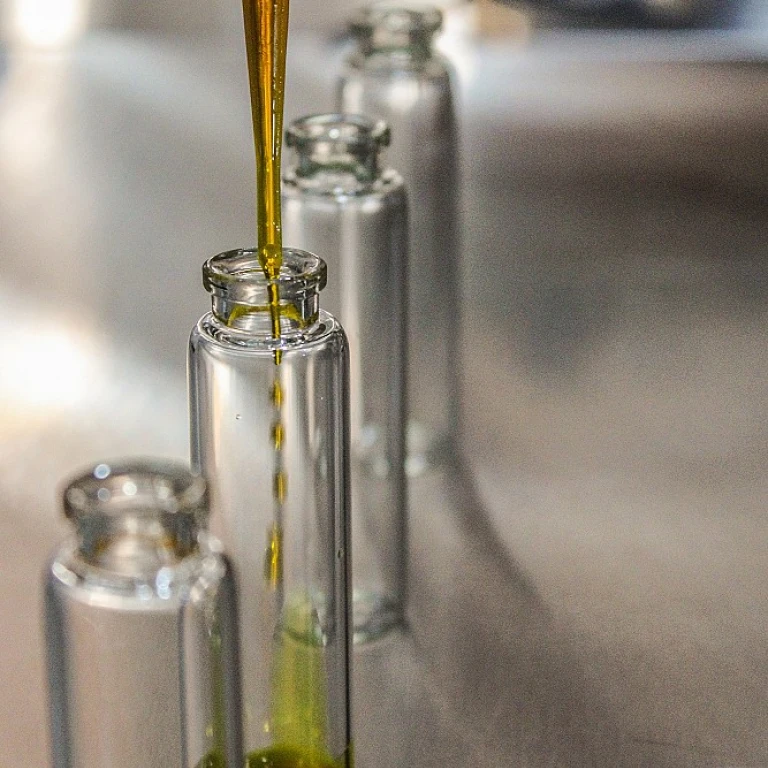

The intimate appeal of smoke wood perfume on skin
Smoke wood perfume speaks softly yet lingers with remarkable persistence. Its scent wraps the skin in a veil of smoke and woods that feels both intimate and quietly powerful. Many fragrances attempt drama, but this style prefers a slow burn and subtle glow.
At the heart of this character lies the interplay between smoky facets and textured wood notes. Perfumers often blend dry cedar, smooth sandalwood, and darker oak to create a wood smoke impression that feels atmospheric rather than harsh. When essential oils of guaiacwood or cade are used with restraint, they evoke charred wood and incense without overwhelming the wearer.
Vanilla and amber frequently soften the edges of a smoke wood perfume. A touch of burnt sugar nuance can transform a severe smoky accord into a gourmand whisper that feels almost edible. This contrast between fire and sweetness gives these scents a sensual tension that fragrance lovers find addictive.
On skin, the perfume evolves from sharper smoke to warmer woods and finally to a gentle trail of amber and vanilla. The drydown often reveals hidden notes that were not obvious in the opening, rewarding patient wearers who enjoy observing scents over several hours. For those who adore complex perfumes, this slow transformation is part of the essential appeal.
Because these fragrances can project strongly, stock levels for niche smoke wood perfume lines are often limited. Enthusiasts follow each new brand release closely and share detailed reviews to guide others. A single thoughtful review can shift community view and turn a quiet scent into a cult favorite.
From incense to gourmand smoke: how perfumers sculpt the accord
Perfumers approach smoke wood perfume as a balance between air and substance. The smoke must feel weightless yet still cling to the woods and amber beneath. Achieving this requires a careful blend of resins, woods, and sometimes gourmand notes that echo burnt sugar or caramelized vanilla.
Incense materials such as frankincense and myrrh provide a spiritual, meditative smoke. When combined with dry woods and a hint of oak, they create a churchlike atmosphere that many fragrances use to evoke reflection and calm. Essential oils of labdanum and benzoin then add warmth, shaping an amber base that feels resinous and enveloping.
Modern smoke wood perfume compositions often weave in gourmand elements. A measured dose of vanilla, tonka, or praline can suggest toasted sugar on charred wood, creating a contrast between comfort and danger. This style appeals to perfume lovers who enjoy scents that feel both edible and mysterious.
Brands carefully position these perfumes, often highlighting limited stock and artisanal methods to justify a higher regular price. Enthusiasts respond with detailed reviews that analyze each stage of the scent, from first smoke to final woods. These reviews help others form a clear view before committing to a full bottle.
For those exploring romantic, sensual options, a smoke wood perfume can sit alongside more classic choices. Articles on the allure of amour themed fragrances show how intimate scents can complement darker smoky perfumes in a wardrobe. Together, they illustrate how nuanced scents can express different moods without repeating the same olfactory story.
Why fragrance lovers are drawn to charred wood and amber warmth
People who adore fragrance often seek emotional resonance as much as beauty. Smoke wood perfume offers this through associations with fireplaces, incense rituals, and quiet evenings surrounded by woods. The combination of smoke, amber, and vanilla can feel like a memory made tangible.
Psychologically, smoky scents suggest both protection and mystery. A veil of wood smoke can feel like a sheltering cloak, while incense notes hint at hidden stories and private rituals. When perfumers add a gourmand touch of burnt sugar, the result becomes even more comforting, like a dessert enjoyed beside a crackling fire.
Many perfumes in this style use oak, cedar, and darker woods to ground the composition. These woods anchor the more volatile smoke notes, ensuring the scent lasts on skin and fabric. Essential oils from these materials contribute nuance, allowing the perfume to shift between dry, resinous, and slightly sweet facets.
Fragrance communities respond strongly to this category, filling forums with reviews and personal impressions. A single smoke wood perfume can generate dozens of review threads comparing its incense, amber, and woods balance. This collective view helps new enthusiasts understand how different brands interpret similar notes and scents.
Collectors often pair their smoky fragrances with brighter perfumes to create contrast in a wardrobe. Articles such as the one on the allure of sparkling, jewel like scents show how light, crystalline perfumes can sit beside darker wood smoke creations. Together, they allow wearers to move from daytime radiance to evening embers with effortless elegance.
Evaluating smoke wood perfume: reading reviews with a critical eye
For devoted fragrance lovers, reading reviews is almost as enjoyable as wearing perfumes. Smoke wood perfume in particular inspires passionate review writing, because its smoke, woods, and amber facets can vary dramatically between brands. Learning to interpret these reviews helps buyers navigate limited stock and higher regular price points.
First, pay attention to how reviewers describe the opening versus the drydown. Some scents start with intense smoke and incense before softening into vanilla and amber, while others emphasize woods and essential oils from the beginning. A balanced view will mention both stages, giving a clearer sense of the perfume’s full evolution.
Second, note how often terms like wood smoke, charred wood, and burnt sugar appear. Frequent references to these notes suggest a more dramatic, gourmand leaning composition, while mentions of dry woods and subtle amber indicate a quieter style. Comparing multiple reviews allows you to triangulate where a scent might sit on this spectrum.
Third, consider the reviewer’s broader relationship with fragrances. Someone who loves heavy incense and smoky scents may find a particular perfume soft, while another person experiences the same scent as overwhelming. Looking at their view of other perfumes in their wardrobe can help you calibrate their impressions against your own preferences.
Finally, remember that stock levels and hype can influence perception. When a smoke wood perfume is scarce, some reviews may focus more on exclusivity and brand image than on actual notes. Balanced commentary, such as that found in in depth articles on oriental style men’s fragrances, can provide a more grounded framework for evaluating any smoky, wood based scent.
Building a wardrobe of smoky woods and gourmand embers
Creating a personal wardrobe of smoke wood perfume requires intention and patience. Rather than collecting similar scents, aim for variety in how smoke, woods, and amber are expressed. This approach ensures each perfume offers a distinct mood and context.
Start with a versatile, balanced scent where smoke, vanilla, and woods share equal space. Such a perfume can move from office to evening without feeling intrusive, especially when the incense and wood smoke facets remain soft. Reviews often praise these all rounders for their adaptability and gentle yet persistent scent trail.
Next, consider a more intense, charred wood focused fragrance for colder months. Here, burnt sugar and gourmand nuances can play a stronger role, wrapping the amber base in edible warmth. Essential oils with smoky profiles deepen the effect, creating perfumes that feel like a cashmere blanket infused with fireplace embers.
Then, add a more meditative incense perfume that emphasizes resins over sweetness. This style leans on frankincense, myrrh, and dry woods, offering a contemplative alternative to gourmand scents. Many fragrance lovers reserve these perfumes for quiet evenings, reading, or solitary walks.
Finally, include at least one experimental brand interpretation that pushes boundaries. It might pair oak and woods with unexpected notes, or contrast heavy smoke with airy florals. Reviews of such perfumes can be polarizing, but they often become the most talked about scents in any collection.
Caring for smoky fragrances and navigating price, stock, and authenticity
Once you have invested in a smoke wood perfume, proper care preserves its character. Store bottles away from light and heat, because essential oils, amber bases, and delicate vanilla notes can degrade over time. A cool, dark cupboard helps maintain the integrity of smoke, woods, and incense accords.
Price and stock considerations are particularly important in this niche. Many brands release limited quantities, which can drive up the regular price on secondary markets. Reading multiple reviews and forming a clear view of the scent’s notes and performance helps ensure that any investment feels justified.
When evaluating authenticity, pay attention to packaging details and batch information. Reputable retailers provide transparent information about perfumes, including storage conditions and current stock levels. This is especially crucial for smoky fragrances, where a poorly stored bottle may lose its wood smoke vibrancy and gourmand depth.
Layering can also extend the life and versatility of your collection. A softer vanilla or amber perfume can temper an overly smoky scent, while a dry woods fragrance can add structure to a sweeter gourmand. Through experimentation, fragrance lovers create personalized scents that feel more intimate than any single bottle.
Finally, remember that your own experience matters more than any review or brand narrative. Smoke wood perfume is ultimately about how smoke, charred wood, amber, and burnt sugar resonate with your memories and desires. Trust your nose, respect your budget, and let your scents evolve with you over time.
Questions people also ask about smoke wood perfume
Is smoke wood perfume suitable for everyday wear ?
Many smoke wood perfume compositions are suitable for daily use, especially those where smoke and woods are balanced by softer amber and vanilla. Choosing a scent with moderate projection and fewer intense incense notes helps maintain office friendly elegance. Testing on skin before purchase remains essential, because smoky scents can feel stronger in warm climates or crowded spaces.
How long does a smoky wood scent typically last on skin ?
Smoke wood perfume often has strong longevity because of its resinous amber bases and dense woods. On average, such scents can last from six to ten hours, with the smoke gradually softening into warmer vanilla and wood notes. Factors like skin type, climate, and application method can extend or shorten this duration.
Can smoke wood perfume be layered with other fragrances ?
Layering smoke wood perfume with complementary scents can create beautiful custom accords. Pairing it with a simple vanilla or amber perfume emphasizes gourmand facets, while adding a dry woods fragrance highlights structure and depth. Always test combinations on a small area first, because too many incense or smoke notes together can become overwhelming.
What is the difference between smoky and woody fragrances ?
Smoky fragrances emphasize accords that evoke burning materials, incense, or wood smoke. Woody fragrances focus more on the natural smell of woods such as cedar, sandalwood, or oak, without necessarily suggesting fire. A smoke wood perfume sits between these categories, blending smoke and woods to create a nuanced, atmospheric scent.
Are smoky gourmand perfumes suitable for warmer climates ?
Smoky gourmand perfumes with strong burnt sugar and vanilla notes can feel heavy in high heat. However, lighter formulations with more airy woods and less dense amber can work in the evening or in air conditioned spaces. Applying sparingly and focusing on pulse points helps maintain elegance without overwhelming those nearby.
Trustful expert sources :
- Fragrantica – Online fragrance encyclopedia and community database.
- Basenotes – Fragrance reviews, brand histories, and community discussions.
- IFRA (International Fragrance Association) – Standards and guidelines for perfume materials and safety.