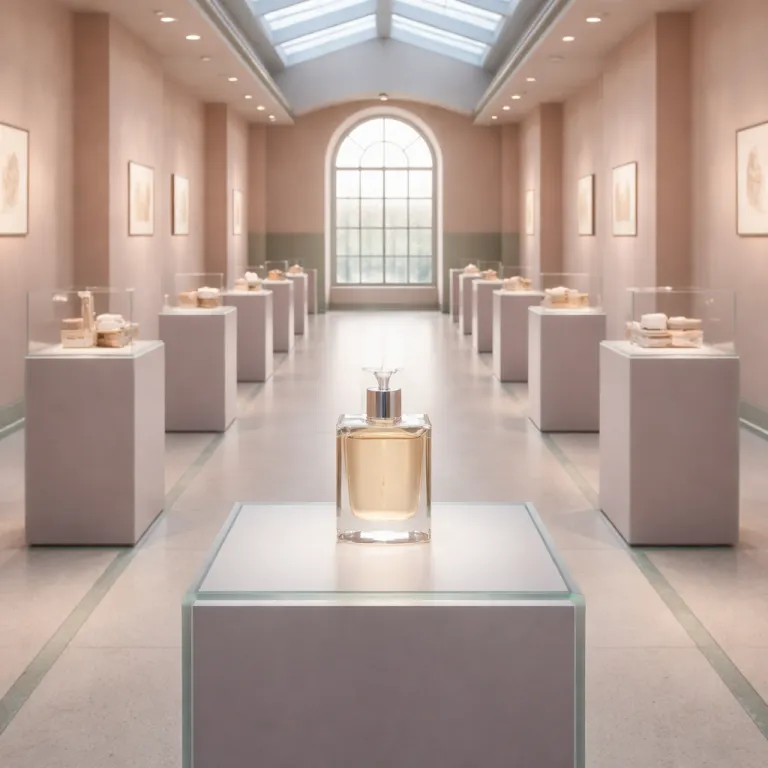
How Chanel No. 5 history begins at rue Cambon
Chanel No. 5 history starts not in a lab, but at rue Cambon in Paris, where a young Mademoiselle Chanel was already dismantling the old rules of fashion. She asked for a perfume that smelled like an abstract fragrance of a woman, not a garden, and this brief to perfumer Ernest Beaux created a rupture with the soliflore perfumes that dominated the market at the time. When you read the surviving accounts of that meeting, including later interviews with Beaux and archival notes held by the Chanel heritage department, you sense that both the couturière and the perfumer understood they were gambling everything on a new kind of scent that might easily have failed with conservative customers. For readers interested in primary material, Beaux’s comments on his inspirations are discussed in perfumery histories such as Michael Edwards’ reference guides and in industry journals that quote his postwar interviews.
Beaux had served near the Arctic Circle during the war, and he later spoke of the icy air and frozen lakes that inspired his use of aldehydes in this famous perfume. These aliphatic aldehydes, especially the C11 and C12 materials described in classic perfumery manuals such as Steffen Arctander’s Perfume and Flavor Chemicals, gave the Chanel perfume an almost metallic, "snow on fur" effect that no natural ingredient could match, and they pushed the floral heart away from literal flowers into something abstract, united and seamless. For readers who want to go deeper into aldehydic structures and their role in great perfumes, a technical book on fragrance chemistry or a standard textbook on aroma molecules will explain how these compounds lift the top notes and extend the life of the scent over long times on skin.
Underneath that shimmering aldehydic halo sits a classic French floral framework built on May rose and jasmine from Grasse, with ylang ylang, iris, sandalwood, vetiver and amber giving the content of the base its creamy, slightly shadowed depth. Ernest Beaux and his équipe anchored the formula in the best raw materials of the beaux arts tradition of perfumery, then distorted them with an overdose of aldehydes, creating a story Chanel could tell about modernity without abandoning luxury. To understand Chanel No. 5 history properly, you need to read full formula notes where possible, because they show how a seemingly simple Chanel eau hides a complex architecture that still shapes how perfumers think about structure today.

The secret Chanel of aldehydes and the Grasse supply chain
What made this fragrance feel so radical to early customers in the 1920s was not only the aldehydes, but the way they blurred individual notes into a single, united scent impression. In a market dominated by perfumes that smelled clearly of violet, rose or carnation, the new Chanel perfumes offered an abstract, almost cubist bouquet where no single flower could be easily named, and this abstraction aligned perfectly with the clean lines of Coco Chanel tailoring. When you read a serious analysis of Chanel No. 5 history in scholarly perfume histories or biographies of Chanel, you realise that this abstraction was the real secret Chanel innovation, more than any marketing story about lucky numbers or chance.
Behind the bottle, Chanel built a supply chain in the south of France that still shapes the story today, especially around May rose and jasmine grown near Grasse. The maison invested in fields and long term contracts so that perfumer Ernest Beaux and later noses could rely on consistent quality, and this agricultural commitment means the fragrance is not just a fashion object but a rural economic force in the historic perfume region of Grasse and its surrounding villages. If you are curious about how such sourcing compares with other classic eaux, a detailed article on the allure of perfume colonia as a fragrant journey can help you read the broader landscape of European perfume production.
Over the decades, regulatory changes and IFRA guidelines have quietly reshaped the formula, especially around oakmoss and certain musks that once gave the base its shadowy, animalic warmth. These reformulations mean that the Chanel eau parfum you buy today is not identical to the early extrait, yet the brand has worked to preserve the overall story Chanel tells on skin, keeping the aldehydic sparkle and creamy floral heart intact. For connoisseurs tracking Chanel No. 5 history across times and concentrations, smelling vintage and modern bottles side by side is the only honest way to read how the scent has evolved without losing its identity as perhaps the most famous perfume in the world.
From rue Cambon to Place Vendôme and the rise of a famous perfume
The bottle design of Chanel No. 5 is as much a part of its history as the juice, with its clean lines often compared to the geometry of Place Vendôme in Paris. Early versions of the bottle in the 1920s and 1930s were slightly different in proportion, but the essential idea of a clear, rectilinear flacon with a simple label stood in stark contrast to the ornate, curving bottles that dominated perfume counters at the time. This restraint in bottle design mirrored Coco Chanel approach to fashion, where she stripped away excess decoration to let line and proportion speak, and that visual minimalism helped the fragrance read as modern long before the word became a cliché.
As the fragrance crossed the Atlantic to the United States, it began to appear in department stores and on the vanities of actresses, gradually becoming a star in its own right. Chanel No. 5 history in the United States is tightly linked to post war prosperity and the rise of mass media, with magazines and newspapers such as the New York Times Style section helping to frame Chanel perfume as the ultimate symbol of Parisian chic for American customers. When you read full archival advertisements preserved in fashion libraries and museum collections, you see how the content of those campaigns positioned the scent as both accessible and aspirational, a bridge between everyday life and the rarefied world of haute couture.
Modern readers sometimes meet the fragrance first through cultural references rather than through the eau itself, encountering it in a book about fashion history or in essays that analyse its role as a famous perfume icon. One such work, by author Tilar Mazzeo, explores the wider story Chanel built around the scent, from wartime intrigue to post war marketing, and this kind of narrative helps fragrance lovers understand how a single bottle can carry so much cultural weight. If you enjoy narrative driven explorations of iconic scents, an article unveiling the allure of Aphrodite perfume offers another way to read how mythology and marketing intertwine in the wider perfume landscape.
Marilyn Monroe, pop art, and the making of a cultural star
Chanel No. 5 history cannot be separated from the image of Marilyn Monroe, who famously answered a journalist by saying she wore only a few drops of the perfume to bed. That single remark, recorded in 1950s interviews and later quoted in Chanel’s own communications, turned the fragrance into a star of intimate fantasy, and it showed how a simple eau could become shorthand for sensuality in the popular imagination without any explicit advertising claim. When fragrance lovers read that quote today, they often go back to the bottle to test whether the scent still carries that whisper of skin, soap and warmth that Monroe implied.
Later, artists like Andy Warhol transformed the bottle design into a pop art icon, repeating its outline in bright colours and treating the Chanel perfumes range as cultural objects rather than mere beauty products. These images, along with lavish film advertisements featuring actresses such as Nicole Kidman, helped cement the story Chanel wanted to tell about timeless glamour, even as the actual formula was being tweaked quietly behind the scenes to meet new safety standards. For anyone tracing Chanel No. 5 history through visual culture, the way the bottle appears in galleries, magazines and films is as revealing as any technical breakdown of aldehydes or jasmine absolutes.
Media coverage from outlets like the New York Times has often framed the fragrance as a barometer of changing tastes, asking whether younger customers still respond to its aldehydic opening in an era of sweet gourmands. Some critics have argued that the scent feels dated, while others insist that its abstract structure remains a masterclass in balance, and this debate itself shows how deeply the perfume is woven into our collective sense of what a great fragrance should be. When you read full critical essays rather than quick reviews, you see that even those who claim the perfume has failed to seduce them still treat it as a reference point, a standard against which other scents are measured.
How to smell Chanel No. 5 today and what it teaches us
For a reader who adores fragrance, the most practical question in Chanel No. 5 history is which version to smell first, because each concentration tells a slightly different story. The extrait de parfum, often simply called the perfume, offers the closest link to perfumer Ernest Beaux original intent, with a dense, plush base and a more intimate projection that rewards slow, attentive wear on the wrist. By contrast, the eau de toilette and the more recent Chanel eau formulations emphasise brightness and lift, letting the aldehydes and citrus sparkle more clearly in the opening minutes.
The eau parfum concentration, which many customers encounter at counters today, sits between these poles, offering a balanced view of the floral heart and the creamy sandalwood base while still feeling modern enough for daily wear. Flankers like Eau Première and L’Eau were created to appeal to a younger audience that might find the original structure too formal, softening the aldehydes and amplifying fresher notes, and they show how Chanel perfumes adapt without abandoning the core DNA. If you are comparing these options and other classics, a curated guide to top eau de parfum choices can help you read how concentration and composition interact across different houses.
For collectors who read formula changes like historians read archives, the quiet reformulations around oakmoss and musk ambrette raise questions about authenticity, yet they also highlight a deeper truth about perfume. A great fragrance is not just a list of materials, but a point of view, and Chanel No. 5 history demonstrates how a clear aesthetic stance can survive regulatory shifts, changing fashions and new competitors. When you stand at a counter, bottle in hand, and let the scent unfold over times on your skin, you are not only smelling aldehydes and jasmine, but the enduring idea that a woman’s perfume can be as modern, abstract and uncompromising as the clothes she chooses to wear.
FAQ about Chanel No. 5 history and wearing it today
Why is Chanel No. 5 considered a turning point in perfume history ?
Chanel No. 5 is seen as a turning point because perfumer Ernest Beaux used an unprecedented dose of aliphatic aldehydes to create an abstract, "snow on fur" effect that no natural material could replicate. This broke with the tradition of soliflore perfumes that smelled clearly of one flower, offering instead a united, faceted fragrance that felt modern and urban. The combination of this technical innovation with Coco Chanel minimalist fashion vision made the scent a template for many later aldehydic florals.
Which version of Chanel No. 5 is closest to the original scent ?
The extrait de parfum is generally considered the closest to the early formula, because it preserves the dense floral heart and rich sandalwood, vetiver and amber base in a more concentrated form. The eau de toilette and eau parfum reinterpret that structure with different balances of brightness, projection and longevity, reflecting both taste changes and regulatory shifts. Vintage bottles, when properly stored, can offer an even clearer view of earlier formulations, but they are increasingly rare and fragile.
How have regulations changed the formula over time ?
International Fragrance Association (IFRA) guidelines have restricted or limited materials such as oakmoss, certain musks and some potential allergens, forcing Chanel to adjust the formula while maintaining the overall character. These changes mainly affect the depth and texture of the base rather than the aldehydic opening or floral heart, which remain recognisably aligned with Chanel No. 5 history. Skilled reformulation aims to keep the scent’s structure and proportions intact, even when specific ingredients must be reduced or replaced.
Is Chanel No. 5 still relevant for modern fragrance lovers ?
For many contemporary perfume enthusiasts, Chanel No. 5 remains a reference point in understanding aldehydic florals and the evolution of luxury fragrance. While some find its structure more formal than current sweet or fruity trends, others appreciate its clarity, balance and unmistakable signature. Smelling it alongside newer launches helps train the nose to recognise how abstraction, proportion and high quality materials can create a timeless effect.
How should I wear Chanel No. 5 for the best experience ?
To appreciate the full development, apply lightly to pulse points such as wrists and the hollow of the neck, then give the fragrance time to move from the sparkling aldehydic top into the creamy floral heart and warm base. The extrait suits intimate evenings or quiet moments, while the eau de toilette and eau parfum work well for daytime wear, depending on your style and environment. Wearing it on clean, moisturised skin and avoiding heavy scented body products nearby will let the perfume’s own story unfold clearly.