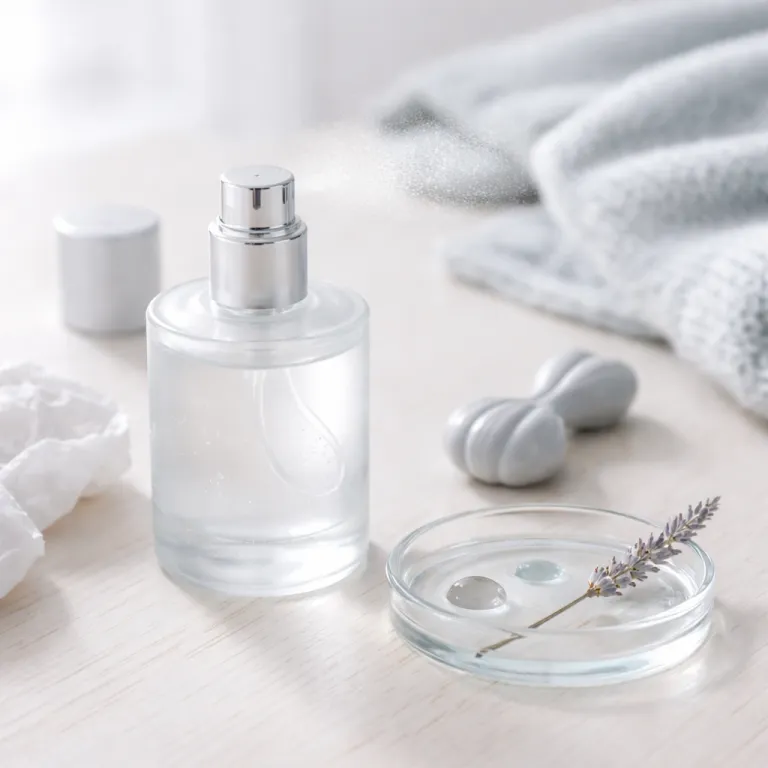
Fragrance mood neuroscience: how scent talks to your brain
Why your sense of smell goes straight to feeling
The fastest way to change your mood might be a scent. When you inhale a fragrance, the volatile molecules travel through the nose to the olfactory system, and this sensory highway bypasses the usual relay stations to reach deep brain areas linked to feeling and memory. That direct route explains why certain smells can shift emotional states in seconds and why the emerging neuroscience of fragrance and mood matters for anyone who loves perfume.
Unlike vision or hearing, the sense of smell connects straight to the limbic system, which includes the amygdala and hippocampus that govern emotional responses and memory formation. The olfactory bulb sits just above the nasal cavity and acts as a gatekeeper, sending information from smells into brain networks that regulate stress, sleep, and overall brain health. This powerful link between the olfactory system and the emotional brain means that scents are not just decoration; they are quiet, functional fragrances that interact with our nervous system.
Neuroscience research shows that this sensory system is uniquely placed to influence cognitive function and mood without conscious effort. When a scent reaches the olfactory bulb, it activates patterns in brain areas that process reward, threat, and autobiographical memories, which is why a single whiff can open a vivid scene from childhood. For example, work by Rachel Herz and other olfaction researchers, summarised in peer‑reviewed reviews on odor‑evoked memory, has shown that odor‑evoked memories are often more emotional and immersive than memories triggered by images or sounds, translating the raw power of smell into everyday emotional tools while still operating within modest, context‑dependent effect sizes.

Memory, madeleines, and the quiet power of scent
Every fragrance lover has a private madeleine moment, even if they have never read Proust. A particular smell in a stairwell, the scents of orange blossom in a courtyard, or the faint trace of a grandparent’s cologne can pull up memories with a clarity that feels almost intrusive. Neuroscience calls this odor‑evoked autobiographical memory, and it sits at the heart of how scent and mood intertwine.
When a fragrance reaches the olfactory system, it does not just register as pleasant or unpleasant; it tags itself to context, place, and emotional states. Over time, your brain builds a relationship with each scent, so that the same fragrance can later reopen memories of a summer romance, a hospital corridor, or a first job interview. Experimental studies using small samples often suggest that odor cues can retrieve older, more emotional memories than visual cues, which helps explain why the power of scent is double edged for mental health, because the same smell can reduce stress for one person and trigger anxiety for another, depending on the memories attached and the balance between olfactory and trigeminal stimulation.
Perfumers quietly exploit this brain–scent dynamic when they build compositions around familiar notes like vanilla, citrus, or lavender. A so‑called functional fragrance that leans on vanilla and tonka may echo childhood desserts, while a sharper citrus cologne can signal morning alertness and a fresh start. If you enjoy reading about sensual, gourmand notes, an article on a French vanilla cologne as a sensory journey for fragrance lovers can show how one raw material threads through both pleasure and memory in different fragrances, just as a guide on why perfume can cause headaches for fragrance lovers explores the less comfortable side of this sensitivity and the role of both olfactory and trigeminal pathways.
From aromatherapy myths to functional fragrances that respect the brain
Wellness marketing loves big promises, but your brain deserves more precision. Many claims around essential oils and functional fragrances suggest they can cure insomnia, erase stress, or treat depression, yet the actual neuroscience is more modest and more interesting. Research on fragrance and mood shows that scent can nudge emotional tone and aspects of cognitive function, but it does not replace therapy, medication, or medical care, and most published studies are short, small, and vulnerable to publication bias.
Studies on lavender, linalool, and some essential oils indicate gentle parasympathetic down‑regulation, which can support sleep preparation and reduce stress in certain contexts. For instance, randomized controlled trials of lavender oil capsules and inhaled lavender aroma in adults with mild sleep problems or situational anxiety often report small to moderate improvements in sleep quality and lower self‑reported anxiety scores (for example, mean reductions of a few points on standard scales in samples of roughly 30–80 participants). Citrus notes rich in limonene appear to increase alertness in brief cognitive tasks, while earthy materials like vetiver and patchouli are often linked to grounding emotional responses, although much of that evidence is anecdotal or based on short laboratory tasks with modest effect sizes. The overall picture from this science of scent is that functional fragrance can support brain health as part of a broader system of habits, not as a stand‑alone solution or a substitute for evidence‑based treatment.
Individual variability is huge, because each brain carries its own library of memories and emotional states attached to smells. A lavender functional fragrance might calm one person and irritate another whose sense of smell associates it with a stressful hospital stay. If you are sensitive to strong scents or experience headaches, a clear guide on why perfume can cause headaches for fragrance lovers can help you understand how the olfactory bulb, trigeminal nerve, and certain ingredients interact with your nervous system, and how a small, intentional fragrance wardrobe can reduce overload while respecting your own thresholds and limitations.
Three everyday rituals that use fragrance mood neuroscience
Think of fragrance as a soft switch for the nervous system rather than a magic wand. A morning scent can act as a transition ritual, telling your brain that sleep is over and cognitive function needs to sharpen for the day ahead. Choose fragrances with bright citrus, aromatic herbs, or green notes, because these smells often signal daylight, movement, and alert emotional states to the limbic system.
An evening fragrance can do the opposite, gently signalling that work is done and stress can taper off. Here, functional fragrances built around lavender, iris, sandalwood, or soft musks can support a calmer scent mood, especially when paired with dimmer light and a slower pace. You are not medicating with perfume; you are giving your olfactory system a consistent cue that opens a window between daily activity and rest, which over time can help your brain areas link that smell to winding down and better sleep hygiene.
A travel scent is the third quiet tool, a portable home for your sense of smell. By wearing the same fragrance on every trip, you teach your brain and limbic system that this particular scent equals safety, routine, and continuity, even when the surroundings change. If you are building such a rotation, a guide to what a fragrance wardrobe looks like at home can help you think beyond one signature fragrance and toward a small, intentional set of scents that each serve a functional role for mood and mental health.
A small two week practice to train your scent mood link
To feel fragrance mood neuroscience in your own body, you need repetition, not more bottles. Choose one functional fragrance or simple essential oil blend, ideally with a clear, single dominant note like lavender, neroli, or vetiver. Commit to wearing this same scent at the same time every day for two weeks, keeping the rest of your fragrances for other moments.
During this period, pay attention to how your brain and body respond before, during, and after you smell it. Notice whether the scent shifts your emotional states, whether it helps reduce stress, or whether it sharpens or softens your cognitive function at that chosen time. You are training your olfactory bulb and limbic system to build a powerful link between that smell and a specific mood, using the natural wiring of the olfactory system rather than forcing any outcome or assuming a guaranteed therapeutic effect.
At the end of the two weeks, briefly journal about the memories, emotional responses, and physical sensations that now cluster around that fragrance. You may find that the same scent now acts as a reliable cue for focus, rest, or reflection, depending on how you used it. The point is not to medicate with perfume; it is to use a sense we mostly ignore and let the quiet science of scent open a window into how your own brain areas, memories, and emotional life intertwine with the fragrances you love, while staying mindful of your limits and any uncomfortable reactions.
FAQ
How does fragrance actually affect the brain and mood ?
When you inhale a scent, odor molecules reach the olfactory bulb, which sends signals directly to limbic system structures involved in emotion and memory. This bypass of the usual sensory relay means smells can influence mood, stress levels, and even aspects of cognitive function faster than visual or auditory cues. The effect is subtle rather than medicinal, but consistent use of certain fragrances can create strong learned associations that support desired emotional states without acting as a stand‑alone treatment.
Can perfume really help reduce stress or improve sleep ?
Certain notes such as lavender, chamomile, and some woods have been linked in research to mild relaxation and parasympathetic activation. When used as part of a regular evening ritual, these scents can signal to the brain that it is time to unwind, which indirectly supports better sleep and lower perceived stress. However, perfume and essential oils should be seen as supportive tools within a broader routine, not as treatments for clinical anxiety or insomnia, and current randomized trials are generally small and short term.
What is the difference between a functional fragrance and a regular perfume ?
A functional fragrance is designed with an explicit goal, such as promoting calm, focus, or alertness, often drawing on findings from neuroscience and psychology. Regular perfumes may still influence mood and emotional responses, but their primary aim is aesthetic pleasure and olfactory character rather than a specific functional outcome. In practice, the line can blur, because any fragrance can become functional if you use it consistently as a cue for a particular state or activity.
Why do some smells trigger such strong memories ?
Smells trigger intense memories because the olfactory system connects directly to the hippocampus and amygdala, which handle memory consolidation and emotional tagging. When you experience an event, the scent in the air is stored alongside visual and auditory details, often with a strong emotional charge. Later, encountering the same smell can reactivate that network, bringing back vivid memories and feelings in a way that feels immediate and sometimes overwhelming, as described in experimental work on odor‑evoked autobiographical memory.
How should a beginner build a small fragrance wardrobe for wellbeing ?
A practical approach is to choose three scents with clear roles: one bright, energising fragrance for mornings, one soft, comforting option for evenings, and one stable, familiar scent for travel or stressful days. Focus on how each perfume makes your body and mind feel rather than on brand stories or trends. Over time, you can refine this wardrobe by noticing which fragrances reliably support your mood, stress management, and sense of groundedness in daily life, while staying aware that what soothes one person may overstimulate another.