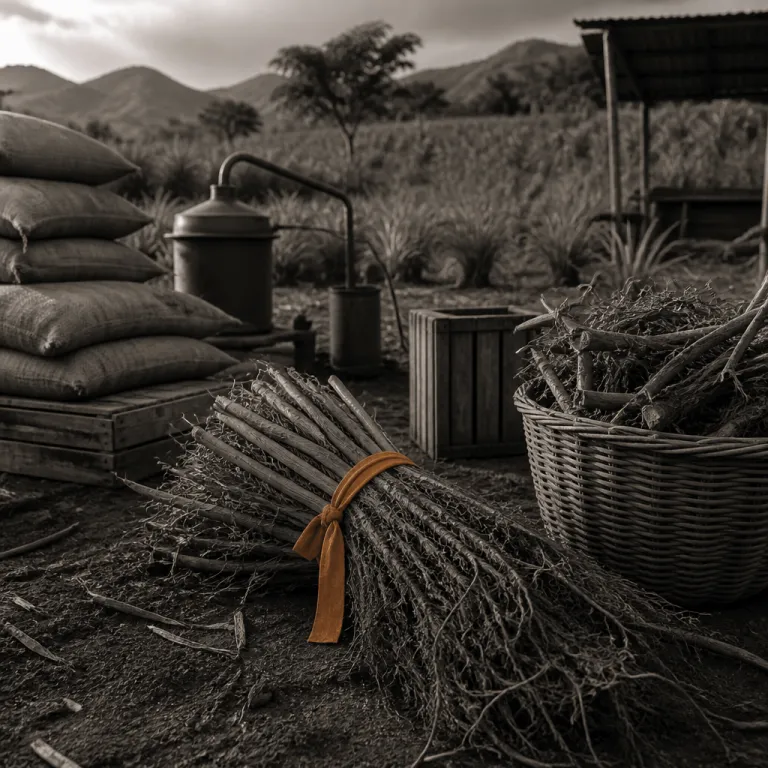
Why vetiver from Haiti smells like the earth’s own bass note
Vetiver from Haiti is the quiet bass line of modern perfumery. Its fragrance profile is woody and woody earthy, with smoky facets, bitter grapefruit peel, and a cool, damp impression that recalls freshly turned soil after rain. When perfumers speak about vetiver essential materials, they often mean haitian vetiver specifically, because this single plant can give both a sharp green top and a long, leathery drydown.
On skin, a high dose of vetiver oil from Haiti can feel almost mineral, as if the vetiver roots had pulled metallic nuances straight from the soil and locked them into the essential oil. In classic French chypres, vetiver root sits beside oakmoss and patchouli, anchoring volatile floral notes and keeping the whole structure from floating away. That same woody backbone now underpins clean vetiver products in niche perfumery, where the industry leans into the plant’s smoky transparency rather than its inky darkness.
Perfumers reach for vetiver essential oils when they need structure without heaviness and dryness without dust. A few drops of vetiver oil haiti in a formula can turn a sweet citrus cologne into something tailored, adult, and quietly serious. This is why the fragrance industry treats vetiver haiti as non negotiable raw materials, even as debates around vetiver perfume haiti sourcing grow louder among brands and collectors.
From Les Cayes to the lab: how haitian vetiver actually reaches your bottle
The story of haiti vetiver begins in the south, far from Port au Prince and its crowded port, on steep hillsides where vetiver cultivation clings to fragile soil. Farmers plant the vetiver roots in tight rows, using the dense vetiver root system to hold back soil erosion while they wait for the plant to mature. Those roots need at least twelve months in the soil, often closer to eighteen, before they contain enough essential oil to interest the fragrance industry.
Once harvested, the tangled vetiver roots are washed, chopped, and loaded into stills, where steam teases out the essential oil that perfumery prizes. The first fractions of vetiver oil haiti can smell harsh and smoky, but careful distillation and patient aging transform them into the highest quality woody earthy material that niche houses demand. This is where vetiver perfume haiti sourcing becomes technical, because distillers must balance yield, fuel costs in usd, and the expectations of international buyers who scrutinize every batch.
In export labs, samples of haitian vetiver essential oil are checked against IFRA and SDS IFRA documentation, ensuring that the materials comply with global safety standards before they leave Haiti. The oil travels in drums, often through Port au Prince, then on to Grasse, New York, or Dubai, where perfumers dilute it into concentrate and finally into finished fragrance products. Between the hillside plant and the polished bottle, vetiver haiti passes through farmers, middlemen, exporters, and evaluators, each adding a small margin to the final price in USD that you never see on the label, yet that defines the economics of this root.
The fragile math of vetiver cultivation for haitian farmers
For local farmers, vetiver cultivation is both lifeline and gamble, because the plant resists drought yet ties them to a volatile global market. A family may dedicate most of its soil to vetiver roots, knowing that other crops cannot survive the same slopes or protect against soil erosion as effectively. When international demand for vetiver essential oils rises, the price in USD can lift entire communities, but when it falls, those same farmers are left with raw materials that cannot be eaten.
Most smallholders sell fresh vetiver roots to local intermediaries, who then negotiate the price with distillers and exporters who understand the fragrance industry far better. This asymmetry means that the final vetiver oil price USD you see referenced in trade reports rarely reflects what the farmer actually receives at the farm gate. In some regions of Haiti, farmers have organized into cooperatives to negotiate better terms for their essential oil haiti output, yet bargaining power remains limited when only a few buyers control access to international markets.
Fair trade and direct sourcing initiatives aim to rebalance this equation by linking brands more closely to the communities that grow haitian vetiver. Some maisons commit to multi year contracts for vetiver oil haiti, guaranteeing a minimum price in USD and supporting projects that improve soil health, water access, or alternative crops alongside the vetiver plant. For fragrance lovers, understanding this fragile math turns vetiver perfume haiti sourcing from an abstract sustainability claim into a concrete question about whose risk, and whose reward, is embedded in that woody base note.
Ethical sourcing, IFRA files, and the new transparency around vetiver
As sustainability claims proliferate, vetiver perfume haiti sourcing has become a test case for how honest the fragrance industry wants to be. Brands now reference IFRA compliance, SDS IFRA documentation, and traceable raw materials in their storytelling, yet these technical terms rarely explain how much of the final price in USD reaches the people who plant and harvest the vetiver root. Ingredient transparency can illuminate the path from soil to bottle, but it can also become another layer of marketing gloss if not backed by verifiable change.
Some houses publish detailed breakdowns of their vetiver haiti supply chains, naming specific regions, cooperatives, or distillers and describing how they address soil erosion, fuel use, and working conditions. Others work with third party auditors who evaluate essential oil haiti production against social and environmental criteria, then certify the resulting products as more responsible choices for the fragrance connoisseur. These efforts intersect with broader debates about creative freedom and regulation, as seen in discussions about how ingredient transparency can constrain perfumers when safety rules tighten around natural materials.
For collectors, the practical question is how to read between the lines when a bottle touts haitian vetiver or highest quality vetiver essential as a virtue. Look for brands that explain their vetiver cultivation partnerships in concrete terms, rather than vague references to local farmers or sustainable materials. When a maison shares specific commitments around vetiver oil price USD floors, replanting programs, or diversified crops, you are more likely to be smelling a fragrance whose woody earthy beauty is matched by a more balanced economic story.
How haitian vetiver shapes styles from chypres to clean woods
On the skin of a fragrance lover, haitian vetiver behaves like a shape shifter, adapting to different traditions while keeping its woody core. In French chypres, vetiver roots weave through moss, labdanum, and patchouli, creating a shadowed forest effect that feels both tailored and slightly wild. Many modern perfumers pair vetiver oil with citrus and ginger to create clean vetiver products that feel like pressed linen rather than damp earth, yet the same essential oil can lean smoky and leathery in darker compositions.
In Indian attars, distilled vetiver root, often called khus, is blended with sandalwood oil to create cooling, meditative essential oils worn directly on the skin. These attars highlight the grassy, almost cucumber like facets of the plant, a contrast to the more bitter grapefruit nuance that haitian vetiver shows in Western perfumery. Contemporary niche houses experiment with overdoses of vetiver essential, sometimes pairing it with unexpected raw materials like cocoa or incense to push the note into new emotional registers.
For a collector navigating this landscape, understanding vetiver perfume haiti sourcing adds another layer of appreciation beyond style and sillage. A bottle built around vetiver haiti may carry the brightness of coastal breezes or the density of sun baked soil, depending on how the distiller handled the roots and how long the essential oil aged. When you compare these scents side by side, you are not only choosing between woody profiles, but between different interpretations of a plant whose journey from hillside to bottle is as complex as its smell.
FAQ
Why does so much vetiver used in perfumery come from Haiti ?
Haiti offers an ideal combination of climate, altitude, and sloping terrain that suits the vetiver plant and its deep roots. The challenging soil conditions encourage dense vetiver roots, which in turn yield a concentrated essential oil with a prized woody earthy profile. Over time, this has made haitian vetiver the reference quality for many perfumers, who rely on its consistent character for both niche and mainstream fragrance products.
How does vetiver cultivation help or harm the environment in Haiti ?
Vetiver cultivation can protect against soil erosion because the vetiver root system forms a living barrier that stabilizes slopes and retains water. When managed carefully, vetiver haiti fields can coexist with food crops and contribute to healthier soil over the long term. Problems arise when economic pressure pushes farmers to plant only vetiver, reducing biodiversity and increasing dependence on a single essential oil market.
What should I look for if I care about ethical vetiver perfume haiti sourcing ?
Ethical sourcing claims around haitian vetiver are more convincing when brands share specific details about their partnerships with local farmers and distillers. Look for information on long term contracts, minimum price in USD guarantees, and programs that address soil health or alternative crops alongside vetiver cultivation. Vague references to sustainable materials without concrete commitments tell you little about how value is shared along the vetiver oil haiti supply chain.
Does haitian vetiver smell different from vetiver grown elsewhere ?
Haitian vetiver typically smells drier, smokier, and more woody earthy than vetiver from regions such as Java, which can lean more rubbery or earthy sweet. The specific soil, climate, and distillation practices in Haiti shape the essential oil profile, giving it a crisp, slightly bitter grapefruit nuance that many perfumers prize. When you compare fragrances side by side, compositions built on haitian vetiver often feel more tailored and mineral, while others may feel softer or more gourmand.
Why can vetiver based fragrances vary so much in price ?
The price of vetiver based fragrances reflects not only the cost of vetiver oil in USD, but also how much of that oil is used, how it was sourced, and what other raw materials accompany it. High concentrations of highest quality haitian vetiver essential oil, especially from traceable projects with better farmer compensation, naturally raise the final price. More affordable scents may use smaller amounts of vetiver haiti, blends of different origins, or supporting woody materials to evoke the note without relying on large doses of the essential oil.